Should you replace your windows first or fix your roof? What if the bathroom remodel is already scheduled? Feeling buried by home improvement projects? Between your roof, HVAC, siding, and yes, your windows, it’s hard to know where to start. If you’re like most Pittsburgh homeowners we talk to, the list just keeps growing… and growing.
At Energy Swing, we get it. That’s why this guide will help you prioritize smartly, avoid costly rework, and plan upgrades that fit your timeline, safety, and budget without the stress.
Whether you’re in Mt. Lebanon, Monroeville, Greensburg, or anywhere around the Pittsburgh region, the principles here apply to almost every multi-project home.
Table of Contents
- Should Windows Be Your First Priority?
- When to Replace Windows ASAP (and When You Can Wait)
- What Projects Should Happen Before or After Window Replacement?
- Why Getting a Quote Early is Always Worth It
- How Windows Fit into a Multi-Project Budget
- Phasing Window Replacement: A Smart Long-Term Strategy
- Real Homeowner Lessons You Can Learn From
- What to Do Next (Even If You're Still Deciding)

How Do You Know When Windows Should Come First (Or Wait?)
Before deciding where windows fall on your priority list, it helps to understand how they interact with other major home projects. Some upgrades depend on windows being done first. Others can wait without hurting your home, budget, or safety.
When Windows Are Urgent
You may want to move windows toward the top of your list if you’re dealing with:
1. Major Energy Loss or Comfort Problems
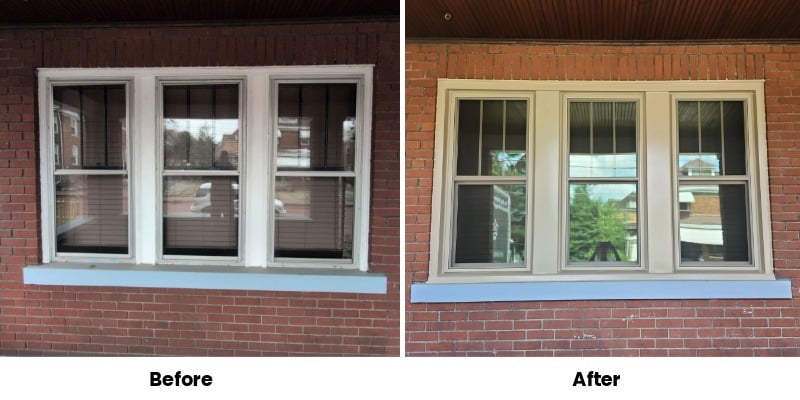 Single-pane or aging double-pane windows (especially those without Low-E glass) can leak 25–30% of your home’s heating and cooling energy. In Pittsburgh winters, that often shows up as:
-
Ice or frost forming on the inside of the window
-
Drafts you can feel when you walk by
-
Rising utility bills year after year
If your HVAC system is running constantly just to maintain temperature, new windows can actually extend its lifespan by reducing the workload.
2. Safety & Ventilation Concerns
Windows that don’t open aren’t just inconvenient; they’re a safety risk. If a second-floor window won’t operate during an emergency (like a fire), that becomes a serious hazard.
3. Water Leaks or Failing Caulking
Cracked exterior caulking, moisture intrusion, and rotted sills can lead to wall damage, mold, and even insect infestations. These issues usually can’t be postponed safely.
4. You’re Preparing to Sell Your Home
Buyers look closely at windows because of long-term utility costs. In Pittsburgh, homes with updated energy-efficient windows tend to attract higher offers and reduce inspection concerns.
According to the 2025 Cost vs Value Report by Zonda Media, vinyl windows recoup approximately 76% of their cost to the homeowner.
When Windows Can Wait
Not everything needs immediate replacement. If your windows are:
-
Less than 10–15 years old
-
Structurally sound
-
Operating well
-
Only showing cosmetic issues (like light fogging or outdated style)
…you may be able to hold off while you prioritize bigger issues like a leaking roof or major kitchen renovation.
In fact, light fogging can sometimes be handled with simple glass replacement rather than full window replacement. It’s a “band-aid” approach that buys you 3–5 more years at a fraction of the cost.
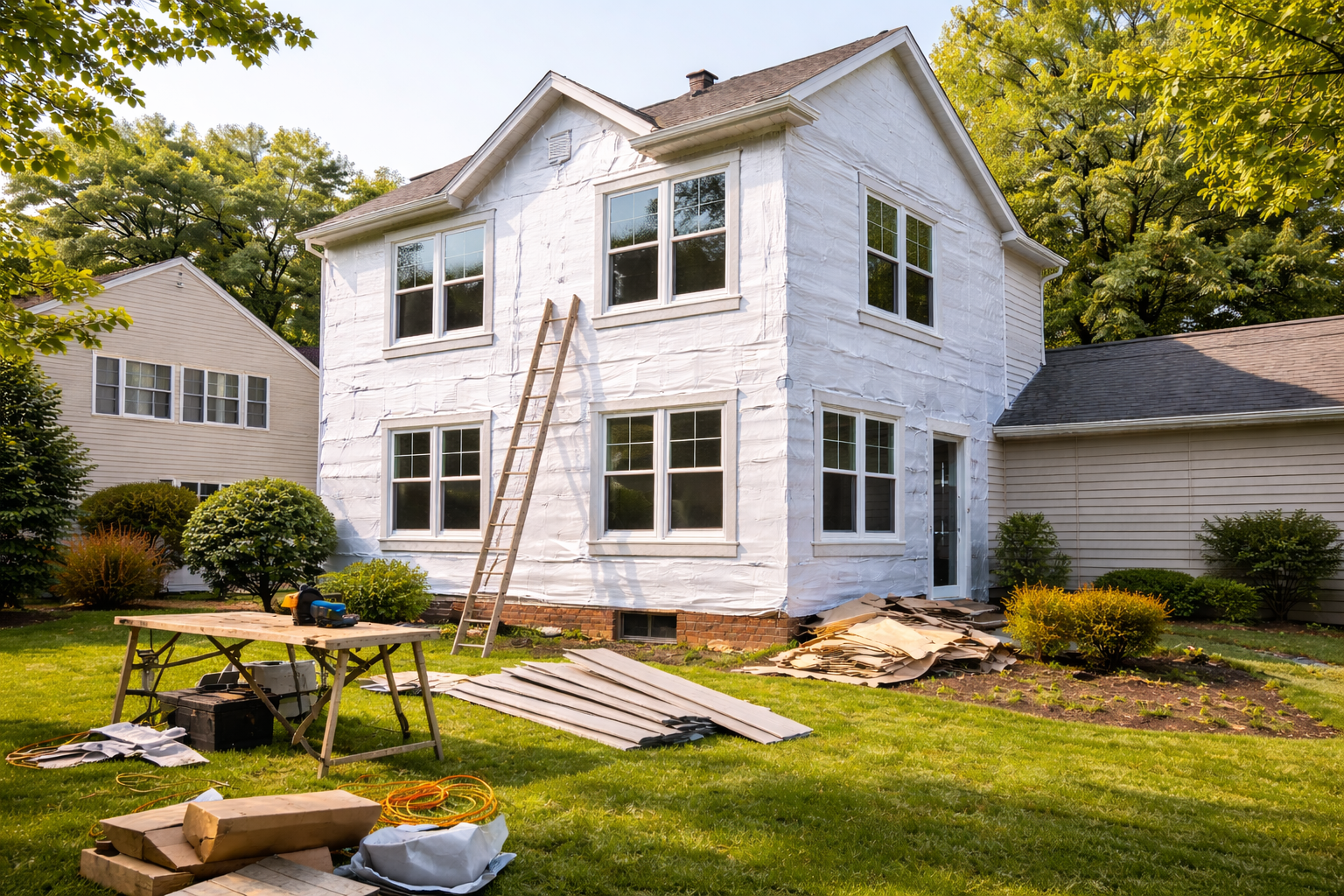
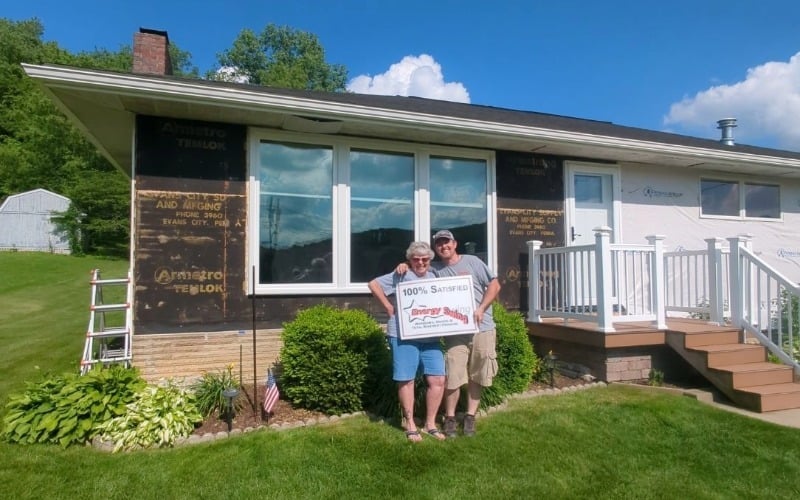 This Zelienople, PA homeowner waiting to have her new siding put on until after her new windows were installed.
Why Project Dependencies Matter (Windows Before Siding, For Example)
Some projects should be done in a specific order to avoid rework or extra costs.
Here are common scenarios:
| Project Pair | Best Order | Why It Matters |
|---|---|---|
| Windows + New Siding | Windows first | Allows proper sealing and ensures siding installers can flash the windows correctly, creating a clean, tight new-construction look. |
| Windows + Kitchen Remodel | Before cabinetry & finishes | New cabinetry shouldn’t surround outdated windows. Many homeowners realize too late that old windows throw off an otherwise updated kitchen. |
| Windows + Bathroom Remodel | Windows first | Prevents the need to remove fresh tile or drywall later if an older window fails. |
| Roof + Windows | Roof first (if leaking) | Active roof leaks should always be addressed before energy-efficiency upgrades like new windows. |
Broad rule of thumb:
If something is leaking or structurally failing, prioritize that first. If something affects aesthetics or comfort, it can be more flexible. Always consider the sequence to avoid rework.
Should You Get a Quote Even If You’re Not Ready to Buy? (Short Answer: Yes.)
Many Pittsburgh homeowners hesitate to get a quote because they “don’t want to waste anyone’s time” or feel like they need to be ready to purchase. But getting clear pricing early is one of the smartest things you can do, even if the project is years away.
Here’s why:
You’ll Build a Realistic Budget
Until you know whether your windows cost $6,000 or $20,000, it’s almost impossible to plan other projects or financing.
You’ll Know Which Windows Need Replaced First
Most homes have a mix of window ages, maybe five from the 1960s, five from the early 2000s, etc. And even more, one side of your home might experience more severe weather than the other sides. A good consultant should help you:
-
Identify which ones are urgent
-
Suggest what can wait
-
Offer cost-saving approaches (like phased installation)
You Can Lock in Pricing Before Increases
This surprises many homeowners: Construction material costs typically rise 4–7% per year, sometimes more. Several homeowners who waited told us they regretted not securing pricing earlier because replacements were significantly more expensive later.
You’ll Have More Time to Explore Financing Options
Longer-term, low-monthly-payment financing can make multi-project years much more manageable and often costs less over time than delaying window replacement for another decade while product and energy prices increase every year you wait.

If replacement windows is a serious project you’re considering for your home, schedule a consultation with one of Energy Swing’s window experts so you can plan smarter, not harder.
Budgeting Multiple Projects: How Windows Fit In
When you’re renovating several areas of your home, windows occupy a unique spot:
-
They can be done in stages (unlike roofs or kitchens)
-
They reduce long-term utility spending
-
They protect other renovations from moisture problems
Typical Project Cost Ranges (General Pittsburgh Area Estimates)
(These ranges vary widely by home size and materials, but are helpful for planning.)
| Project | Typical Range |
|---|---|
| Window replacement (per window) | $1,200–$2,500+ depending on material & size |
| Roof replacement | $12,000–$40,000+ |
| Full kitchen remodel | $25,000–$75,000+ |
| Bathroom remodel | $12,000–$35,000+ |
| HVAC replacement | $6,500–$12,000+ |
| Flooring installation | $3,000–$15,000+ |
These numbers help homeowners avoid sticker shock and understand where windows realistically fall within the bigger financial picture.
Phased Window Replacement: Your Secret Weapon
Some Pittsburgh homeowners replace:
-
4 windows per year (common strategy)
-
One side of the home at a time
-
Only windows in areas being remodeled
This keeps costs manageable while still making steady progress.
Avoid replacing only 1–2 windows at a time. Four or more is the ‘sweet spot’ for pricing and labor efficiency.
Is it better to replace all your windows at once—or take it step by step? Here’s what most homeowners wish they’d known before deciding.
What Other Homeowners Wish They’d Known
Real conversations from Pittsburgh homeowners reveal the same patterns again and again. Here are some of the common remarks our Client Consultants hear when revisiting homes for repeat customers.
“I wish I’d replaced the windows before doing the siding.”
Otherwise, the siding crew has to work around old frames, and you may miss the chance to fully seal and flash everything correctly.
“We delayed replacing windows, and later had to open drywall to fix a leak.”
Old caulking or failed seals can allow water into walls long before it’s visible.
“We didn’t realize prices would jump so much in just a few years.”
Many homeowners underestimate how quickly material and labor costs increase. Once time passes, the old quote is long gone.
Still Not Sure Where to Start? Let’s Make It Simple.
Prioritizing home projects, especially when windows are on the list, can feel overwhelming. But now you know what makes windows urgent, when they can wait, and how they fit into larger projects like siding, kitchens, and roofing.
Whether it’s rising energy bills, water damage risks, or trying to plan around a remodel, you’ve got a lot riding on making the right decision in the right order.
If you’re still unsure whether your windows should come first or where they fall in the mix, start with a consultation focused on planning, not pressure. We’ll help you sort your project list, identify what’s urgent, and show you how to phase work in a way that protects your home and budget.
At Energy Swing, we’ve guided hundreds of Pittsburgh homeowners through smart, phased home improvements without regret, rework, or wasted dollars. Let’s help you do the same.
Schedule your planning consultation to learn which of your windows should even be considered.

Frequently Asked Questions
1. Should I replace windows before siding?
Yes—windows should typically be replaced before siding. This allows for proper flashing, sealing, and integration with the new siding materials. If you do siding first, you may have to cut into it later, increasing the risk of leaks and added cost.
2. Can I replace just a few windows instead of all of them?
Absolutely. Many Pittsburgh homeowners replace windows in phases—by room, by side of the house, or by urgency. Just avoid replacing only 1–2 at a time, since you’ll miss out on volume discounts and could pay more in labor.
3. How do I know if my windows are causing energy loss?
Look for signs like cold drafts near windows, high energy bills, condensation between panes, or difficulty maintaining indoor temperatures. These are common indicators that your windows may be underperforming and costing you money.
4. What’s the best way to budget for multiple home projects?
Start by getting quotes for each project, even if you're not ready to buy. This helps you understand true costs and prioritize. Windows are unique—they can be done in stages, reduce long-term utility bills, and protect other upgrades from moisture damage.
