
Have you noticed your home feeling more crowded or chaotic lately?
Do you feel like your space no longer fits your daily routines?
At some point, many homeowners hit that same realization: "The house that worked for us when we bought it no longer functions in the same way."
Families grow, work situations shift, parents move in, and routines evolve. And suddenly, your home feels smaller, louder, and harder to live in, even if the square footage hasn’t changed.
In this article, you’ll learn how to recognize the signs that your home isn’t working for your life anymore and explore why finishing your basement might be a smarter, less disruptive option than moving.
Why Do So Many Homeowners Feel Like They’re Running Out of Space?
In most cases, it’s not that the home suddenly shrank, it’s that life expanded.
Homeowners often describe this feeling when:
-
Kids come along (or get older)
-
Remote or hybrid work becomes permanent
-
Adult children or aging parents move back in
-
Hobbies, fitness routines, or daily needs change
What worked when you bought your home may no longer support how you live today. This is especially common in Pittsburgh-area homes, where older layouts weren’t designed for remote work, multigenerational living, or flexible-use spaces.
What Are the Most Common Signs You’re Outgrowing Your Home?
This usually doesn’t happen overnight. Instead, the signs creep in gradually.
Are You Constantly Repurposing Rooms That Weren’t Designed for It?
When rooms start pulling double duty, it’s often a sign your layout is no longer working.
Common examples include:
-
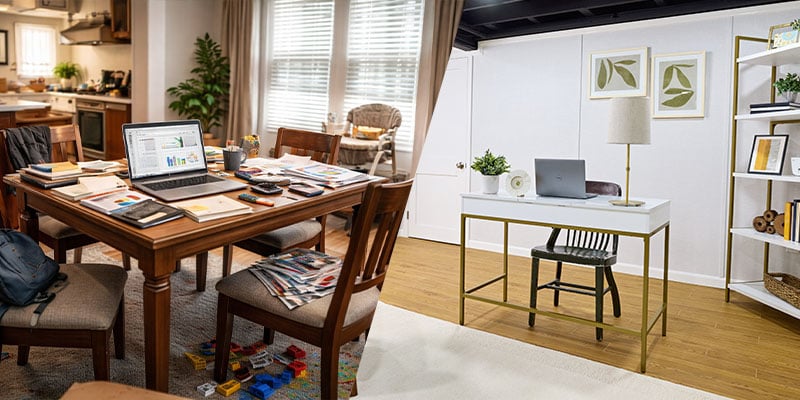
Turning dining rooms into offices
-
Using guest rooms for storage
-
Converting family rooms into makeshift bedrooms
-
Letting the basement become a catch-all instead of a usable space
When rooms are forced to do jobs they weren’t meant for, the whole house starts to feel disjointed.
Do You Feel Like You’re Always Fighting Clutter, Even After Decluttering?
If organization systems aren’t fixing the problem, space may be the real issue.
Families accumulate things they can’t get rid of:
- Sports gear
- Activity equipment
- Seasonal items
- Hobby-related supplies
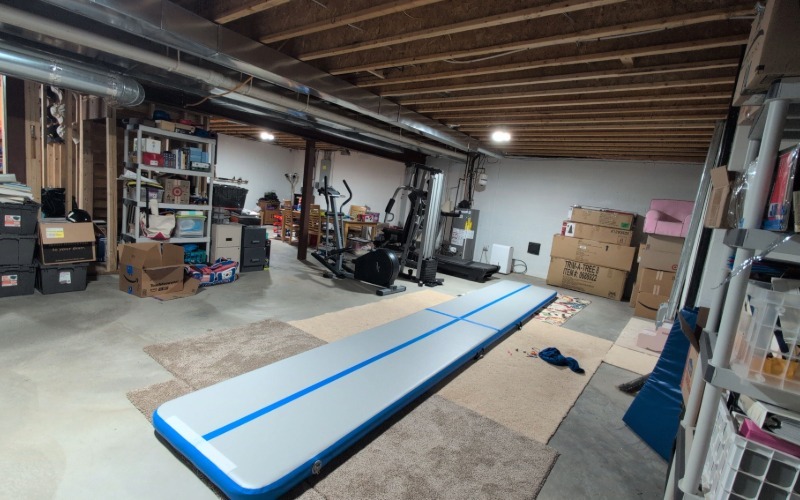
When those items are part of everyday life, constantly moving them around upstairs becomes exhausting. That’s often when homeowners realize they need functional space, not just better storage bins.
Are You Running Out of Privacy or Quiet Space?
Privacy becomes harder when:
- Kids get older
- Work-from-home schedules overlap
- Multiple generations share one roof
When everyone’s routines overlap, noise and lack of separation become daily stressors. Privacy isn’t a luxury; it’s what allows a home to function smoothly.
Does Your Home No Longer Support How You Actually Live Day-to-Day?
Many homeowners reach a point where their home simply doesn’t align with their lifestyle anymore.
Common “too small” triggers include:
- Entertaining guests without enough room
- Trying to fit fitness routines into shared spaces
- Hosting out-of-state family with nowhere comfortable to stay
The house may still be “nice,” but it no longer supports how you use it.
Are You Avoiding Certain Areas Because They’re Uncomfortable or Unfinished?
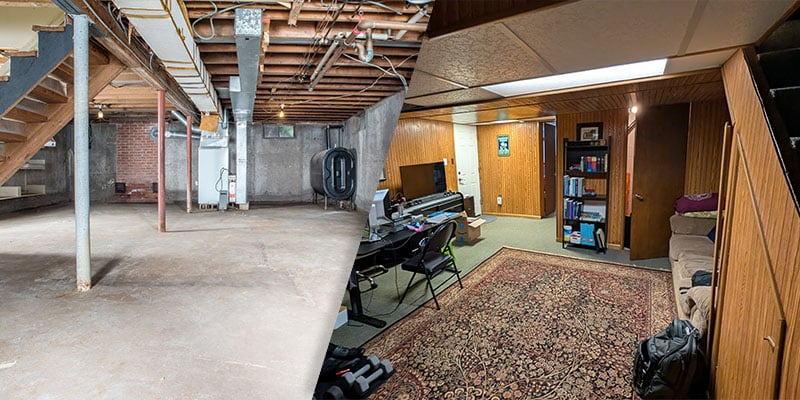
Unfinished basements are one of the most underused parts of the home. In fact, surveys of new and existing homes suggest that only a small fraction of basements are actually finished. High‑end homes come in around 1 in 5, and smaller homes closer to 1 in 20, so most families are really living in only part of the space they already own.
Homeowners often avoid them because they’re:
- Cold
- Dark
- Damp
- Uninviting
That avoidance usually means you’re living on only part of your home’s square footage, even though the space already exists.
Why Do Homeowners First Consider Moving When They Feel Cramped?
For many people, the first thought is:
“We’ve outgrown this house. We need to move.”
Homeowners commonly believe:
-
Renovations cost more than moving
-
A new house will automatically solve the problem
-
A hot market makes selling the best option
In reality, moving introduces new costs and tradeoffs that many homeowners don’t anticipate or even desire.
What Are the Real Downsides of Moving Instead of Improving Your Home?
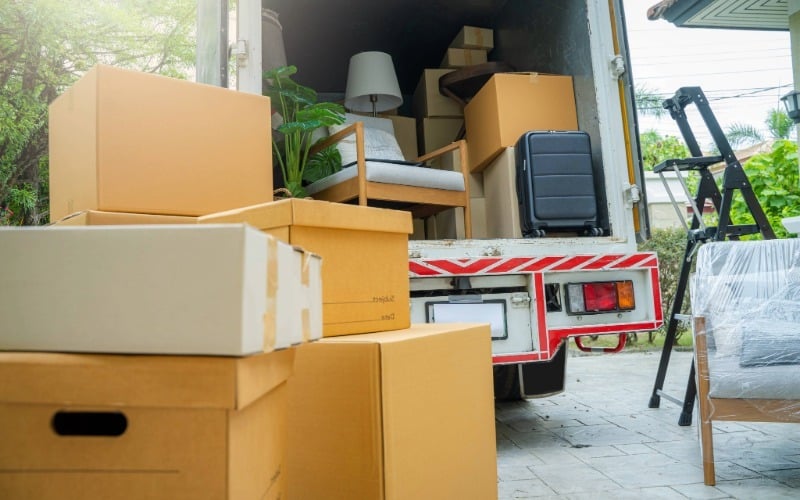
When space starts to feel tight, moving often feels like the obvious next step. But before making that decision, it helps to understand the real tradeoffs that come with leaving a home you already know.
How Much Does Moving Actually Cost?
Moving costs often include:
-
Realtor commissions
-
Closing costs
-
Higher interest rates
-
Taxes and fees
-
Moving logistics
In many cases, homeowners are surprised by how much more they’d need to spend just to gain similar square footage elsewhere.
Before comparing moving to improving your home, it helps to see what a real-life move in Pennsylvania can cost once closing fees, taxes, commissions, and movers are all included.
Example: Realistic Moving & Transaction Costs in Pennsylvania
In Pennsylvania, the combination of agent commissions, closing costs, taxes, and moving expenses can add up quickly, even before considering higher home prices or interest rates. A homeowner can expect to pay $28,000–$40,000+ in moving/selling-related costs.
- Selling a $300,000 Pennsylvania home: about 5.3% (~$16,000) in seller closing items plus 5–6% (~$15,000–$18,000) in agent fees, then add perhaps $1,000–$2,000 for a local move out of the property.
- Buying a $300,000 home: expect $6,000–$15,000 in buyer closing costs and prepaids (2–5%+), including the buyer’s share of transfer tax and escrows for taxes/insurance.
| Cost Category | Who Pays | Typical % or Range | $300,000 Home Example | What This Covers |
|---|---|---|---|---|
| Real Estate Agent Commission | Seller | ~5–6% | $15,000–$18,000 | Listing agent and buyer’s agent commissions |
| Seller Closing Costs & Taxes | Seller | ~5.3–5.4% | ~$16,000 | Transfer tax share, title and settlement fees, recording fees, prorated property taxes, and possible buyer credits |
| Buyer Closing Costs & Fees | Buyer | ~2–5% | $6,000–$15,000 | Lender fees, appraisal, title insurance, escrow setup, and recording and settlement charges |
| PA Real Estate Transfer Tax | Buyer & Seller (typically split) | ~2% total | ~$6,000 total | 1% Pennsylvania state tax plus ~1% local tax (Pittsburgh’s local portion may be higher) |
| Local Moving Costs | Buyer / Seller | Flat range | $800–$3,000 | Truck, labor, distance, home size, and optional packing services |
| Estimated Total Moving & Transaction Impact | — | ~9–14% of home price + moving | $28,000–$40,000+ | Combined buyer and seller transaction costs plus physical moving expenses |
For many Pennsylvania homeowners, the costs tied to selling, buying, and moving can add up quickly, often rivaling or exceeding the cost of improving the home they already own.
What Do You Lose When You Leave a Home You Like?
Beyond the financial costs, moving often means giving up things that are harder to replace than square footage.
For many homeowners, that includes:
- A neighborhood you’ve grown comfortable in
- Schools where your kids already have friends and routines
- Proximity to family, friends, or support systems
Even when a move makes sense on paper, these changes can be disruptive in ways homeowners don’t always anticipate upfront. If you genuinely like where you live, it’s worth weighing whether gaining more space is worth resetting parts of your day-to-day life that already work.
Why Is the Basement Often the Most Overlooked Way to Gain Living Space?
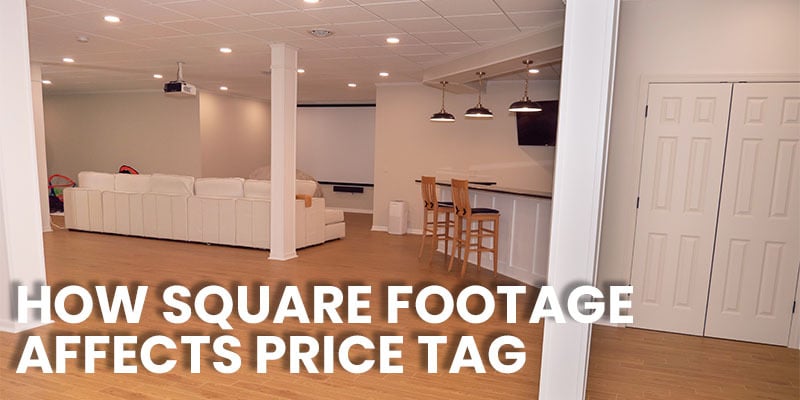
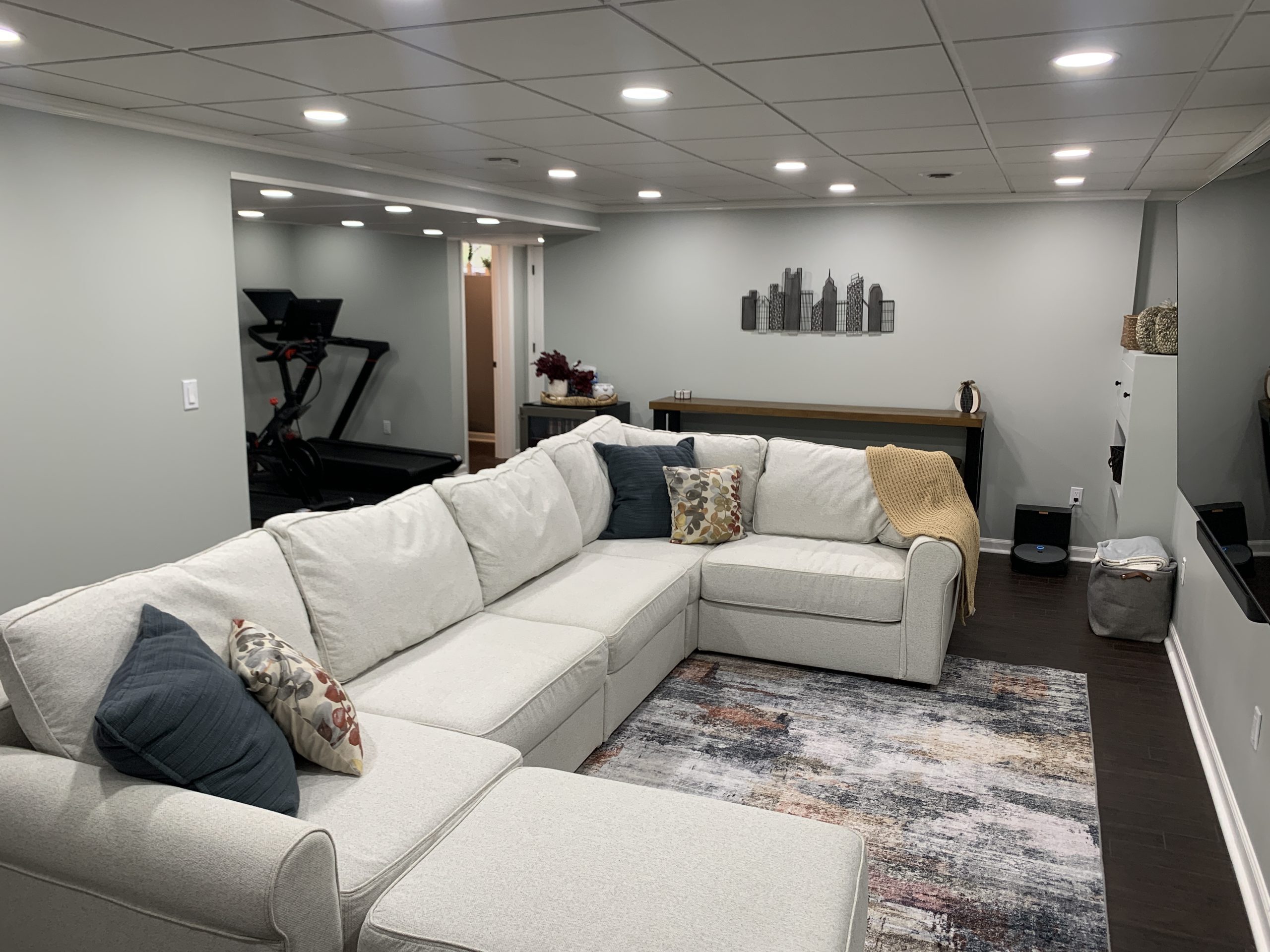
Basements are one of the few places in a home where additional living space already exists… it just isn’t being used yet.
They offer:
- Square footage you’ve already paid for
- Natural separation from main living areas
- Flexibility to adapt over time as needs change
Yet, many homeowners dismiss them because they associate basements with storage, cold floors, or past moisture concerns and not livable space.
What Are the Best Uses for a Finished Basement When You’re Outgrowing Your Home?
The “best” use depends on why your home feels tight in the first place. Here are the most common ways homeowners actually use finished basements.
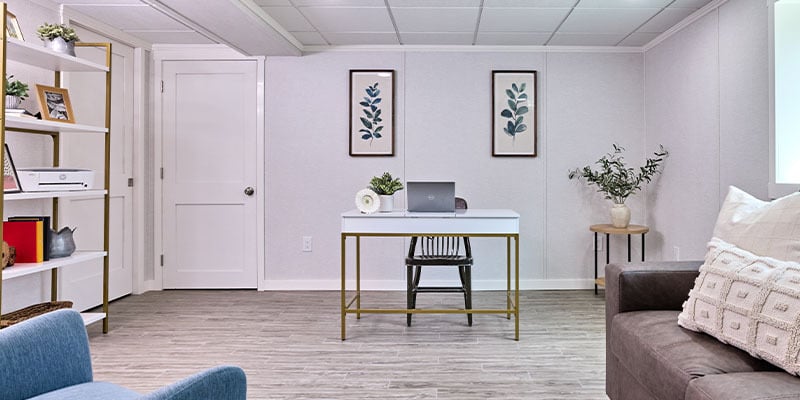
Can a Basement Work as a Home Office?
Yes, and it’s increasingly common in the Work From Home Era.
Homeowners like basement offices because:
- They feel separate from daily household noise
- You can “go to work” and “leave work”
- It creates mental separation between job and home life
Common mistakes DIY setups miss:
- No natural light (near a window if possible)
- Proper lighting for video calls
- Enough outlets and power
- Reliable Wi-Fi or Ethernet access
Is a Basement a Good Option for Kids or Teen Spaces?
Basements are highly adaptable for growing families and ideal for kids of all ages.
For younger kids:
-
More room to move
-
Durable finishes that can handle wear
For teens:
-
Space to hang out with friends
-
Independence without leaving the house
An open layout allows the space to evolve as kids grow. From playroom, to hangout, to something else entirely.
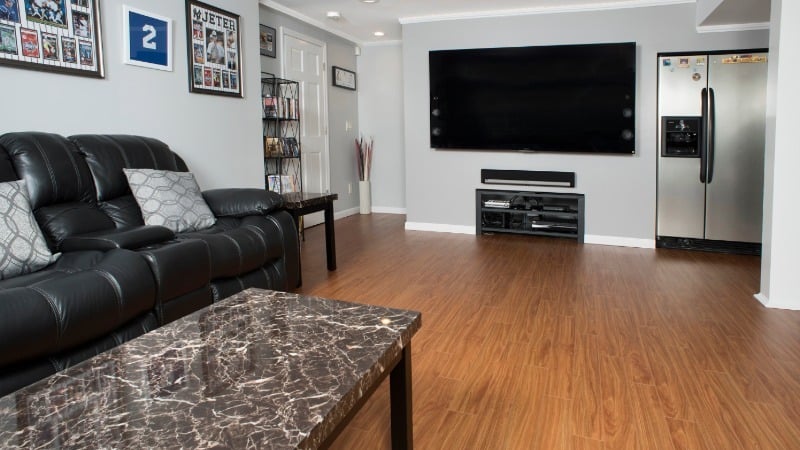
Can You Create Guest Space Without Giving Up Privacy?
Many homeowners want to host guests… just not right next door.
Basement guest areas work well when they include:
- Privacy for visitors (independent bathroom)
- Privacy for homeowners
- Separation from daily routines upstairs
Bedrooms with nearby bathrooms and intentional access paths feel permanent, not temporary.
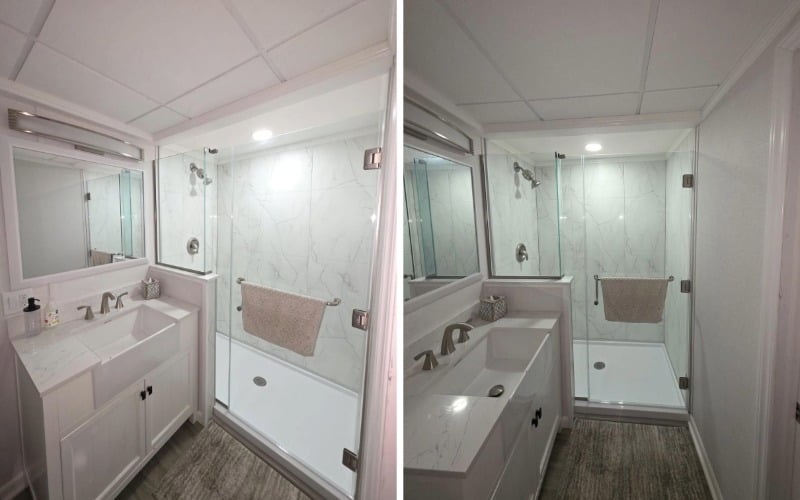
Does a Basement Make Sense for Multigenerational Living?
More homeowners are finishing basements to support aging parents or adult children.
Common drivers of this need include:
-
Rising elder care costs
-
Housing affordability
-
Desire to stay close while maintaining independence
Key design considerations include:
- Accessibility features (grab bars, safer showers)
- Privacy
- Proximity to the rest of the home without feeling isolated
These features matter when planning for long-term use.
Can You Still Have Storage If You Finish Your Basement?
Yes, but it needs to be planned intentionally.
Basements naturally include mechanical areas (furnace or water heater) that can be incorporated into:
- Storage rooms
- Utility closets
- Organized built-ins
These zones can be built out intentionally so you don’t lose functionality when adding living space.
What About Home Gyms, Hobby Rooms, or Entertainment Areas?
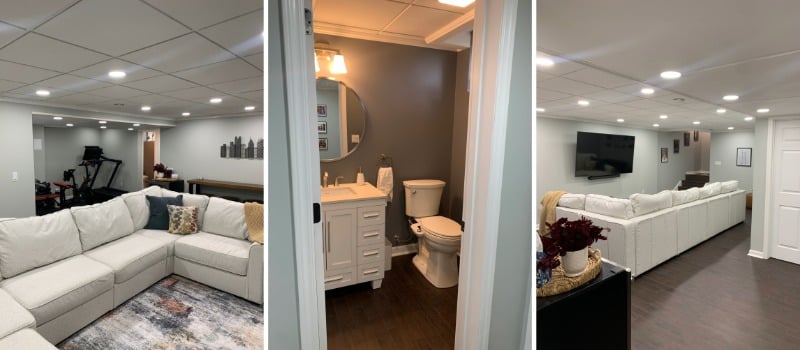
Entertainment areas tend to be the most “future-proof.”
Why?
- Gyms often lose use over time
- Hobbies can change
- Entertainment areas adapt easily with furniture swaps
Layouts can evolve without major renovation, making them flexible long-term spaces.
How Do You Know If Your Basement Is a Good Candidate for Finishing?
There are a few baseline factors that good candidates typically have:
-
Comfortable ceiling height
-
Floors are reasonably level
-
No active water issues
-
Mechanical systems aren’t blocking the entire layout
-
There’s enough usable space beyond stairs and utilities
Even challenging basements can often be finished, but layout efficiency becomes key.
Addressing Common Basement Finishing Concerns
Even homeowners who love the idea of finishing their basement usually have a few hesitations… and they’re completely valid. These are the concerns we hear most often, along with what typically happens in real projects.
Will a Finished Basement Feel Dark or Closed In?
Not if it’s designed well. Lighting can always be added, and layout choices make a big difference. Small basements can feel cramped if overloaded, but darkness is rarely a limiting factor.
Are Moisture and Mold Always a Risk?
Basements are below ground, so yes, moisture is always possible. The goal is to reduce risk through:
- Proper materials
- Good design
- Addressing existing conditions
No system can eliminate every variable, but many risks can be minimized.
Is Basement Finishing Worth the Investment Long-Term?
For most homeowners, the value of basement finishing isn’t just about resale — it’s about how the space improves daily life over time.
When a finished basement is used regularly as a home office, entertainment space, or living area, the added square footage becomes part of how the home functions, not just an “extra room.”
From a long-term perspective, finished basements tend to add more value the longer you stay in the home.
How Long Does a Basement Finishing Project Usually Take?
While every project is different, most basement finishing projects are measured in weeks, not months.
On average, a typical basement finishing project takes about 4-6 weeks, depending on:
- The size of the basement
- The complexity of the layout
- Whether bathrooms, plumbing, or custom features are involved
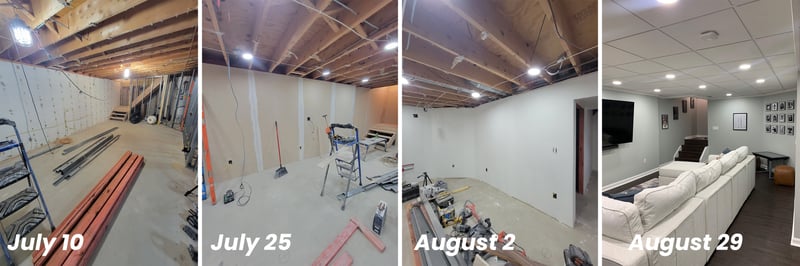
That timeline usually includes framing, electrical work, lighting, finishing, and final details. If a basement has existing issues (like moisture concerns or layout challenges), addressing those can add time, but those steps are important for long-term performance.
For homeowners, the key takeaway is this: basement finishing is generally a contained, predictable project compared to large additions or whole-home renovations, making it easier to plan around daily life.
Will It Disrupt Daily Life?
A little. Some disruptions can include:
- Temporary power or water shutoffs
- Limited basement access
- Laundry interruptions
Projects are easiest when there’s exterior access through an outside door, but interior access can be managed.
When Does Basement Finishing Make More Sense Than Moving or Adding On?
Basement finishing tends to make the most sense when the issue isn’t that your home is too small, but that your current space isn’t being used effectively.
For many homeowners, finishing the basement is the better option when:
- You like your neighborhood, school district, or commute, and don’t want to start over somewhere new
- You need more separation between work, family, and guests, rather than additional square footage on the main levels
- You want flexible space that can change as your needs do, without committing to a permanent addition
If you already have usable square footage below your main living area, finishing the basement is often the most efficient way to gain function without fundamentally changing your home.
What Should You Think About Before Starting a Basement Finishing Project?
Before jumping into a basement finishing project, it helps to step back and think about why you’re finishing the space and how you plan to use it long-term.
A few important considerations include:
| Consideration | Why It Matters | What to Ask Yourself |
|---|---|---|
| Clarifying Needs vs. Wants | Focusing on the problems the space needs to solve helps keep the project functional and prevents overspending on features you may not actually use. | What is this space missing today—privacy, workspace, guest space, or flexibility? |
| Setting a Comfortable Budget Range | Establishing a budget early guides design decisions and helps avoid overbuilding for how long you plan to stay in the home. | What investment feels reasonable given how long we expect to live here? |
| Evaluating Basement Conditions | Ceiling height, moisture history, layout, and access all affect what’s possible and how the space should be designed. | Are there any limitations we need to design around rather than ignore? |
| Choosing the Right Contractor | Basement finishing requires experience with below-grade spaces, not just general remodeling skills. | Does this contractor specialize in basement finishing or treat it as an add-on service? |
| Understanding Finishing vs. Remodeling | Finishing an unfinished basement is different from remodeling an existing one, with different scopes, costs, and timelines. | Are we starting from an unfinished space or changing a space that already exists? |
Taking time to think through these factors upfront makes the entire process smoother and leads to a finished space that actually gets used.
What’s the Next Step If You’re Outgrowing Your Living Space?
When your home no longer fits how you live, whether it's a lack of space, privacy, or functionality, it’s easy to assume moving is the only answer. But as you’ve seen, the solution might already exist right beneath your feet.
If you’re constantly shifting rooms around, tripping over clutter, or struggling to find quiet time, you’re not alone, and it’s not just a storage issue. It’s a sign that your home isn’t meeting your needs. That’s where finishing your basement becomes a game-changer.
Before making a big move, take a closer look at how your basement could help you stay where you are more comfortably. Schedule a consultation to explore whether your space is a good candidate for finishing and to get a realistic insight into what’s possible for your home.
At Energy Swing, we specialize in helping Pittsburgh-area homeowners turn underused basements into smart, livable spaces that actually make life easier. We’d love to help you do the same without the stress of relocating.

FAQs: Signs You’re Outgrowing Your Living Space
How do I know if my home is too small or just poorly laid out?
If you’re constantly repurposing rooms, struggling to find quiet or private space, or feeling crowded despite staying organized, the issue is often function, not square footage. Many homeowners don’t need a bigger house — they need their existing space to work better for how they live today.
Is finishing a basement cheaper than moving?
In many cases, yes. Moving comes with realtor fees, closing costs, higher interest rates, and moving expenses — all before you improve how the home actually functions. Finishing a basement allows you to gain usable living space without the financial and emotional costs of relocating, especially if you already like your neighborhood.
Will a finished basement increase home value in Pittsburgh?
A finished basement can add value, but its biggest benefit is how your family uses the space. In Pittsburgh, where many homes have unfinished basements, functional lower-level living space can make a home more appealing — particularly when it’s well-designed and feels intentional rather than temporary.
Can a basement really function like main-level living space?
Yes, when it’s laid out correctly. With proper lighting, ceiling height, layout, and access, a finished basement can comfortably support everyday uses like offices, guest rooms, entertainment areas, or multigenerational living. The key is designing the space around how it will actually be used.
What if my basement has never been used before?
That’s very common. Many homeowners avoid their basements because they’re unfinished, cold, or uninviting. That doesn’t mean the space isn’t usable — it usually just means it hasn’t been designed yet. A professional evaluation can help determine what’s possible based on layout, moisture conditions, and ceiling height.
How disruptive is basement finishing to daily life?
Some disruption is expected, especially if utilities like power, water, or laundry are located in the basement. However, most projects are manageable with planning, and disruption is typically temporary. Homes with direct exterior basement access usually experience less inconvenience.
How long does a typical basement finishing project take?
Most basement finishing projects take about four to six weeks, depending on scope, layout complexity, and any existing issues that need to be addressed. Your contractor should provide a clear timeline before work begins.
Topics: