Choosing the right entry door for your home is a bigger decision than it might seem, especially here in Pittsburgh where harsh winters, humid summers, and heavy rain put every material to the test. If you choose wrong, you could end up dealing with drafts, rust, maintenance headaches, and early replacements.
At Energy Swing Windows & Doors, we’ve helped thousands of Pittsburgh homeowners navigate the fiberglass vs steel debate. Since we offer both types of doors, we know firsthand how each material performs in real-world conditions.
In this guide, you’ll learn exactly how fiberglass and steel entry doors compare in style, durability, weather resistance, maintenance, energy efficiency, and cost.
By the end, you’ll feel completely confident about which option fits your home, your budget, and Pittsburgh’s one-of-a-kind weather challenges.
Key Takeaways: Fiberglass vs Steel Entry Doors
- Fiberglass performs better in Pittsburgh’s harsh, wet, and fluctuating climate
- Steel doors are more budget-friendly but need more protection from the elements
- Fiberglass offers a high-end wood look. Steel is great for smooth, painted finishes
- Both materials can be energy efficient and secure with proper installation
- Your home’s exposure (covered vs uncovered entry) is the biggest deciding factor
- Energy Swing installs both: ProVia Signet and Ascent fiberglass and ProVia Legacy steel, with our own employee installers and a Triple Lifetime Warranty
Table of Contents
Fiberglass vs Steel: What’s the Main Difference?
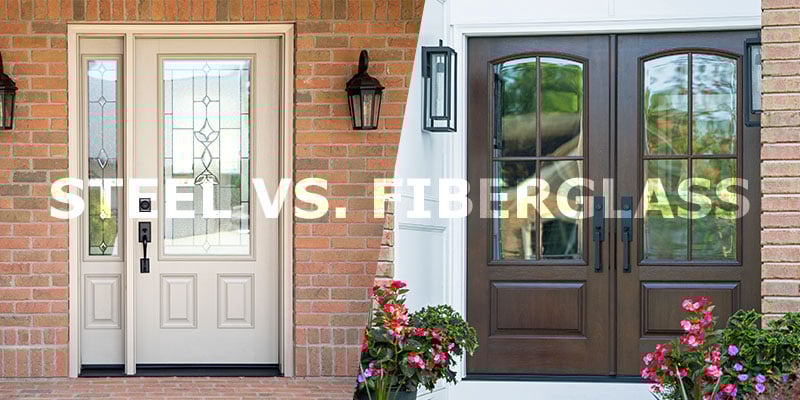
At a glance, the biggest difference is style.
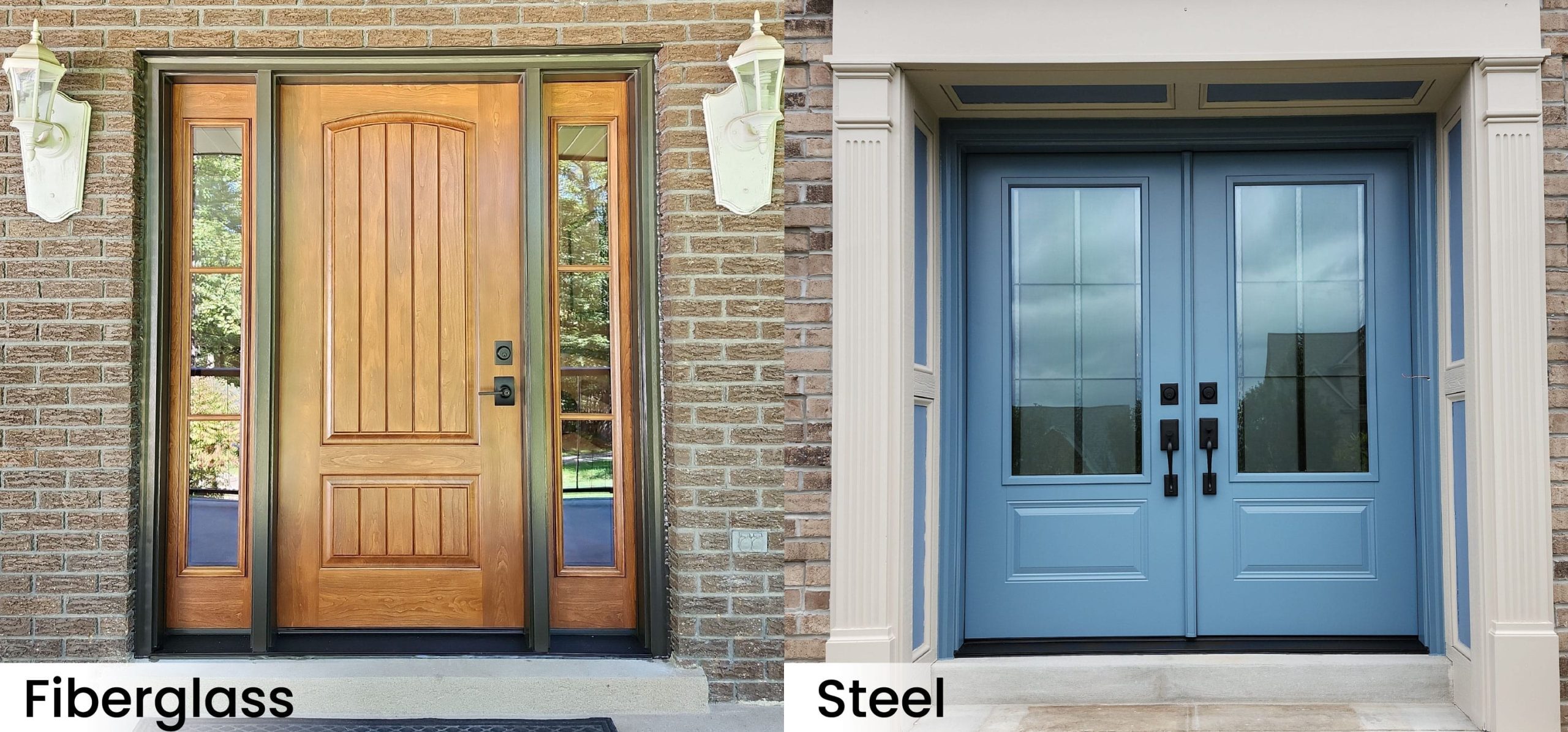
- Fiberglass doors are a great choice if you love the look of real wood. They have deep, rich embossing that feels like natural wood when you touch it—and they can be stained to match that classic look beautifully.
- Steel doors, on the other hand, are a great option for homeowners who prefer a solid painted color. Painting a woodgrain texture doesn't always showcase its beauty, so if you know you want a painted door, many people lean toward steel.
Bottom line: Both fiberglass and steel doors can be designed to suit just about any style of home so you’re not locked into just one look!
Now that you know the main stylistic differences, let’s take a closer look at how fiberglass and steel doors perform when it comes to everyday durability.
Are Fiberglass or Steel Entry Doors More Durable?
Durability depends heavily on manufacturing quality, steel gauge, the type of fiberglass skin, and whether the frame is composite or wood. All of which are major factors many homeowners aren’t aware of.
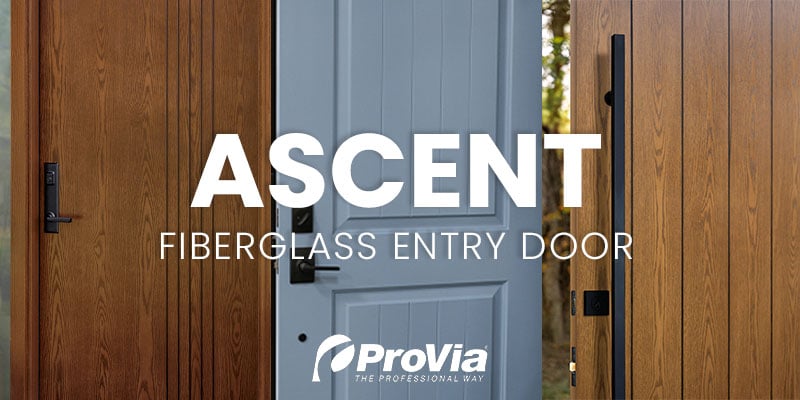
- Fiberglass doors are very low maintenance and are naturally resistant to dents, scratches, and rust. ProVia has two fiberglass door lines: Signet, and the new Ascent line, which was released in 2026. Each offers something unique for homeowners.
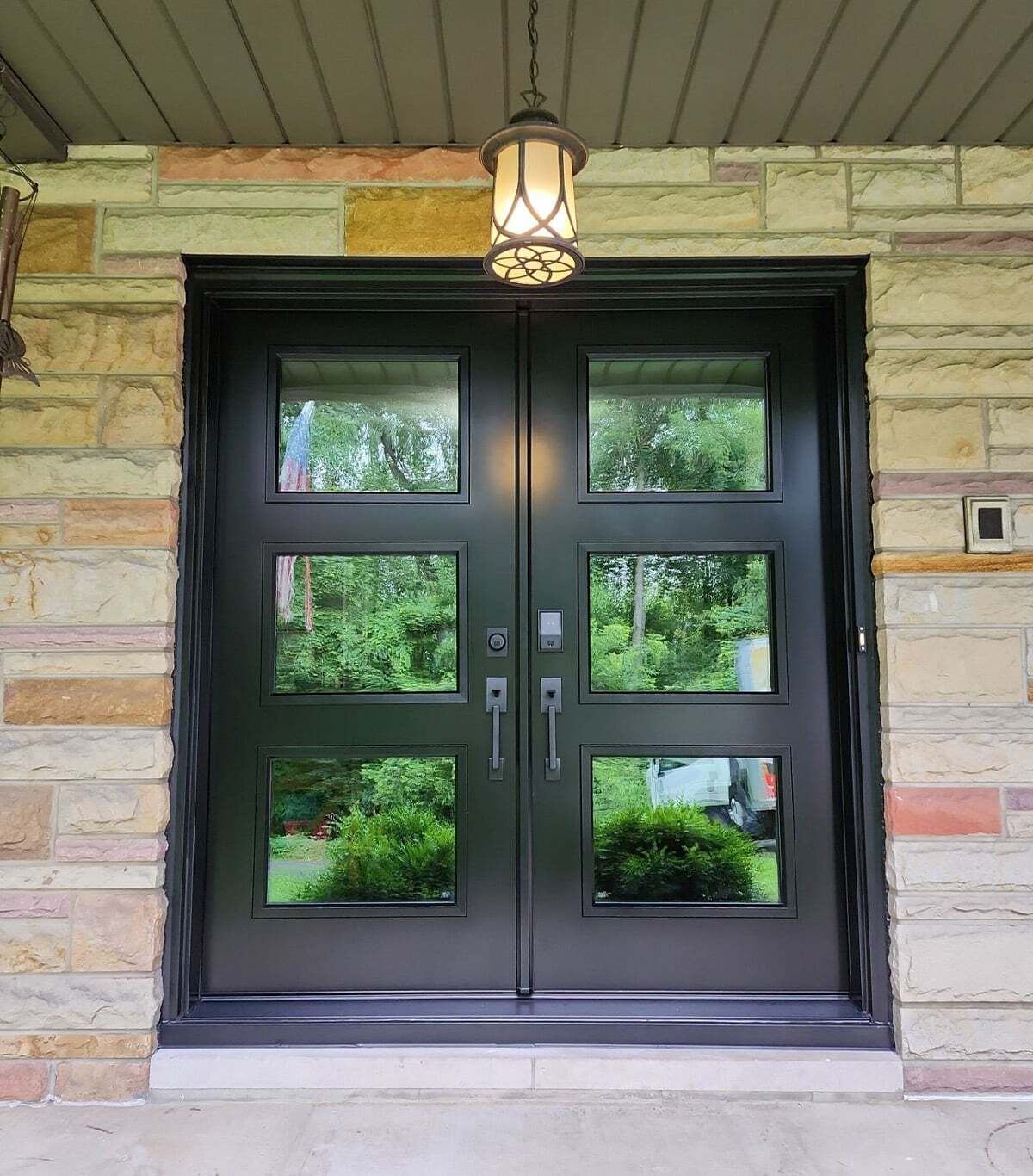
- Steel doors, especially high-quality options like ProVia’s Legacy line, are made with heavy-gauge steel that's extremely durable. Lower-end steel doors from big box stores, however, can be prone to denting and rusting over time.
Bottom line: Fiberglass wins for low-maintenance durability overall, but a well-made steel door (especially when protected from direct weather) can perform beautifully for decades.
Read our guide on why off-the-shelf doors often underperform in durability compared to their custom-built counterparts.
Durability is important, but Pittsburgh’s wild weather brings its own challenges for entry doors. Let’s explore how fiberglass and steel handle the elements.
Which Entry Door Is Better for Pittsburgh Weather?
Pittsburgh puts entry doors through some of the toughest conditions; freezing winters, humid summers, heavy rain, and rapid temperature swings. How well your door performs long-term depends heavily on how the material reacts to these weather extremes.
Fiberglass and steel each behave differently in Pittsburgh’s climate, especially when it comes to moisture, temperature changes, and direct exposure.
Here’s a quick, side-by-side look at how both materials hold up in real-world conditions across the region:
| Material | How It Handles Pittsburgh Weather | Best Use Case | Potential Concerns |
|---|---|---|---|
| Fiberglass | Resists swelling, warping, and moisture damage. Not impacted by rapid freeze-thaw cycles or humidity swings. Does not rust. | Ideal for entries with heavy exposure to direct rain, snow, and sunlight. Performs consistently on unprotected doorways common in older Pittsburgh homes. | Minimal concerns; darker stains may fade very slowly with intense sun but far less than steel. |
| Steel | Strong material but expands slightly in heat and contracts in extreme cold. Surface can rust if scratched or if lower-quality steel is used. | Great for doorways protected by a porch or overhang, where steel durability shines without heavy exposure to moisture. | Prone to rust on unprotected entries if dented. Finish may show wear faster in extreme weather without proper protection. |
What This Means for Your Home
For doorways that get hit directly by rain, snow, or sun (common in neighborhoods like Bloomfield, Baldwin, and parts of Cranberry Township), fiberglass is usually the safer long-term choice.
If your entryway is protected by a full porch or overhang, a steel door can perform just as well and often at a lower cost.
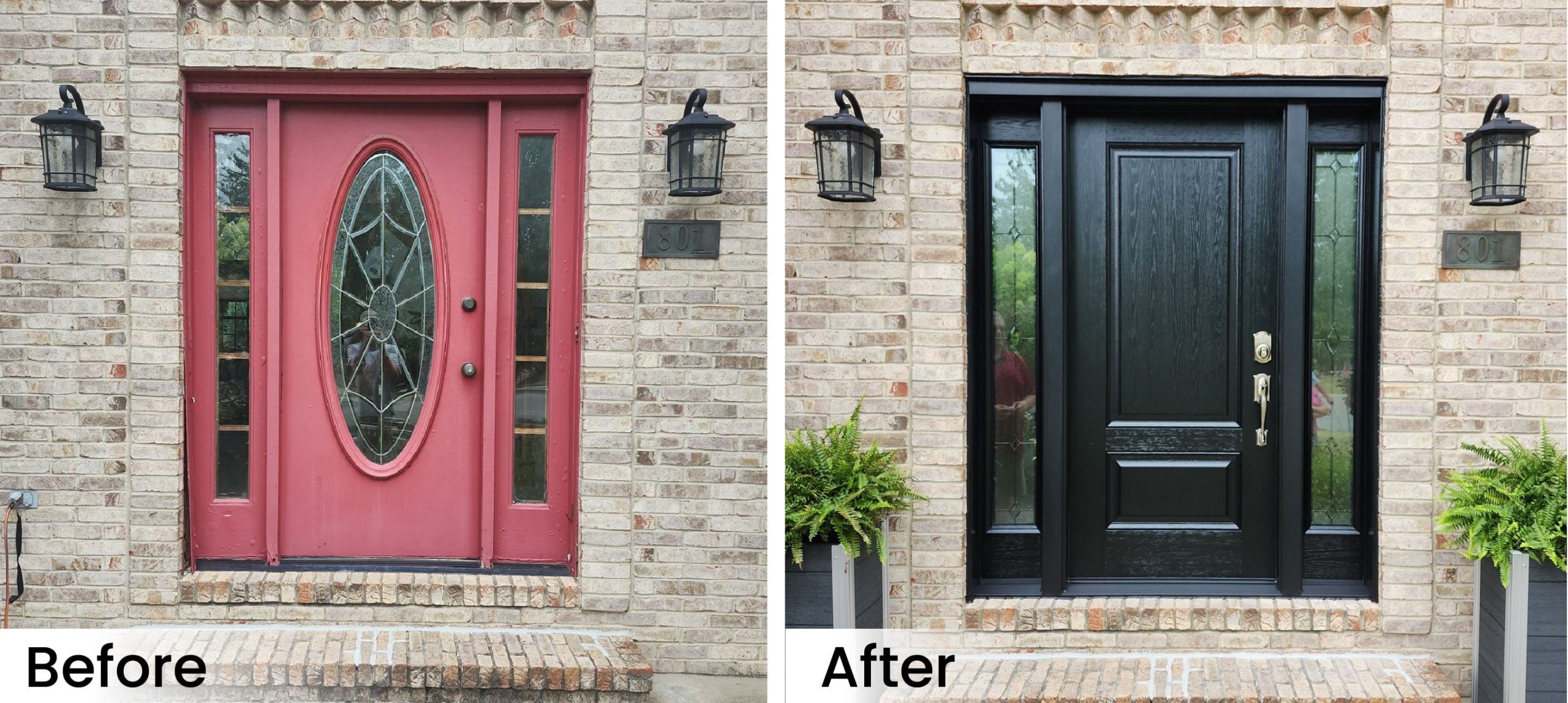
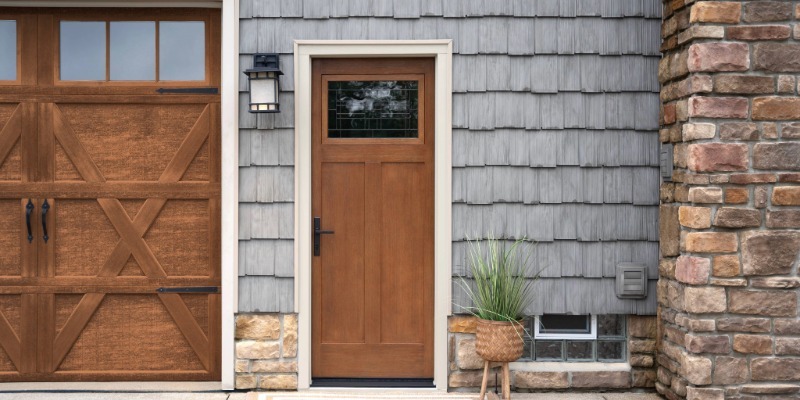
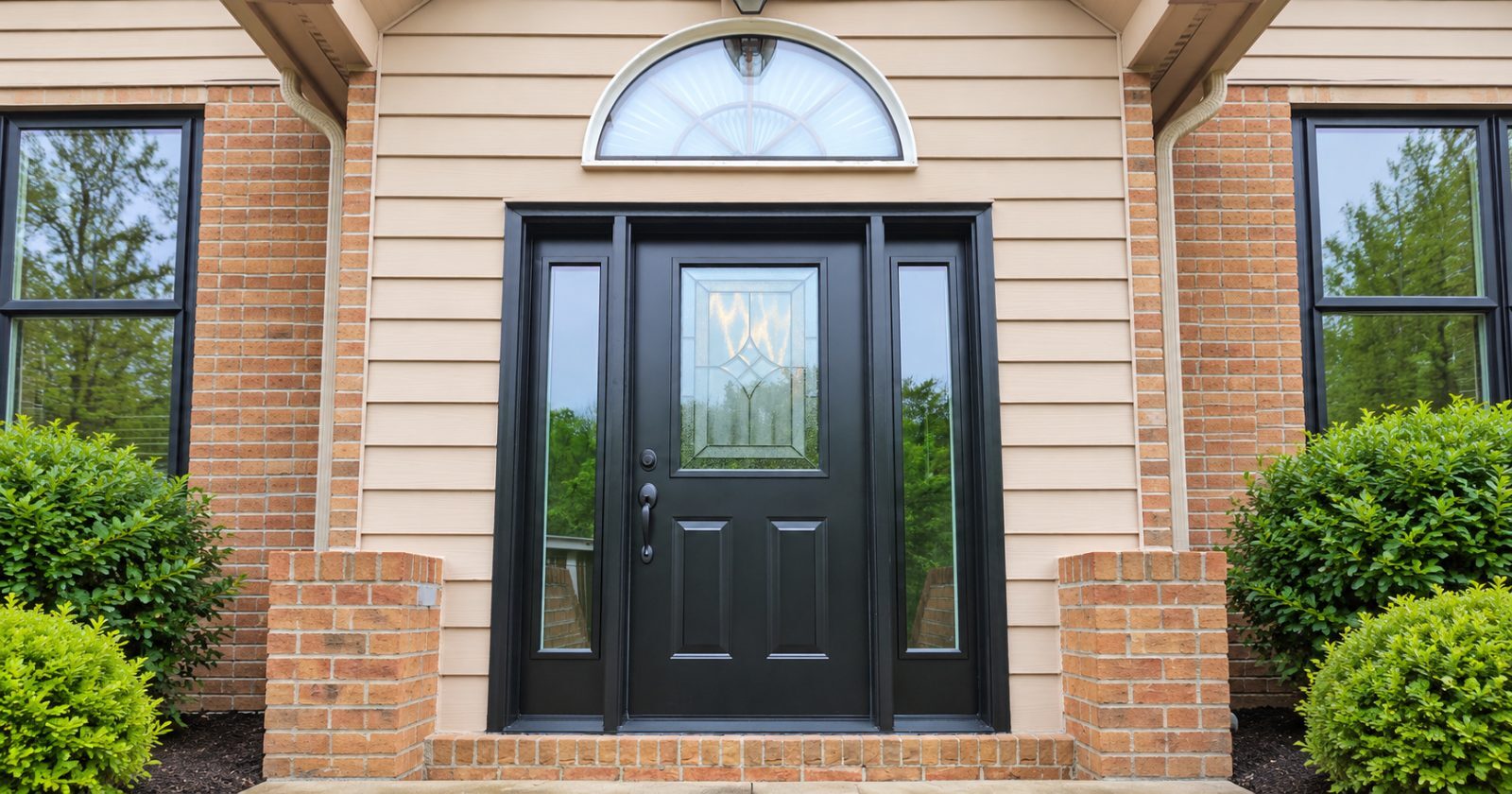
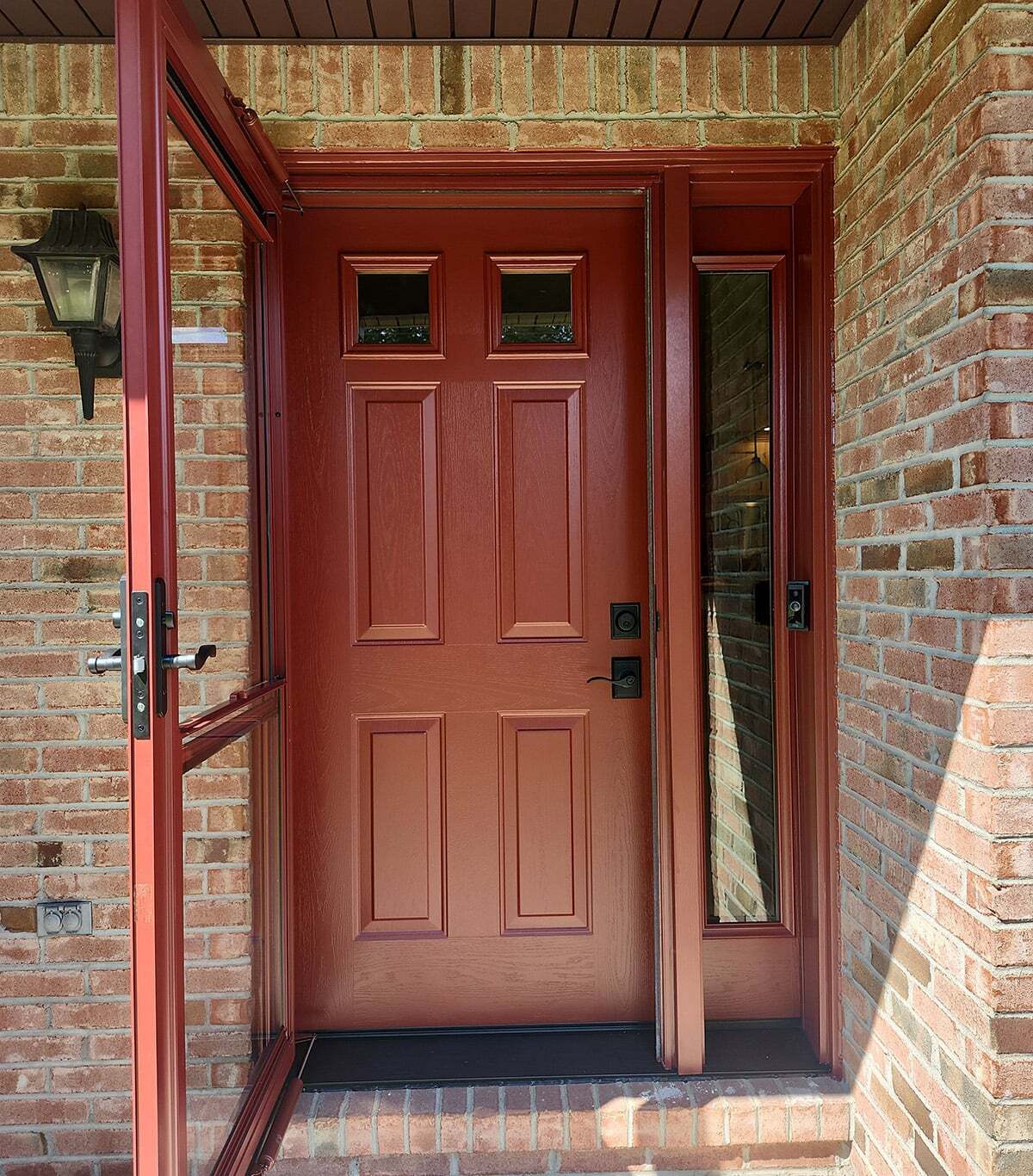
This entry door was exposed to years of harsh sunlight and isn’t protected by any sort of porch or overhang. For the replacement, this Cranberry Township, PA homeowner went with a modern espresso-stained fiberglass door.
Do Fiberglass or Steel Doors Have Better Energy Efficiency?
Both steel and fiberglass can be extremely energy efficient, but fiberglass typically edges out because of thicker construction and more advanced sealing.
-
Fiberglass doors are typically about .75” thicker than steel, which allows for deeper insulation pockets and tighter weatherstripping. This is a noticeable benefit in Pittsburgh’s 20-degree-to-70-degree temperature swings.
-
Steel doors can also be very efficient, especially solid models without glass. Despite the fact that steel conducts heat at least 40 times faster than fiberglass, the modern solid foam cores provide excellent insulation to prevent this transfer of heat.
In everyday living, most homeowners won’t feel a dramatic difference between the two. If you want the absolute best insulation and warmth at the surface of the door, fiberglass edges ahead.
Which Entry Door Material Offers Better Home Security?
When it comes to home security, the material of the door matters less than most people think. What truly makes a door secure is the locking system, the frame construction, and the quality of the installation.
Here’s the quick breakdown:
-
Steel is naturally stronger under direct force and may offer a slight edge in raw impact resistance.
-
Fiberglass is extremely sturdy as well, especially when paired with reinforced frames like those on ProVia doors.
-
Both materials can be highly secure when combined with upgraded hardware and professional installation.
Most break-ins happen because the door is left unlocked, not because of the door material itself.
Did You Know?
34% of burglars simply twist the doorknob and walk right in. A reliable deadbolt matters much more than whether your door is fiberglass or steel.
For homeowners wanting even more peace of mind, modern smart locks like the Schlage Encode Plus WiFi Deadbolt let you lock your door from your phone, receive alerts, or create temporary access codes.
Cost Comparison: Fiberglass vs Steel Entry Doors
- Steel doors are typically more affordable upfront.
- Fiberglass doors tend to cost more, especially because of their ability to mimic high-end wood looks and the hand-applied stain finishes.
Things that can drive up the cost for either material:
- Adding decorative glass or sidelights
- Custom paint or stain colors
- Larger or custom-sized doors
- Upgraded hardware
Average Cost of Steel vs Fiberglass Entry Doors in Pittsburgh
| Door Type | Fiberglass | Steel |
|---|---|---|
| Single Entry Door Without Glass or Sidelites | $8,000–$11,200 | $7,000–$9,400 |
| Door Without Door Glass, 2 Decorative Sidelites | $11,400–$17,100 | $8,800–$13,200 |
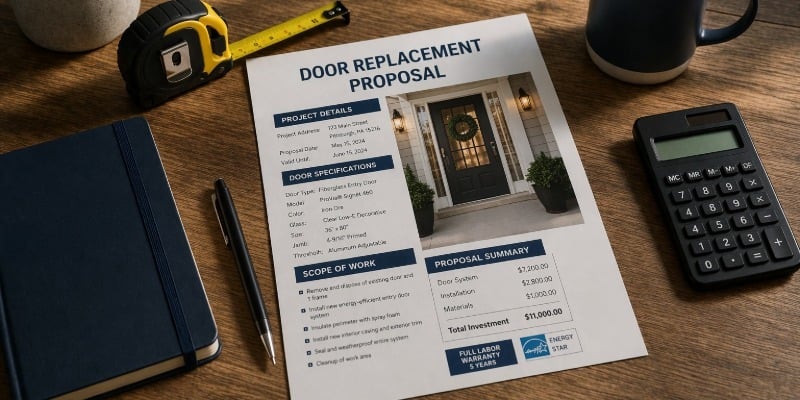
Quick Tip: Want a more specific price for your home? Try our door pricing estimator to get a personalized estimate in minutes.
Entry Door Maintenance: Is Fiberglass vs Steel Less Upkeep?
Maintenance is one of the biggest factors homeowners weigh when choosing a new entry door, especially if you want something that looks great for years with minimal effort. The good news? Both fiberglass and steel are low-maintenance options, but they differ slightly in how they age and what they require over time.
Here’s the quick rundown:
-
Fiberglass is one of the lowest-maintenance door materials available. A simple wash with mild soap and water is usually all it needs. It doesn’t rust, swell, or warp, even with Pittsburgh’s humidity and rapid temperature swings.
-
Steel is also low maintenance, but it needs a little more attention if the surface gets scratched. Exposed metal can rust, so touch-ups should be done promptly to protect the finish. Steel performs best on entryways with porch coverage.
If you have (or are considering) a storm door, keep this in mind:
Pro Tip: Heat can build up between a storm door and an entry door, especially with darker colors, which may cause paint to age faster over time. Fiberglass handles this heat buildup better than steel. Read our guide on the Pros and Con of Storm Doors to get a better understanding of how they can protect or potentially damage your door.
Appearance: Which Entry Door Looks Better?
For many homeowners, style is the deciding factor. Your front door sets the tone for your entire home’s curb appeal. Both fiberglass and steel offer beautiful design possibilities, but they excel in different ways depending on the look you’re going for.
Fiberglass: Best for a Warm, Natural Wood Aesthetic
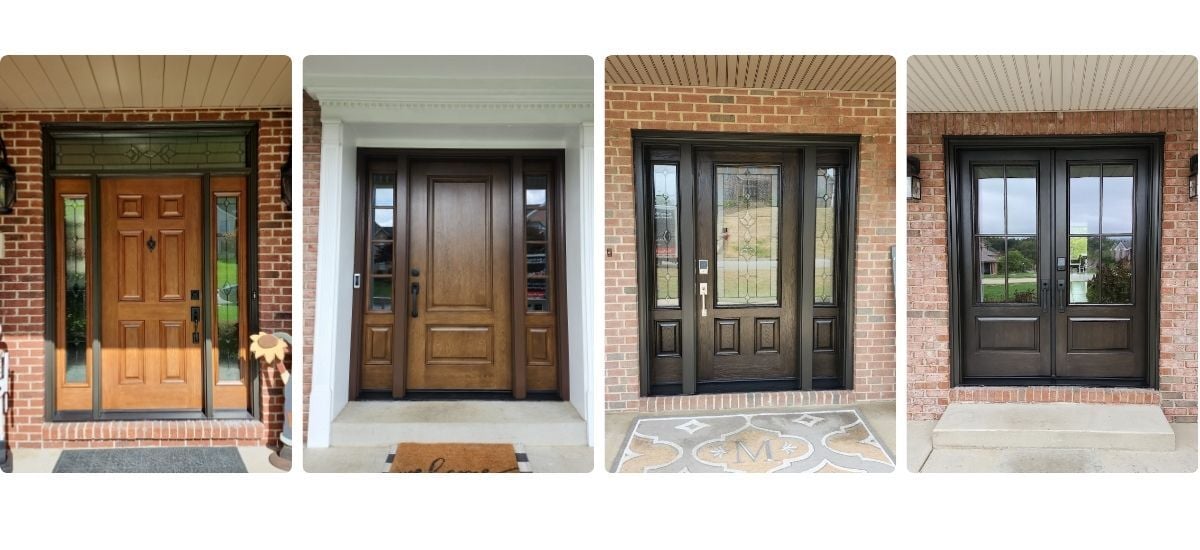 Fiberglass doors are designed to mimic the depth, grain, and warmth of real wood. With high-quality options like ProVia’s Signet and 2026 addition, Ascent series, the texture is so authentic that most people can’t tell the difference unless they touch it.
Homeowners choose fiberglass when they want:
-
A rich, stained wood look that adds warmth
-
The appearance of mahogany, oak, cherry, fir, or knotty alder
-
A more traditional or craftsman aesthetic
-
A finish that holds up beautifully in sun or harsh weather
This makes fiberglass especially popular in historic Pittsburgh neighborhoods like Squirrel Hill, Edgewood, Mt. Lebanon, and Regent Square, where maintaining a classic look matters.
Steel: Best for Bold, Modern, or Clean Painted Finishes
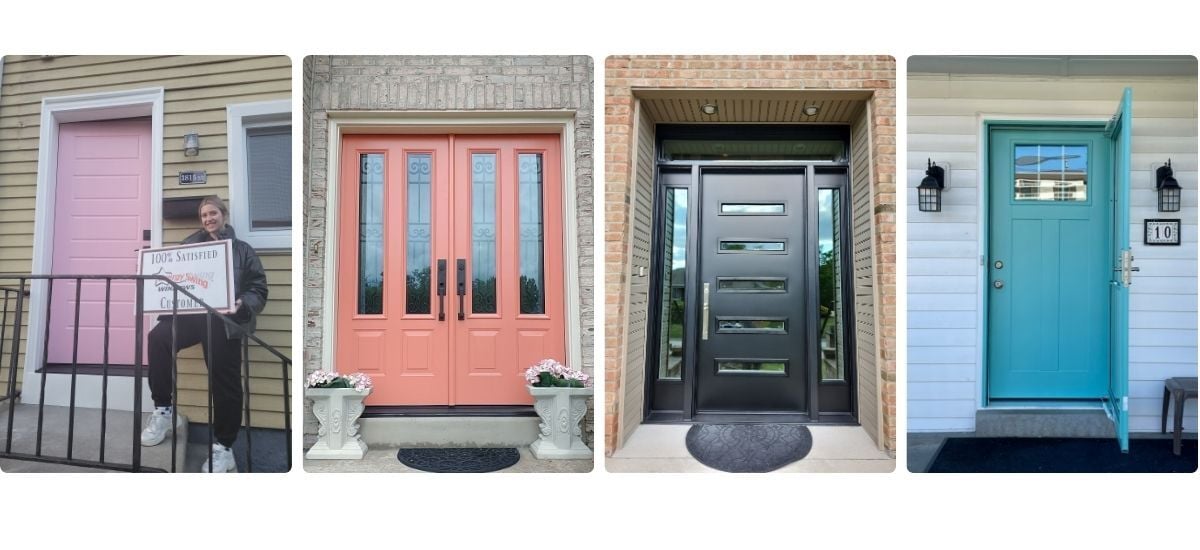 Steel delivers a crisp, smooth surface that looks incredible with solid paint colors. If you’re envisioning a sleek, modern statement door, steel is often the better fit.
Homeowners choose steel when they want:
-
A clean painted finish with sharp lines
-
A bold color pop against brick or siding
-
A more minimalist or contemporary style
-
A slightly wider range of panel designs
Steel shines in neighborhoods with bright, painted doors, think Lawrenceville, Shadyside, and Bloomfield, where bold colors like navy, charcoal, or deep red are part of the neighborhood charm.
Which Material Gives You More Design Flexibility?
Here’s the bottom line:
-
Choose fiberglass if you want depth, warmth, and wood realism.
-
Choose steel if you want a crisp painted finish and modern styling.
Fiberglass gives you the most range for traditional looks.
Steel gives you the most range for painted, modern looks.
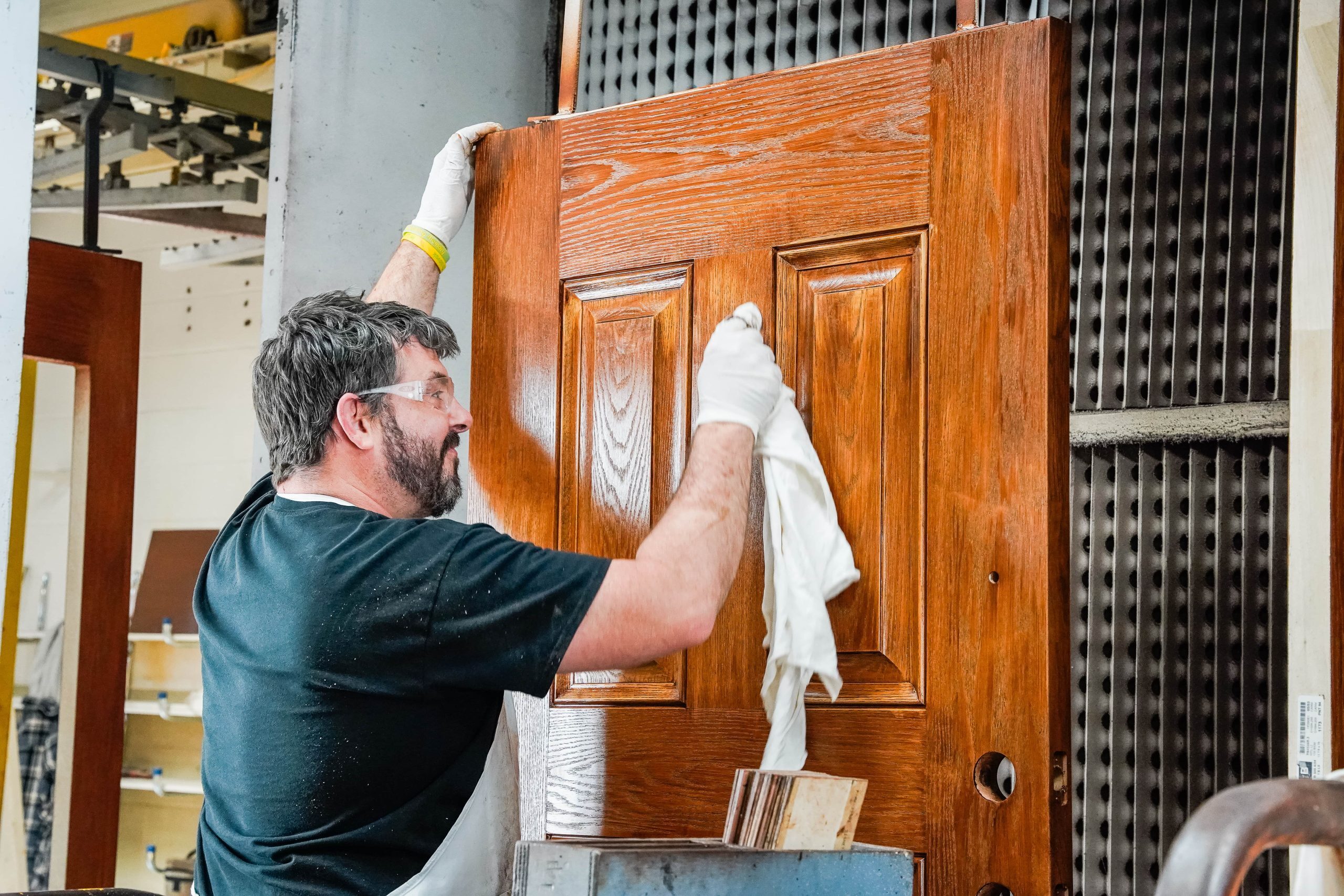
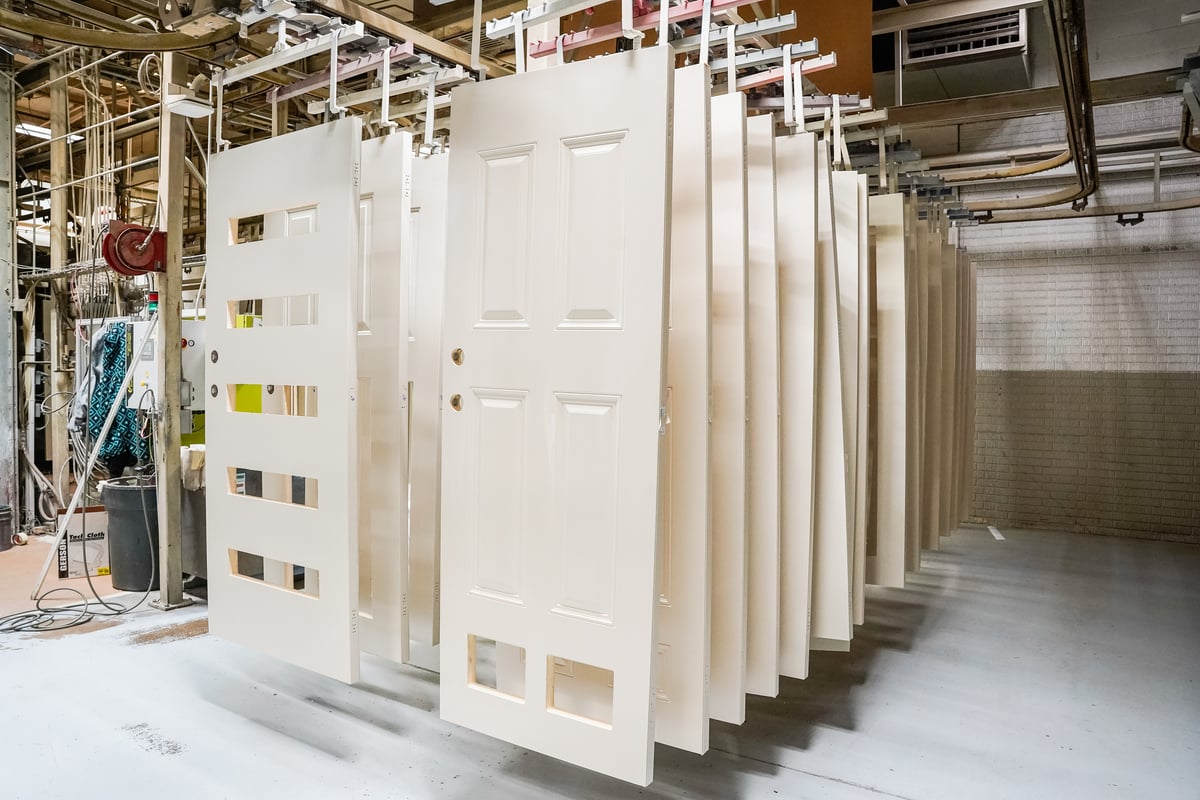
Here’s an example of how ProVia fiberglass doors are hand-stained at their manufacturing facility.
Fiberglass vs Steel Entry Doors: Quick Cheat Sheet
To help you quickly compare your options at a glance, here’s a handy cheat sheet breaking down fiberglass and steel entry doors side by side.
| Feature | Fiberglass | Steel |
|---|---|---|
| Durability | Highly durable, won't dent or rust | Very strong, but can dent or rust if scratched |
| Maintenance | Extremely low | Low, may need touch-ups if scratched |
| Energy Efficiency | Excellent | Very good (especially without glass) |
| Style & Appearance | Best for wood-look with deep grain textures | Best for smooth, solid color finishes |
| Cost | Higher | A little more budget-friendly |
| Weather Resistance | Ideal for sun exposed areas | Great for under covered porches or overhangs |
| Security | Very secure when paired with quality locks | Slightly stronger material under force |
What Are Special Considerations for Pittsburgh Homeowners?
While fiberglass and steel doors each have strengths, Pittsburgh homeowners face some unique challenges that can affect the right choice. Let’s take a closer look:
- Older homes often have steep steps and smaller door openings
- Weather exposure varies heavily based on the home’s orientation and porch coverage
- Many homeowners prioritize strong insulation, classic or historic aesthetics, and weather resistance
Common reasons Pittsburgh homeowners replace their doors include:
- Rotting or rusting frames
- Drafts and energy loss
- Updating the home’s look with more modern styles
Keeping these local factors in mind can help you choose an entry door that not only looks great but also performs well year-round in Pittsburgh’s unique climate.
Best Door by Scenario: Should You Choose Fiberglass or Steel?
With all these factors in mind, you might still be wondering: which door material actually fits your specific priorities? Here's a simple guide to help.
-
Choose Fiberglass if: You want a realistic wood look, minimal maintenance, and excellent energy efficiency.
-
Choose Steel if: You prefer a painted door, have a full porch, or are looking for a strong option at a lower cost.
| Which Door Fits You Best? | Best Choice |
|---|---|
| I need durable, but still budget friendly... | Steel |
| I want very little to no maintenance for my door... | Fiberglass |
| I have to have a real-wood look... | Fiberglass |
| I want a bold painted color... | Steel |
| I need to have a very energy efficient option... | Slight edge to fiberglass |
Who Installs Steel and Fiberglass Entry Doors in Pittsburgh?
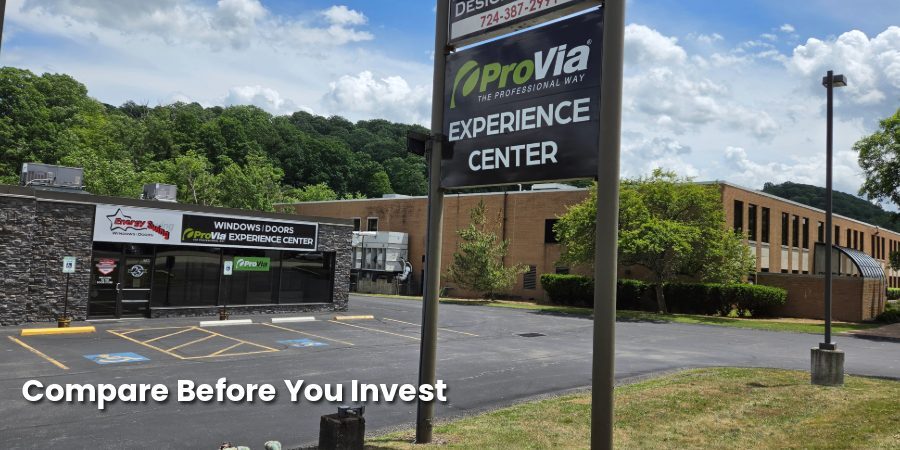
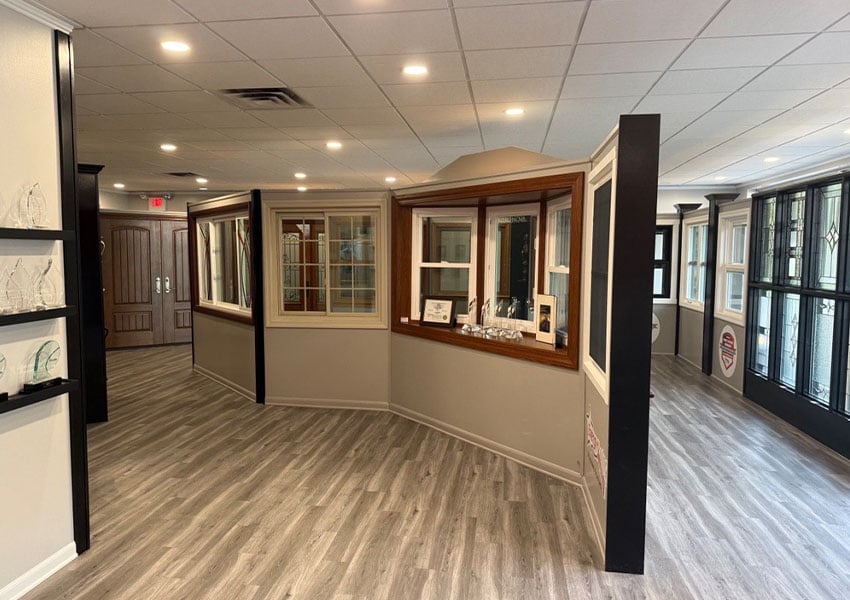
Energy Swing Windows & Doors installs both steel and fiberglass entry doors across Allegheny, Armstrong, Butler, and Westmoreland counties. Family-owned since 1999, we install ProVia Signet and Ascent fiberglass doors and ProVia Legacy steel doors with our own employee installers, never subcontractors, and back every door with our Triple Lifetime Warranty. We have an A+ BBB rating and 780+ five-star reviews, and you can compare steel and fiberglass doors side by side at our Design Center in Monroeville.
Next Steps: Find the Right Entry Door for Your Pittsburgh Home
Now that you know the real differences between fiberglass and steel entry doors, you're much better equipped to make a smart decision for your home.
Remember, Pittsburgh’s weather is no joke, and the right entry door can make a huge difference in your home's comfort, curb appeal, and long-term maintenance costs.
Want to see the difference for yourself? Visit our Design Center in Monroeville to compare fiberglass and steel doors side-by-side, feel the insulation, and see real Pittsburgh-tested samples.
Book a no-pressure consultation, and we’ll help you choose the right option for your home and budget.

Frequently Asked Questions
Are fiberglass entry doors worth the extra cost?
Yes — for most Pittsburgh homeowners, fiberglass doors are worth the investment if you want a natural wood appearance, long-term durability, and excellent insulation. They resist dents, scratches, and moisture damage, making them a strong choice for exposed entryways or older homes with tricky openings.
Do steel doors rust in Pittsburgh’s weather?
Steel doors can rust if the finish is scratched or if the door is a lower-gauge, builder-grade model. High-quality steel doors like ProVia’s Legacy series are engineered to resist corrosion, especially when installed under a porch or overhang.
Which material is better for an unprotected entry?
Fiberglass is the safer choice for doorways exposed to rain, snow, and direct sun. It doesn’t expand, contract, or rust, and holds its finish better over time in harsh weather.
Do fiberglass doors dent or crack?
Fiberglass doors very rarely dent due to their thick, reinforced skins. Cracking is uncommon unless the door undergoes extreme direct impact or improper installation. Compared to steel, fiberglass is more dent-resistant overall.
Is steel or fiberglass more secure?
Both materials can be highly secure when paired with a high-quality frame and locking system. Steel is stronger under direct force, but in real-world home security, reinforced strike plates, multi-point locks, and proper installation matter more than the door material itself.
Which door material lasts longer?
Fiberglass doors typically have the longest lifespan due to their resistance to moisture, temperature swings, and surface wear. Steel doors last a long time as well, but may require more touch-up maintenance to prevent rust.
Are fiberglass doors energy efficient?
Yes. Fiberglass doors are typically thicker than steel and often include more advanced weather seals, making them slightly more efficient on average. Steel doors can also be very efficient, especially solid models without glass.
Which material is better for painted doors?
Steel doors tend to look sharper with solid paint colors, especially for homeowners who want a modern, bold, or sleek appearance. Fiberglass can be painted too, but it shines most when stained to mimic real wood.
Which door costs more?
Steel doors are typically more affordable upfront. Fiberglass doors cost more due to their advanced construction, wood-look finishes, and better long-term performance. Actual pricing varies based on custom sizes, decorative glass, sidelights, and hardware upgrades.
Who installs steel and fiberglass entry doors near Pittsburgh?
Energy Swing Windows & Doors, a family-owned company since 1999, installs ProVia Signet and Ascent fiberglass and ProVia Legacy steel entry doors throughout Allegheny, Armstrong, Butler, and Westmoreland counties. Every door is installed by our own employees and backed by a Triple Lifetime Warranty. See both materials at our Design Center in Monroeville.
Topics:

.jpg?width=1200&height=550&name=Copy%20of%20Copy%20of%20ESW%20Collage%20Template%20(3).jpg)