Getting window replacement quotes? You’ve probably already hit sticker shock. One company is thousands more than another for what seems like the exact same job.
So what’s the catch? Are they overcharging…or are you missing something?
Many homeowners struggle to compare quotes because the differences aren’t always obvious until problems show up later. At Energy Swing, we’ve seen it all in the 26 years we’ve been in the window replacement industry, and we’ve helped thousands of buyers understand what actually drives window pricing.
In this guide, we’ll break down the real reasons why one quote may cost more than another, including frame materials, glass packages, installation methods, labor types, warranties, and more.
By the end, you’ll know how to compare quotes confidently and avoid the most expensive mistake of all: choosing the wrong contractor.
Why are some window replacement quotes thousands of dollars apart?
In most cases, the price difference comes down to a few key factors: material quality, installation methods, labor structure (employee vs subcontractor), warranty coverage, and long-term service. Even if two quotes look similar on paper, these hidden variables can create major cost and performance differences over time.
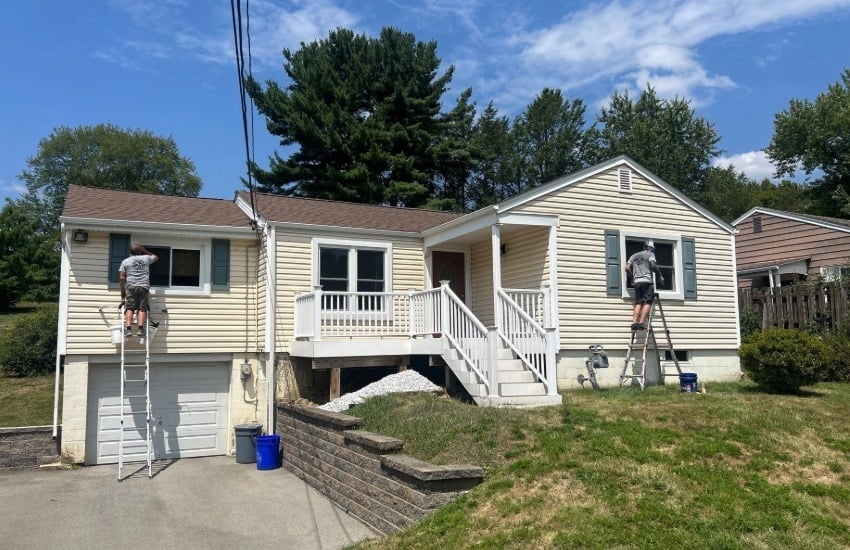
Why Are Window Replacement Costs So Different Between Companies?
Window replacement estimates often vary by thousands of dollars because you’re not just buying the product, you’re buying a whole system. Materials, labor, experience, and long-term support (aka warranty).
Even when two proposals look similar on the surface, they may differ in:
-
Window construction and materials
-
Installation process and installer experience
-
Warranty coverage and service support
-
Insurance and compliance
Understanding what’s behind the price helps explain why quotes don’t always line up neatly.
How Does Window Style, Size, and Material Affect Replacement Cost?
Window pricing isn’t just about size or material, it’s also about what’s inside. Style, frame material, and glass packages all impact cost and performance. Even “vinyl” windows can differ drastically depending on quality and construction.
Several product-related factors influence window pricing:
|
Window Factor |
How It Impacts Cost |
Why It Matters |
|
Window style |
Different styles have different base prices |
Casement and specialty shaped windows usually cost more than double-hung or picture |
|
Window size |
Larger and non-standard sizes increase cost |
More material and custom fabrication are required |
|
Custom vs. stock |
Custom windows are more expensive |
Built specifically for your opening, not mass-produced |
|
Frame material |
Vinyl $ < Fiberglass $$ < Wood $$$ |
Materials vary in durability, insulation, and longevity |
|
Glass package |
Performance upgrades raise price |
Triple-pane, Low-E, and gas fills improve efficiency |
Even within the same material category, there can be multiple quality tiers that look similar but perform very differently over time.
Do Higher-Priced Windows Offer Better Quality and Longevity?
As long as you are truly paying more because it is a higher quality model, then yes. The expensive window will offer better quality and longevity. Like many things, you get what you pay for.
With that in mind, not all windows are built to last. While budget models may look similar at first glance, they often lack the frame strength, reinforcement, and materials that protect against drafts and wear over time.
|
Feature |
Budget Windows |
Higher-Quality Windows |
|
Frame thickness |
Thinner walls |
Thicker, reinforced frames |
|
Reinforcement |
Minimal or none |
Composite, foam-filled, or aluminum |
|
Vinyl quality |
Recycled or lower-grade |
Virgin or engineered materials |
|
Hardware |
Basic locks |
Heavier-duty locking systems |
|
Longevity |
5-15 years |
30-50 years |
|
Glass |
Lower-grade insulated glass construction |
Better edge construction with higher quality Low-E performance |
That said, paying more only makes sense if the features actually match your home, climate, and long-term plans.
What Affects the Cost of Window Installation Between Providers?
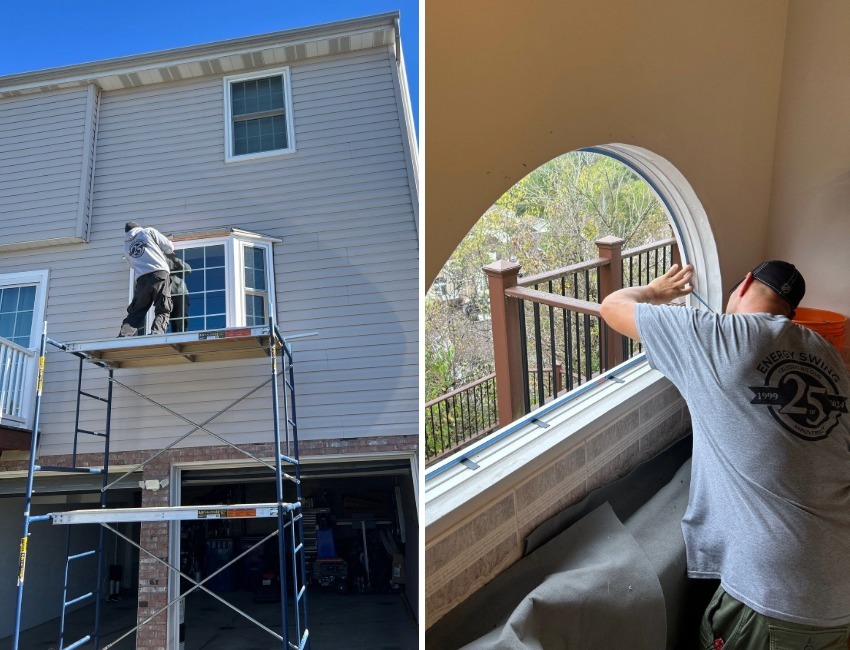
Installation quality is one of the biggest and most overlooked price differences. A high quality window that isn’t installed properly will not perform how it should.
Experienced window installers who specialize in replacement work typically cost more because:
-
They follow a consistent, proven installation process
-
They understand how specific window products are designed to perform
-
They take time to ensure proper sealing, insulation, and flashing on the inside and outside of your home
Cheaper installations often rely on general labor or installers who rotate between different trades. That may reduce upfront cost, but can increase the risk of drafts, water intrusion, or premature failure. Improper install will almost always void a manufacturer warranty.
How Does Labor Type (Employee vs Subcontractor) Impact Window Pricing?
Who installs your windows matters as much as what you install. Employee crews usually take more time but deliver more consistent quality. Subcontractor teams may cut corners to keep jobs profitable with a quick turnaround.
|
Installer Type |
How They’re Paid |
Typical Outcome |
|
Employee installers |
Hourly |
Slower, more detail-focused installs |
|
Subcontractors |
Per window or per job |
Faster installs, less consistency |
Labor structure impacts not only price but consistency and accountability.
Read our article on subcontractors vs employee installers to get a full scope of how your choice can affect your project.
How Permits, Insurance, and Compliance Affect Window Replacement Costs
At first glance, permits and insurance can feel like invisible line items, but they play a major role in why reputable window replacement companies may charge more.
Companies that operate responsibly factor in costs designed to protect homeowners, not cut corners. These typically include:
-
Workers’ compensation insurance: Required for employee installers and critical if someone is injured on your property. Construction injuries are expensive, and proper coverage protects homeowners from liability.
-
Liability insurance: Covers accidental damage to your home during installation. Homeowners insurance will not cover damages or poor quality work.
-
Permits and code compliance: Ensures windows are installed legally and according to local building standards.
These protections aren’t cheap, but they’re intentional. A company willing to carry proper insurance and pull required permits is investing in long-term accountability, not just getting through the job.
Lower-priced quotes sometimes come from companies that minimize or avoid these costs altogether. While that can reduce the upfront price, it may leave homeowners liable if an uninsured subcontractor gets hurt while working on your home.
In many cases, paying a little more means paying for peace of mind and for a company that’s structured to stand behind its work.
Does Customer Service Affect Window Replacement Cost?
A reputable company will likely have much better customer service. Similar to a “white glove experience,” you are going to be paying for higher attention to detail and communication.
Higher-priced companies often include:
-
Dedicated project coordination
-
Clear scheduling and communication
-
Ongoing updates before, during, and after installation
Because window replacement isn’t an instant purchase, consistent communication provides clarity and that level of service has real operational costs behind it. You feel like more than just a number waiting to be called.
Do Warranties Impact Window Replacement Costs?
They can, and they should be evaluated carefully. The best warranties cover product, labor, and service. Lower-tier warranties often stick you with labor and service costs if problems arise later.
|
Warranty Type |
What It Covers |
Common Limitations |
|
Manufacturer |
Window parts |
Often excludes labor and service |
|
Installation |
Workmanship |
Length varies widely |
|
Full coverage |
Product, labor, service |
Provides more value but typically costs more upfront |
Some lower-priced quotes rely heavily on manufacturer warranties that provide parts only, leaving homeowners responsible for labor and service coordination later.

Are Lifetime Window Warranties Worth Looking For?
“Lifetime” can mean very different things depending on who you choose to work with. It critical you read the fine print to see what is actually covered and for how long.
Before assuming more is better, look for:
- Written warranty documentation before signing
- Clear coverage for installation, labor, and service
- Defined terms and exclusions
A strong warranty backed by a stable company often costs more but can prevent frustration down the road.
How Does Financing Impact What You Pay for New Windows?
Financing doesn’t change the base price but it can affect what you pay over time.
Things to compare:
- Interest rate
- Term length
- Flexibility for early payoff
Some promotional offers sound attractive but include higher long-term costs. Understanding the full financial picture helps avoid surprises.
Here’s an example of how interest can affect the total cost of your project based on the term-length you choose.
Let’s say your full-home 10 window replacement project comes out to $14,500, in line with the average job we complete for Pittsburgh homeowners. Assuming no down payment, here’s how that could break down depending on the financing option you choose:
| Financing Plan | Term Length | Approx. Monthly Payment | Interest Rate | Total Paid |
| 12-Month Same-As-Cash | 1 Year | $1,208/month | 0% | ~$14,500 |
| 60-Month Plan | 5 years | $290–$325/month* | 6.99% | ~$17,400 |
| 180-Month Plan | 15 years | $140–$160/month* | 11.99% | ~$21,000 |
Financing can let you buy the windows you need to start capturing energy savings while avoiding future cost increases.

What Makes Some Window Companies Charge More Than Competitors?
Company structure plays a bigger role than you might think between national and local companies.
|
Factor |
Larger / National Companies |
Smaller / Local Companies |
|
Pricing model |
Standardized price lists |
More project-specific pricing |
|
Marketing costs |
Often higher (TV, radio, ads) |
Typically lower |
|
Flexibility |
Less customization |
More adaptability |
|
Warranty stability |
Often long-established |
Depends on longevity and local reputation |
Did you know (depending on time of day and market) a 30-second TV commercial can cost $15-$25 per 1,000 viewers for airtime.
Having higher overhead isn’t always bad, it actually can support long-term warranties and service. Just make sure it aligns with the value you receive.
Why Are Cheaper Window Replacement Quotes So Low?
Often, it’s because something important is missing.
Low window replacement quotes can be very tempting, especially when the final number is thousands less than other estimates. But in many cases, the lower price reflects tradeoffs that aren’t always obvious upfront.
Cheaper quotes may involve:
-
Lower-grade materials: Some windows are manufactured specifically to hit the lowest possible price point, using recycled or lower-quality vinyl that can become brittle or warp over time.
-
Minimal frame reinforcement: Reinforcement inside the window frame (composite, foam-filled, or aluminum) helps maintain shape and performance. Budget windows often skip this entirely.
-
Basic or rushed installation methods: Faster installs may rely heavily on surface caulking instead of proper flashing, insulation, and sealing.
-
The work is being done by an unlicensed, inexperienced, or improperly insured subcontractor.
-
Limited or unclear warranty coverage: Parts-only warranties or short-term coverage can leave homeowners paying out of pocket for service or labor later.
On the day of install, the two windows may look nearly identical. But after a few years of sun exposure, temperature swings, and normal use, performance differences tend to show up. Locks fail, frames shift, seals break, and drafts return.
When reviewing a low quote, it’s worth asking why it’s lower and what’s being excluded. A cheaper price isn’t automatically a bad choice, but it should always come with clear explanations and documentation so there are no surprises later.
How to Accurately Compare Window Replacement Quotes and Proposals?
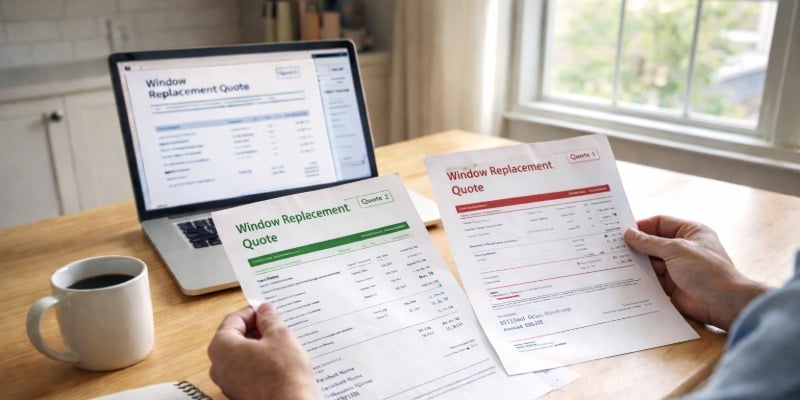
When multiple quotes are spread out in front of you, it’s easy to default to the bottom line. But this is where many homeowners get tripped up. Two proposals with the same price (or very different prices) may include very different scopes of work.
Instead of asking, “Which one is cheaper?” it’s more helpful to ask, “What am I actually getting for this price?” This comparison approach helps you slow down and evaluate the details that affect performance, longevity, and accountability.
|
Category |
What to Look For |
|
Product |
Frame material, reinforcements, glass package |
|
Installation |
Removal, disposal, flashing, sealing |
|
Warranty |
Who covers product, labor, and service |
|
Insurance |
Workers’ comp and liability coverage |
|
Reputation |
Third-party reviews (Google, Facebook) |
A clear, detailed proposal is often a sign of a company that values transparency.
When Is Paying More for Window Replacement Worth It?
It depends on your goals and overall needs for your home.
-
Long-term homeowners often benefit from higher-quality windows and stronger warranties.
-
Short-term sellers may prioritize budget-conscious solutions.
Just remember: newer doesn’t always mean better. In some cases, replacing high-quality older windows with low-grade new ones can be a step backward.
The #1 Mistake Homeowners Make When Comparing Window Replacement Price?
Assuming everything is equal. Especially the installation.
This is the most common (and costly) mistake homeowners make when comparing window replacement quotes. Because windows often look similar on paper, it’s easy to assume that the product, the install, warranty and service coverage are all basically the same and that price is the only real difference.
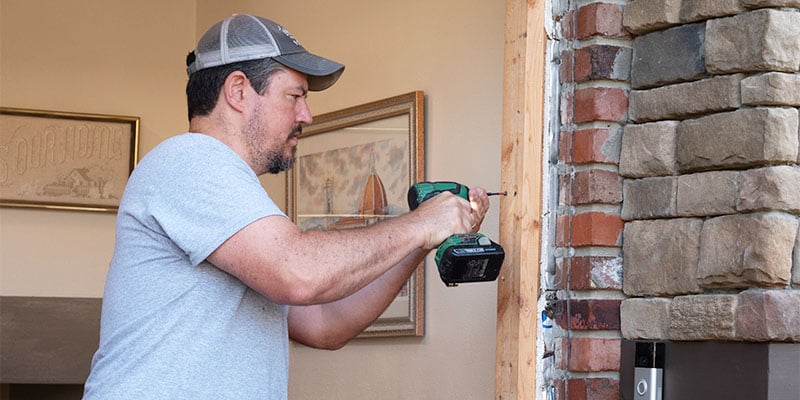
In reality, installation quality can vary dramatically from one company to another. Two contractors may be installing the same brand of window, but the results can be completely different based on:
-
The installer’s experience with that specific product
-
Whether the installation follows a documented, repeatable process
-
The materials used behind the scenes (flashing, insulation, sealants)
-
How much time installers are expected to spend on each window
When homeowners assume installation is interchangeable, lower-priced quotes feel like a no-brainer. But that mindset often leads to issues down the road. Drafts, water intrusion, failed seals, and service disputes that are expensive and frustrating to resolve.
Windows, installations, and warranties are not commodities. Treating them as equal removes the most important variables from the decision and that’s usually where problems begin.
Final Takeaways: How to Choose the Right Window Company With Confidence
Most homeowners feel overwhelmed when window quotes vary by thousands of dollars, and they’re unsure how to tell if they’re overpaying or risking a bad install.
Now you know: price differences usually come down to product quality, installation practices, labor models, warranty terms, and service standards. You’re not just comparing windows, you’re comparing the long-term value and trustworthiness of the company behind them.
Energy Swing has helped thousands of homeowners understand what really matters (and what doesn’t) when choosing a window company. Whether you’re comparing quotes or planning ahead, we believe informed decisions lead to better outcomes and fewer regrets.
Want to know what your window replacement should realistically cost? Try our Instant Price Estimator. Need help reviewing quotes? Reach out for a free consultation! Our team is happy to walk you through what’s included, what’s not, and what’s worth paying for.

Frequently Asked Questions About Window Replacement Costs
Why is one window replacement quote $5,000 higher than another?
Price gaps often come down to material quality, installation method, warranty coverage, and labor structure. Even if products look the same, what's beneath the surface—and who installs it—can dramatically affect long-term performance.
Are expensive windows always better?
Not always, but higher-priced windows usually offer thicker frames, stronger reinforcements, premium hardware, and longer-lasting materials. The key is matching features to your needs, not just your budget.
Should I be concerned if a quote doesn’t mention permits or insurance?
Yes. If a company doesn’t include insurance, permits, or code compliance, it may expose you to liability or failed inspections. These are signs of a cut-rate or corner-cutting operation.
What’s the difference between employee and subcontractor installers?
Employee installers are typically slower but more consistent—they're trained to the company’s standards. Subcontractors are often paid per window and may rush jobs, which can lead to issues down the road.
What type of warranty should I look for?
The best window warranties cover the product, labor, and service. “Lifetime” warranties vary widely, so always ask for written terms that explain what’s actually covered—and for how long.
How do I know if I’m comparing quotes fairly?
Ask each company to detail their product specs, frame material, reinforcement type, glass package, install method, cleanup, warranty terms, and service plan. If it’s vague, it’s probably hiding something.
Is it worth paying more for a top-rated company?
If you plan to stay in your home long-term or want lasting performance and peace of mind, yes. High-quality installs and strong warranties protect your investment—and can save you from repeat replacements.
Topics: