


If certain rooms in your home feel cold and drafty even with the heat running, you’re not imagining things. Uneven temperatures, rising energy bills, and that unmistakable chill near your windows are signs something’s wrong, but it’s not always clear what.
At Energy Swing Windows, we’ve helped hundreds of homeowners in the Pittsburgh area identify the real sources of window-related discomfort. And what we’ve found is that many so-called “drafts” aren’t caused by what you think, and the most common fixes don’t work long-term.
In this article, we’ll break down the most misunderstood causes of cold rooms, debunk the myths about window drafts, and show you what actually works to make your home warmer and more comfortable this winter… and when it’s time to stop patching and consider replacement.
Table of Contents
- What Should I Look for in a Draft-Resistant Replacement Window?
-
Frequently Asked Questions About Cold Homes and Window Drafts

What Are the Most Common Myths About Window Drafts?
When your house feels cold no matter how high you turn the heat, it’s natural to start guessing… “Is it the windows? Are they just old? Is something more serious wrong with our house?” Unfortunately, a lot of well-intended advice out there oversimplifies the problem and sends homeowners chasing the wrong fix.
Before jumping to conclusions, it helps to clear up some of the assumptions many homeowners make about cold rooms and drafty windows.
Are My Windows Drafty Just Because They’re Old?
Not automatically.
Age alone doesn’t cause drafts. However, older windows have been exposed to years of sun, cold, moisture, and movement, which increases the likelihood of issues over time.
Older windows are more likely to have:
- Outdated glass that allows cold to radiate inward (less insulated)
- Warped frames from years of expansion and contraction
- Dried or deteriorated seals and weatherstripping
In other words, age isn’t the problem by itself; exposure and wear over time are.
Does Caulking Around My Windows Permanently Fix Drafts?
Caulking can help, but it’s not a permanent solution so it’s important to understand its limits.
Fresh exterior caulking can:
- Slow air entering the wall cavities
- Reduce moisture intrusion
- Improve short-term comfort
However, caulk does not fix internal installation gaps, frame movement, or failing seals. In many homes, air enters around the window but exits somewhere else entirely, such as outlets, baseboards, or trim.
Does Adding Plastic Film Actually Keep My Home Warmer?
Surprisingly, yes. It can be an effective temporary fix.
Plastic window film kits:
- Block airflow
- Improves comfort during cold months
- Makes drafts more visible as the film expands and contracts with air movement
They can make rooms feel warmer, but they don’t fix the underlying problem and don’t offer meaningful long-term energy savings. If this is a solution you are considering, Frost King provides a kit that works well and is available at more retailers, like Loew's or Amazon.
If I Feel Cold Air, Does That Mean My Windows Are Leaking?
Not always.
Many homeowners confuse cold air leakage with cold air radiation. Older or inefficient glass allows outdoor temperatures to transfer through the glass, making the surrounding air feel colder even when no air is moving.
| What You’re Experiencing | What’s Likely Happening | What It Means |
|---|---|---|
| You feel a breeze near the window | Air is leaking through gaps or failed seals | The window or installation may be allowing outside air in |
| The area feels cold, but there’s no airflow | Cold glass is radiating temperature inward | The glass is inefficient, not necessarily leaking air |
| One side of the room feels colder | Uneven heat transfer through the glass | Older or outdated glass technology |
| Plastic film moves or tightens | Active airflow is present | Drafts are contributing to discomfort |
Modern windows use insulating gas (like argon) between panes to reduce this effect.
This same issue often shows up as foggy or wet windows, which we break down in our article explaining why condensation forms on windows and what it can tell you about insulation, airflow, and window performance.
What Actually Causes Window Drafts?
This is where things get frustrating. Not all drafts come from obvious gaps or cracks you can see or feel. And they don’t always come from where they feel like they’re coming from. In many homes, the real issue is hidden behind trim, inside walls, or tied to how the window was installed years ago.
Could the Problem Be My Window Frames?
Yes. Frame design and condition matter.
Common frame issues include:
- Wood frames that have warped or developed rot
- Aluminum frames that are excellent conductors, pulling heat out of the air
- Vinyl frames with mechanically fastened corners that loosen over time
- Older designs that allow air movement at joints
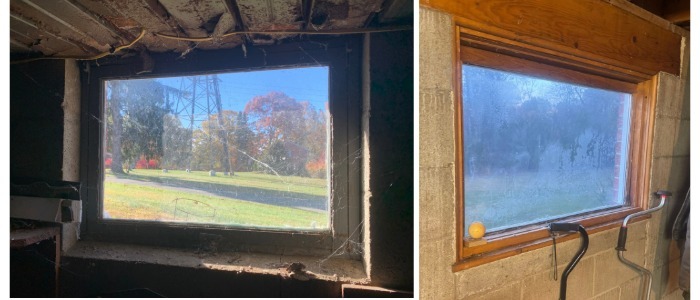
Left: Dated aluminum window frame.
Right: Dated Wooden Frame with condensation between glass.
Welded vinyl frames typically perform better because the corners are permanently sealed and the vinyl is melted together to join the corners.
Can Faulty Installation Make My Home Feel Colder?
Absolutely, and this is one of the most common causes of drafts.
Installation problems may include:
- Improper shimming or support is causing the window to move and distort
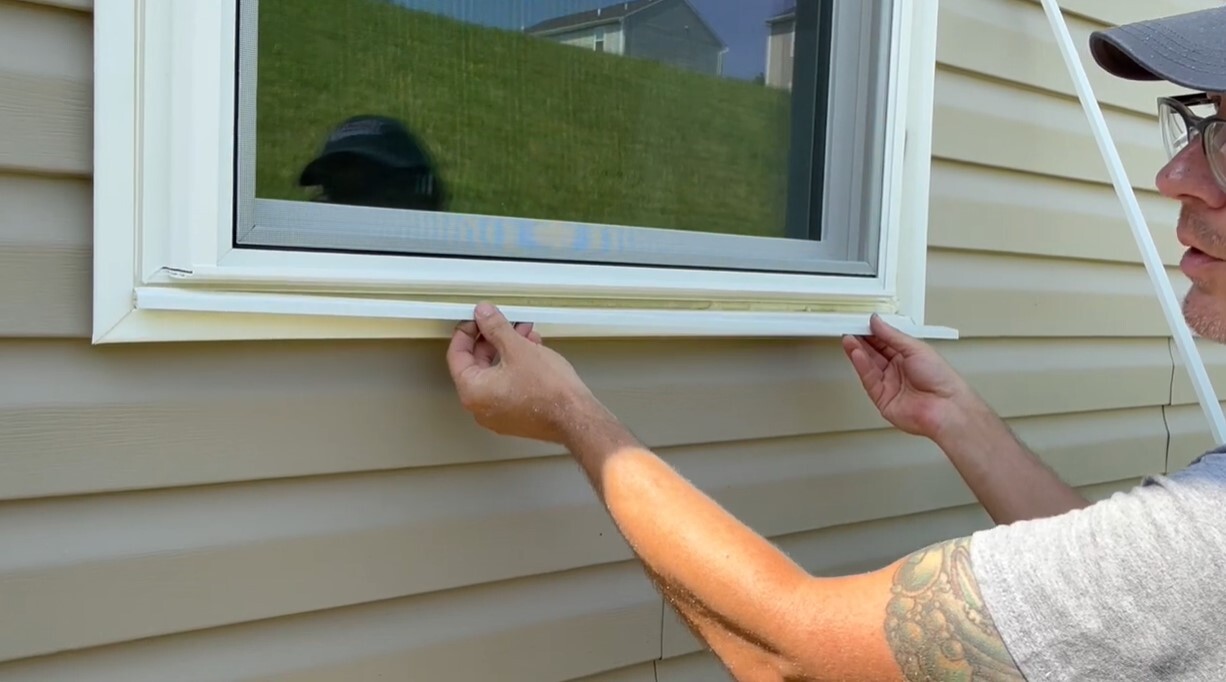
- Old, cracked, or poorly applied caulking
- Inadequate or missing insulation around the frame
- Missing or improper flashing
- Gaps that worsen as the home settles
Even a high-quality window cannot perform well if it wasn’t installed correctly.
If you’ve ever wondered what installers actually do behind the trim and why it matters so much, our article on what really goes into a professional window installation and how it affects comfort long-term walks through the details homeowners rarely get to see.
Are My Window Seals and Weatherstripping Failing?
Over time, weatherstripping and seals naturally break down.
Signs include:
-
Cracked rubber gaskets
-
Missing or crumbling felt weatherstripping
-
Loose sashes that no longer compress tightly
Once seals fail, air has a direct path inside your home.
Is the Glass Itself Making My House Cold?
Yes, especially if the window is old and lacks modern insulation features.
Cold glass is often caused by:
- Missing argon gas between panes
- No Low-E coating
- Single-pane or early-generation double-pane glass
The colder the glass surface, the more noticeable the temperature difference inside your home.
How does Low-E work? The coating reflects heat inside during cold months in the winter and reflects the heat from the sun during hot summer months.
How Can I Tell If My Windows Are Really the Problem?
Before you assume the worst (or start pricing out replacements), it helps to slow down and gather a little clarity. A cold room doesn’t automatically mean you need all new windows, and there are a few ways to start narrowing where the discomfort is actually coming from.
What At-Home Draft Tests Can I Try?
You can try:
- Candle or lighter test: Watch for flickering near window edges to detect airflow
- Thermal imaging: Identifies cold spots, but you need to invest in the right tool (best in proper conditions)
Keep in mind: these tests depend heavily on weather conditions and temperature differences and often need a professional to make a proper analysis.
Could the Draft Be Coming From Somewhere Other Than My Windows?
Yes. Common non-window sources include:
- Exterior doors
- Electrical outlets
- Baseboards
- Attic access points
- HVAC distribution issues (especially upstairs rooms)
Air entering around windows often travels through wall cavities and exits elsewhere, making the source harder to pinpoint.
Fixing Cold Rooms: What Actually Works for Window Drafts?
Once you’ve been dealing with a draft for a while, it’s easy to feel stuck choosing between temporary fixes and expensive upgrades. The truth is, some solutions really do help while others can just make the problem easier to live with for another winter.
Here’s a realistic breakdown of solutions from short-term to long-term.
Are Any Quick, Low-Cost Fixes Worth Trying?
Short-term options include:
- Re-caulking exterior gaps
- Replacing worn weatherstripping
- Installing temporary window film
These can improve comfort but usually indicate a window is nearing the end of its effective lifespan.
When Does Professional Repair Make a Real Difference?
Professional repair may help when:
- Frames are slightly out of alignment
- Weatherstripping can be replaced
- Minor installation issues can be corrected
However, repeated yearly fixes (like plastic film every winter) often mean replacement is becoming the more practical option.
When Is Window Replacement the Best Long-Term Solution?
Replacement is typically the right move when you’re dealing with:
- Chronic drafts
- Failed glass seals
- Rotting or warped frames
- Outdated glass technology
- Excessive condensation on the glass or frame
- Ongoing energy loss
At that point, repairs become costly band-aids rather than solutions.

What Should I Look for in a Draft-Resistant Replacement Window?
If replacement starts to become part of the conversation, it can quickly feel overwhelming. Understanding what affects comfort and what features matter most in colder climates like Pittsburgh can help you make a confident decision instead of a rushed one.
Which Window Materials Perform Best in Cold Climates?
| Material | Pros | Considerations |
|---|---|---|
| Wood | Beautiful, classic look | High maintenance, moisture risk |
| Vinyl | Low maintenance, good insulation | Quality varies by design |
| Fiberglass | Strong, stable | Higher upfront cost |
For Pittsburgh homes, vinyl and fiberglass tend to perform best.
What Makes a Window Truly Energy Efficient?
Key features include:
- Double or triple-pane glass
- Insulated frames
- Improved glass technology
- Low-E coatings
- Argon gas fill
- Warm-edge spacers to reduce condensation
Together, these features limit heat transfer and cold radiation.
Does Installation Matter More Than the Window?
In many cases, yes.
A skilled installer can make a basic window perform better, while poor installation can undermine even the best product. Climate-specific installation practices are especially important in Allegheny, Westmoreland, and Washington counties.
How Do I Keep My Home Warmer After Fixing Window Drafts?
Even after addressing window issues, many homeowners still worry about cold rooms creeping back in. That’s because comfort isn’t about one fix; it’s about how your entire home works together to keep heat where it belongs.
What Other Home Improvements Help Reduce Cold Drafts?
- High-efficiency HVAC systems
- Proper attic insulation
- Door weatherstripping
- Air sealing any visible cracks throughout the home
Windows work best as part of a complete, sealed building.
When Should I Call a Window Professional?
There’s a point where the cold stops being a minor annoyance and starts affecting how you use your home. Knowing when to bring in a professional can help you avoid ongoing frustration and prevent small issues from turning into bigger ones.
What Are the Red Flags That Point to Professional Help?
- Condensation between panes
- Mold, rot, or water damage
- Noticeable cold through the glass
- Drafts that persist after quick fixes
These often indicate deeper issues that DIY solutions won’t solve.
What Will a Professional Look for During an Evaluation?
A proper evaluation includes:
- Frame and structural inspection
- Installation quality
- Glass age and efficiency
- Operation and sealing
This helps identify whether repair or replacement makes the most sense.

What’s the Next Step If Your Home Still Feels Cold?
At the end of the day, dealing with a cold, drafty home isn’t just about comfort; it’s about uncovering the real reason your heating system can’t keep up. Now that you understand why common draft myths often lead to the wrong fixes, you’re in a much better position to identify what’s actually going on with your windows.
Remember: discomfort near windows doesn’t always mean they’re leaking air. It could be cold glass, failing seals, or even poor installation hiding behind the trim. That’s why guessing or relying on seasonal quick fixes usually leads to the same problems year after year.
If you’re ready to stop guessing and start solving, your next step is to schedule a professional window evaluation. You’ll get clarity on what’s really causing the cold, and whether repair or replacement is the smarter move for your home.
At Energy Swing Windows, we specialize in helping Pittsburgh homeowners take the guesswork out of window comfort. Whether your issue is small or systemic, we’ll help you find the right solution with no pressure, just answers.

Frequently Asked Questions About Cold Homes and Window Drafts
Do new windows instantly make your home feel warmer?
In many cases, yes. Homeowners often notice improved comfort right away because modern windows reduce cold air leakage and limit cold temperature transfer through the glass, allowing rooms to maintain heat more evenly.
Is it normal to feel a little cold near windows in winter?
Some temperature difference is normal, especially during extreme cold. However, excessive cold near windows may indicate outdated glass, missing insulating gas, failing seals, or installation issues that reduce comfort more than necessary.
Can drafty windows increase my heating bill?
Yes. When cold air enters — or heat escapes — your furnace has to run more often to maintain temperature. Over time, this increased workload can noticeably raise heating costs.
How can I tell the difference between a draft and cold glass?
A true draft involves moving air, which you can often detect with a candle or tissue test. Cold glass, on the other hand, feels chilly without airflow and is usually caused by inefficient or outdated glass that allows outdoor temperatures to radiate inward.
Are temporary fixes like plastic window film worth using?
Plastic film can improve comfort short term by blocking airflow, but it does not address the underlying window issue. If you rely on it every winter, it’s often a sign that repair or replacement should be considered.
Should I repair or replace drafty windows?
Repair may make sense if the issue is limited to weatherstripping, minor alignment, or exterior sealing. Replacement is typically the better option when drafts are ongoing, seals have failed, frames are damaged, or the glass is outdated and inefficient.
Can window drafts come from poor installation rather than the window itself?
Yes. Improper installation is one of the most common causes of drafts. Even high-quality windows can perform poorly if they aren’t sealed, insulated, or supported correctly.
Topics:







.jpg?width=1200&height=550&name=Copy%20of%20Copy%20of%20ESW%20Collage%20Template%20(3).jpg)
