
If you’ve started getting quotes for replacement windows, you may have heard terms like “mulled” and “non-mulled” windows and thought… wait, what does that even mean?
You’re not alone.
This is one of those behind-the-scenes window terms that contractors use all the time, but most homeowners aren’t familiar with. Choosing the wrong window configuration can affect how your windows look, how they’re installed, and even how much your project ends up costing. And if you don’t fully understand the difference, it’s easy to feel unsure about what you’re actually being quoted.
The good news? It’s actually pretty simple once you break it down.
Energy Swing Windows & Doors has been helping Western PA homeowners replace their windows for over two decades, so we understand how to find the best solution for your project.
In this guide, we’ll break down exactly what mulled and non-mulled windows are, how they impact your project, and how to confidently decide which option makes the most sense for your home.
Key Takeaways: Mulled vs. Non-mulled Windows
- Mulled windows are multiple windows joined together
- Non-mulled windows are standalone units
- Neither option is inherently better, it depends on your home and installation
- Installation quality plays a bigger role than configuration
Table of Contents
- What Is a Mulled Window?
- What Is a Non-Mulled Window?
- Mulled vs. Non-Mulled: Key Differences
- Why Windows Are Mulled
- When to Mull vs. Not Mull
- Pros and Cons
- Installation Differences
- Cost Differences
- Replacing Mulled Windows
- Energy Efficiency
- What They Look Like
- Should You Mull Windows?
- Questions to Ask
- Final Thoughts
- FAQs
What Does “Mulled Window” Mean?
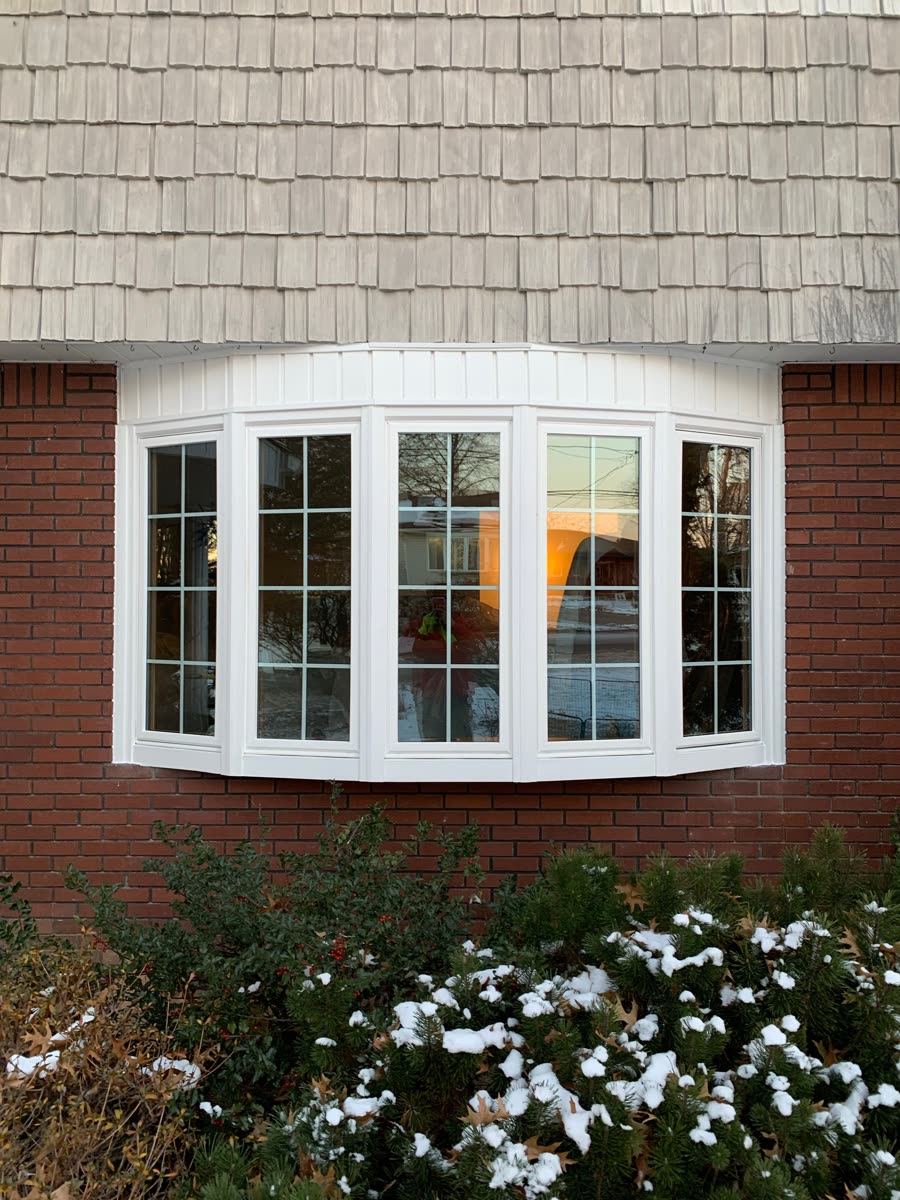
A mulled window is when two or more windows are joined together to form one larger unit.
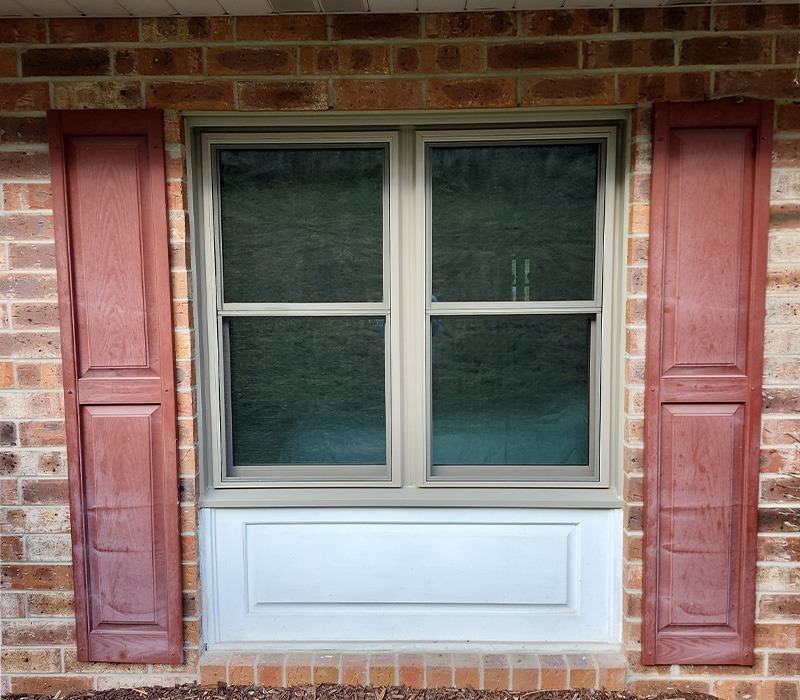
These windows can be:
- Side-by-side (most common)
- Stacked vertically
- Combined in custom configurations
For example:
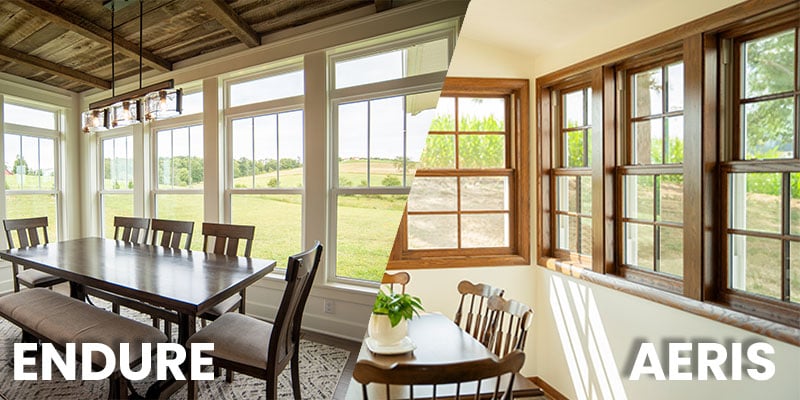
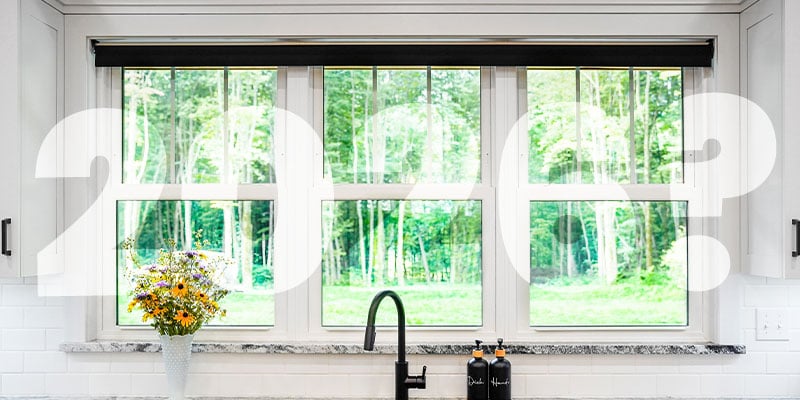
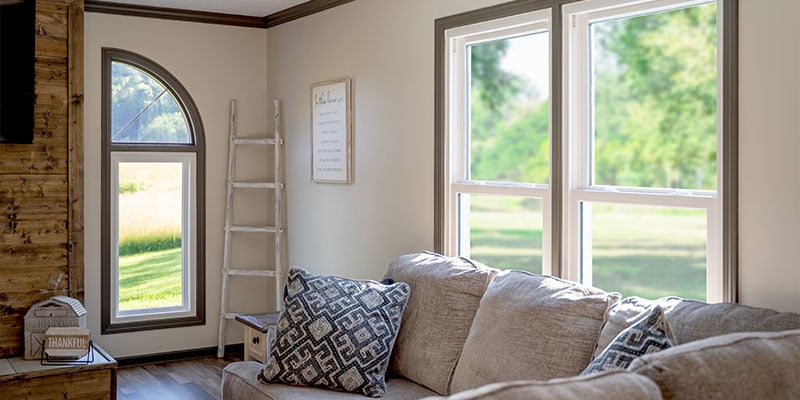
- Two double-hung windows next to each other
- A large picture window with casement windows on each side
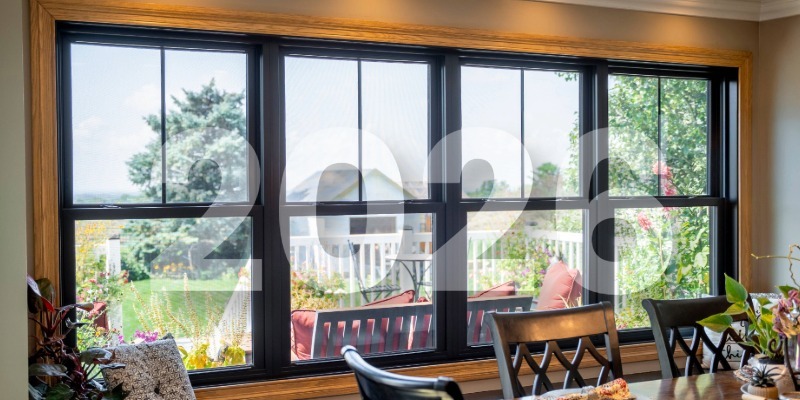
- Three windows across the front of a home
In many homes, especially older ones, you’ll find mulled windows in large openings where a single window wouldn’t make sense.
What Does “Non-mulled Window” Mean?
A non-mulled window is simply a standalone window unit.
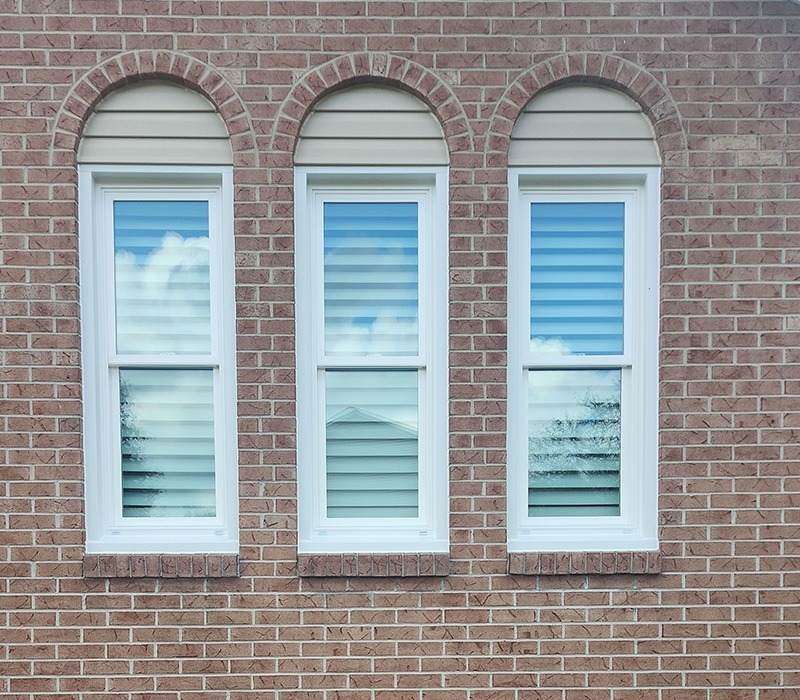
It has:
- One frame
- One opening
- No other windows physically attached to it
Even if a window has multiple moving parts (like two sashes in a double-hung), it still counts as one non-mulled window because it’s all within a single frame.
What Is the Main Difference Between Mulled and Non-mulled Windows?
At a high level, the difference comes down to whether windows are connected together or installed separately.
Mulled vs. Non-mulled Windows
|
Feature |
Mulled Windows |
Non-mulled Windows |
|
Structure |
Multiple windows joined together |
Single, independent unit |
|
Installation |
Installed as one unit (or connected on-site) |
Installed separately |
|
Appearance |
Larger, more continuous look |
More separation between units |
|
Flexibility |
Less flexible to change later |
Easier to modify or replace |
Quick takeaway:
Mulled windows are individual window units joined together to form one larger unit installed in a single opening, while non-mulled windows are separate units installed individually within the same opening.
Why Do Builders and Contractors Mull Windows Together?
There are a few common reasons windows are mulled:
1. To Fill Larger Openings
If you have a wide opening (like 60 inches or more), it often makes more sense to use:
- Two or more windows mulled together
instead of - One oversized window that may look out of place
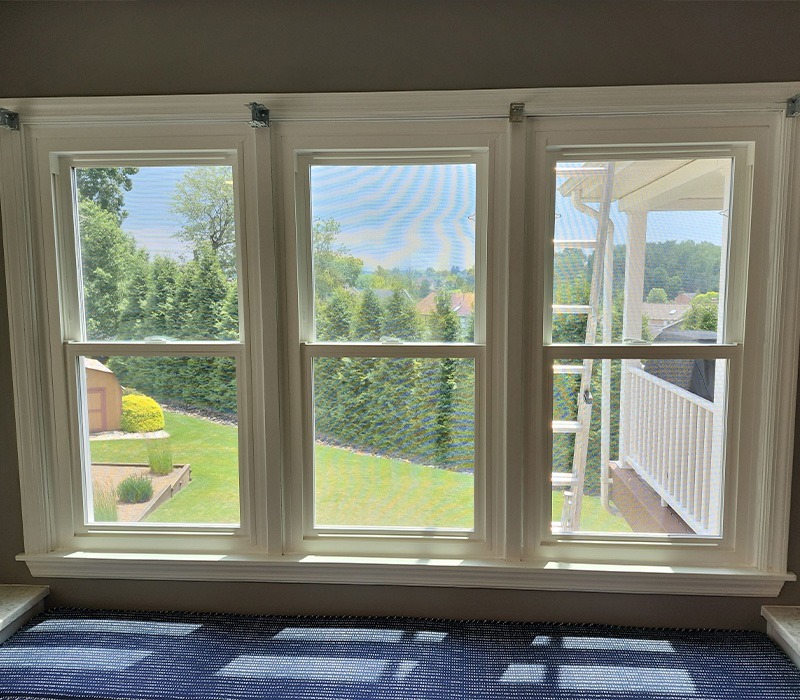
2. For Aesthetics
Mulled windows can create:
- A more balanced look
- Better symmetry across the home
- Opens up the room letting in more light while providing an enhanced view.
3. To Match Design Intent
Builders often mull windows to:
- Maximize natural light
- Create focal points (like front-of-home picture windows)
When Should Windows Be Mulled vs. Left Non-mulled?
There’s no one-size-fits-all answer, it depends on your home and goals.
Mulled windows often make sense when:
- You have a large opening to fill
- You want a consistent, symmetrical look
- You’re matching an existing design
Non-mulled windows are often better when:
- Are dealing with existing single window openings.
- You’re working with standard-sized openings
- You want easier installation and repair options
A good rule of thumb:
If your current windows are mulled, many homeowners choose to replace like-for-like unless there’s a strong reason to change.
Are Mulled Windows Better Than Non-mulled Windows?
Not necessarily, this is where a lot of confusion comes in.
Neither option is “better” across the board.
It really depends on installation quality and your goals.
|
Mulled Windows |
Non-mulled Windows |
|
|
Pros |
• Clean, cohesive appearance • Great for large openings • Can enhance curb appeal |
• Easier to repair or replace individually • More flexibility in layout • Often simpler installation |
|
Cons |
• Harder to replace just one section later • Heavier and sometimes more complex to install • May require more planning |
• Slightly more visual separation • May not look as seamless in large openings |
How Do Mulled Windows Affect Installation?
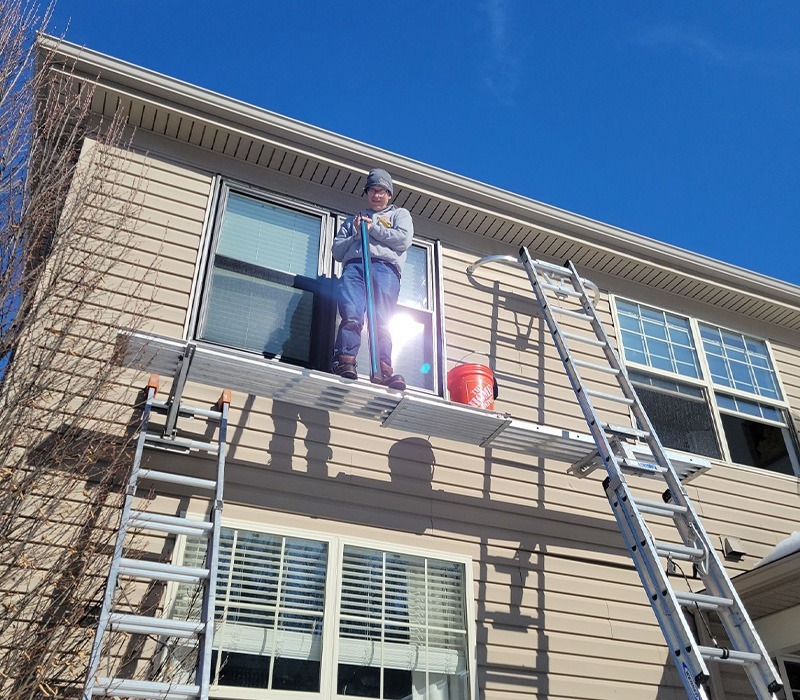
Mulled windows can be installed in two main ways:
1. Factory-Mulled Windows
- Built as one unit in the factory
- Installed as a single assembly
- Typically faster and more consistent
- More difficult to get the installation right
2. Field-Mulled Windows
- Connected together on-site during installation
- May require added materials (like the wood framing between units)
- Can take more time depending on the setup
The installation method can impact:
- Labor time
- Structural support
- Overall performance
Wondering how Energy Swing installs windows? Check out this article that breaks down our installation process from start to finish.
Do Mulled Windows Cost More Than Non-mulled Windows?
In many cases, yes but not for the reason you might think.
It’s not just about “mulled vs. non-mulled” it’s about:
- Number of windows
- Installation complexity
- Finishing work
For example:
- Two mulled windows will usually cost more than one single window (because you’re buying two units)
- But the installation method and finishing details can also impact the final price

Can You Replace Mulled Windows Individually?
Sometimes but it’s not always straightforward.
If you separate a mulled unit into individual windows:
- You may need new interior trim or woodwork
- There could be visible gaps or structural changes
- Additional finishing work is often required
That’s why many homeowners choose to replace mulled windows as a complete unit.
Do Mulled Windows Impact Energy Efficiency?
Not inherently.
Energy efficiency depends much more on:
- Installation quality
- Insulation
- Window construction
If a mulled unit is:
- Properly sealed
- Properly insulated
…it should perform just as well as separate windows.
However, poor installation (like gaps or uninsulated mull areas) can lead to energy loss.
According to the U.S Department of Energy, 25%-30% of home’s heating and cooling energy loss is from windows.

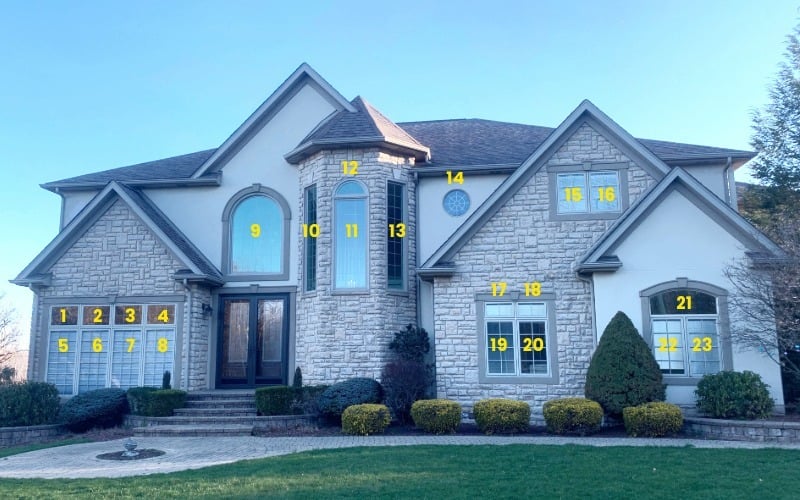
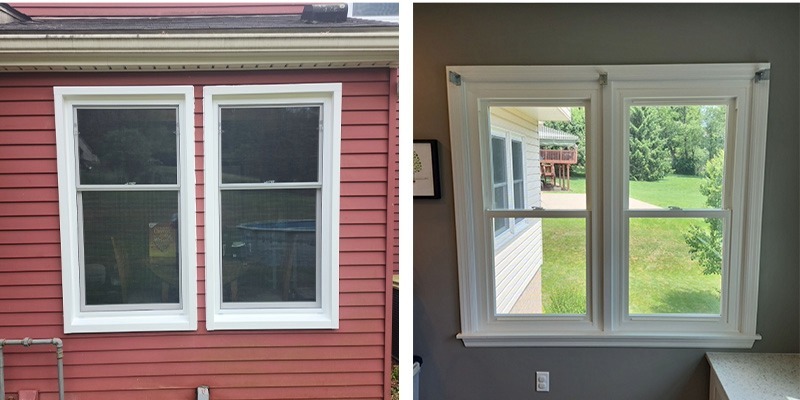
What Do Mulled vs. Non-mulled Windows Look Like?
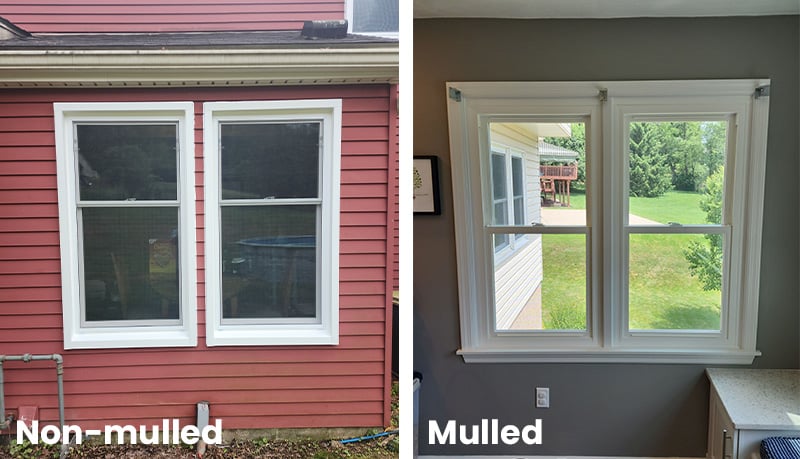
Here’s the easiest way to spot the difference:
- Non-mulled window:
- One continuous frame
- No breaks between units
- Mulled window:
- Multiple frames joined together
- Visible vertical or horizontal connection points
Should You Mull Windows During a Replacement Project?
It depends on your priorities.
You may want to mull windows if:
- You want to maintain your home’s current look
- You’re filling a large opening
- You value symmetry and design consistency
You may not want to mull windows if:
- You’re trying to simplify future repairs
- You’re changing the layout or style
- You’re prioritizing flexibility
One important note:
Some companies may suggest removing mulls to lower the price, but that can sometimes lead to a design that doesn’t match the rest of your home.
Before reaching out to a contractor it's important to know how many windows you want replaced. Check out this article on how to properly count your windows so you can get an accurate quote on your project.
What Questions Should You Ask Your Window Company About Mulling?
Before making a decision, it’s worth asking:
- Are these windows being mulled in the factory or on-site?
- Can individual sections be replaced later?
- How will this affect the final appearance?
- Will this match the rest of my home’s windows?
- Why are you recommending mulled vs. non-mulled here?
These questions can help you avoid surprises and make sure you’re getting the right solution, not just the lowest price.
Final Thoughts
By now, you should have a clear understanding of what mulled and non-mulled windows are and, more importantly, how each option can impact your home, your installation, and your long-term flexibility.
The key takeaway is simple: neither option is universally better. The right choice depends on your home’s layout, your design goals, and how you want your windows to function over time.
If you’re replacing existing windows, it often makes sense to start by understanding what you currently have and why it was designed that way. From there, you can decide whether to keep that configuration or make a change that better fits your goals.
And if you’re still unsure, that’s completely normal. These decisions can feel technical, but they don’t have to be overwhelming when you have the right guidance.
If you’d like help evaluating your current windows or figuring out the best setup for your project, the next step is simple: talk it through with a professional who can walk through your home and give you clear, honest recommendations.
Schedule a consultation, and we’ll help you make the right choice with confidence.

FAQ: Mulled vs. Non-mulled Windows
What is a mulled window?
A mulled window is made by joining two or more windows together to create one larger unit. These windows can be connected side-by-side or stacked, depending on the design and size of the opening.
What is an non-mulled window?
An non-mulled window is a single, standalone window unit. It has one frame and is installed independently, even if it has multiple sashes within that frame.
Are mulled windows better than non-mulled windows?
Not necessarily. Both options can perform well if installed correctly. Mulled windows often offer a more seamless look, while non-mulled windows provide more flexibility for repairs and future replacements.
Can mulled windows be replaced individually?
In some cases, yes but it’s not always simple. Separating a mulled unit may require additional interior trim work or structural adjustments, which can add time and cost to the project.
Do mulled windows cost more than non-mulled windows?
They can. Since mulled windows typically involve multiple units joined together, material and installation costs may be higher. However, the final price depends on the size, configuration, and scope of work.
Do mulled windows affect energy efficiency?
Not on their own. Energy efficiency depends more on installation quality and insulation. A properly installed mulled window should perform just as well as separate units.
Should I keep my windows mulled during a replacement project?
In many cases, homeowners choose to replace windows in the same configuration (mulled or non-mulled) to maintain the home’s appearance. However, this depends on your goals, budget, and design preferences.
Topics: