
Originally Published: 7/17/2025. Updated: 2/27/2026
Are you trying to decide if vinyl windows are the right choice for your home but keep hearing conflicting opinions?
Maybe you’ve heard they’re affordable and low-maintenance… but you’re wondering how they actually perform in Pittsburgh’s freezing winters, humid summers, and everything in between.
At Energy Swing, we’ve helped thousands of Western Pennsylvania homeowners compare window materials, and vinyl windows are easily one of the most common options people ask about.
In this guide, you’ll learn:
-
What vinyl windows are
-
How energy efficient they really are
-
The biggest pros and most common drawbacks
-
How they compare to fiberglass, wood, and aluminum
-
What they cost in Pittsburgh
-
And how long they typically last
By the end, you’ll have a clear, unbiased understanding of whether vinyl windows make sense for your home, your goals, and your budget.
What Are Vinyl Windows?
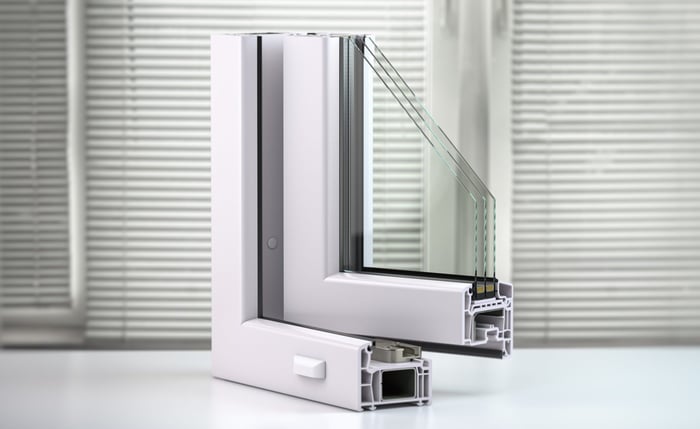
Vinyl windows are replacement windows made from polyvinyl chloride (PVC), a durable, moisture-resistant material.
Unlike wood windows, which can absorb moisture, or aluminum windows, which conduct heat easily, vinyl is engineered to resist rot, corrosion, and temperature transfer.
Most vinyl window frames are built with multi-chambered construction, meaning the inside of the frame contains insulated pockets that:
-
Reduce heat transfer
-
Improve structural strength
-
Help dampen outside noise
Vinyl can also be reinforced with metal or composite materials for added durability, especially in higher-end models.
How Do They Work?
They’re available in every standard replacement window style, including:
-
Double-hung
-
Casement
-
Sliding
-
Picture
-
Bay and bow
Vinyl windows are typically paired with insulated glass units (IGUs), which may include double- or triple-pane glass, Low-E coatings, and argon gas fills to enhance energy efficiency.
According to the U.S. Department of Energy, heat gain and heat loss through windows are responsible for 25%–30% of residential heating and cooling energy use.
In short: vinyl windows function like other modern windows — but the frame material is what sets them apart.
Key Facts About Vinyl Windows
- Made from polyvinyl chloride (PVC)
- Designed with multi-chambered insulated frames
- Typically paired with double- or triple-pane glass
- Low maintenance and moisture-resistant
- Available in most standard window styles
Are Vinyl Windows Energy Efficient?
This is one of the most important questions homeowners ask — especially in Pittsburgh’s four-season climate.
The short answer: Yes, high-quality vinyl windows can be very energy efficient. But performance depends on more than just the frame.
Energy efficiency comes down to:
- Multi-chambered insulated frames
- Low-E (low emissivity) glass coatings
- Argon or krypton gas between panes
- Professional installation that seals out drafts
In colder climates like Western Pennsylvania, the glass package and installation quality often matter more than the frame material alone.
When properly built and installed, vinyl windows can:
- Reduce heat loss in winter
- Limit heat gain in summer
- Lower energy bills
- Improve overall indoor comfort
That said, not all vinyl windows are created equal. Lower-end models may lack reinforcement or advanced glass options, which can impact long-term performance.
You can also check the current ENERGY STAR performance requirements for Northern climate zones to understand what ratings matter most in Western Pennsylvania.
What Are Four of the Biggest Advantages of Vinyl Windows?
Vinyl windows are one of the most popular window materials in Pennsylvania, and for good reason.
Here are the biggest benefits homeowners in Pittsburgh often appreciate:
1. They’re Cost-Effective
Vinyl windows are typically more affordable than wood, fiberglass, or composite options.
They’re often a practical choice if you’re:
- Replacing multiple windows at once
- Renovating within a set budget
- Planning to stay in your home for 10–20 years
They offer solid performance without the premium price tag of some alternative materials.
2. Low Maintenance
Unlike wood windows, vinyl doesn’t need to be:
- Painted
- Stained
- Sanded
It resists moisture, rot, and insect damage. In most cases, a simple wipe-down keeps them looking clean.
For busy homeowners, that simplicity is a major advantage.
3. Good Insulation & Noise Reduction
Thanks to insulated glass units and multi-chambered frames, vinyl windows can help:
- Reduce drafts
- Improve indoor comfort
- Dampen outside noise
If you live near a busy road or neighborhood activity, that added sound control can make a noticeable difference.
4. Widely Available & Efficient to Install
Because vinyl windows are so common, they’re generally:
- Easier to source
- Available in many standard sizes
- Faster to install
That can mean shorter lead times and less disruption during your replacement project.
Still unsure if vinyl is the right fit for your home? Dive deeper into how vinyl windows perform in Pittsburgh’s unique climate. Read Are Vinyl Windows Good for Pittsburgh Homes to get a full breakdown on what window material is best for Pittsburgh homes.
What Are Four Downsides of Vinyl Windows?
While vinyl windows are a popular and affordable choice, they aren’t perfect for every homeowner or situation. It’s important to understand the potential drawbacks so you can make a fully informed decision.
Here are the most common drawbacks to consider:
1. Limited Color & Design Flexibility
Most vinyl windows come in neutral tones like white or sandstone. While some manufacturers offer additional options, vinyl doesn’t provide the same level of customization as wood or fiberglass.
If you’re aiming for a very specific painted finish or architectural detail, vinyl may feel limited.
2. Potential for Warping in Extreme Heat
Lower-quality vinyl windows can soften or warp when exposed to prolonged, direct sunlight — particularly on south-facing walls.
Pittsburgh isn’t Phoenix, but temperature swings still matter. Reinforced, well-constructed vinyl significantly reduces this risk.
3. Difficult to Repair
If a vinyl frame cracks or becomes damaged, it usually can’t be refinished or patched. In most cases, the affected component needs to be replaced.
Wood and fiberglass may offer more repair flexibility in that regard.
4. May Not Add the Same High-End Appeal
For luxury homes or historic renovations, vinyl may not provide the same aesthetic value as real wood or premium composite materials.
How Do Vinyl Windows Perform in Pittsburgh’s Climate?
If you live in the Pittsburgh area, you already know that our climate throws a little bit of everything at your home: freezing winters, hot and humid summers, heavy rainfall, and seasonal temperature swings.
So how does vinyl hold up?
When properly built and installed, vinyl windows can perform well in all four seasons. The key is choosing:
- Reinforced frames
- High-performance glass packages
- A professional installation team that understands local climate demands
Lower-end products may struggle in extreme temperature fluctuations, but quality vinyl windows designed for Northern climates can handle Western Pennsylvania weather effectively.
How Do Vinyl Windows Compare to Other Materials?
If you’re weighing your options, here’s a side-by-side look at common window materials for Pittsburgh homeowners:
| Window Material | Pros | Cons | Typical Cost in Pittsburgh |
|---|---|---|---|
| Vinyl | Cost-effective, low maintenance, energy efficient | Limited color options, difficult to repair | $1,000–$2,200 |
| Wood | Classic look, can be refinished | High maintenance, higher cost | $1,000–$4,500 |
| Fiberglass | Extremely strong, more color options | Higher upfront cost | $800–$4,000 |
| Aluminum | Slim frames, strong | Lower energy efficiency | $600–$2,000 |
Vinyl works well if value and simplicity are your priorities. Fiberglass is often chosen for long-term durability. Wood fits high-end or traditional aesthetics.
Not sure which material fits your goals best? Check out our full breakdown in Vinyl vs. Fiberglass Windows: Which Is Better for Your Pittsburgh Home?
How Long Do Vinyl Windows Last?
One of the most important questions homeowners ask when considering vinyl windows is: “How long will they actually last?”
On average, well-made vinyl windows last 20–30 years.
Lifespan depends on:
- Installation quality
- Sun exposure
- Overall build quality
- Glass performance
In Pittsburgh’s climate, choosing vinyl windows designed for temperature durability and energy efficiency is especially important.
How Much Do Vinyl Windows Cost in Pittsburgh?
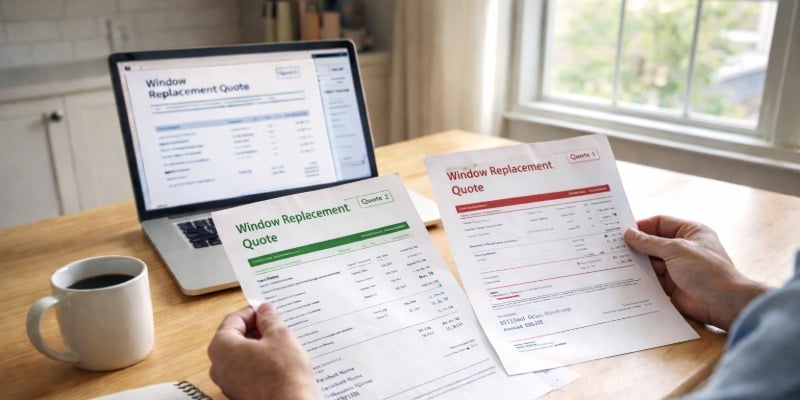
Vinyl windows are generally considered a budget-friendly option, but pricing varies based on size, glass package, and customization.
On average, vinyl replacement windows in Pittsburgh cost: $1,200–$2,500 per window
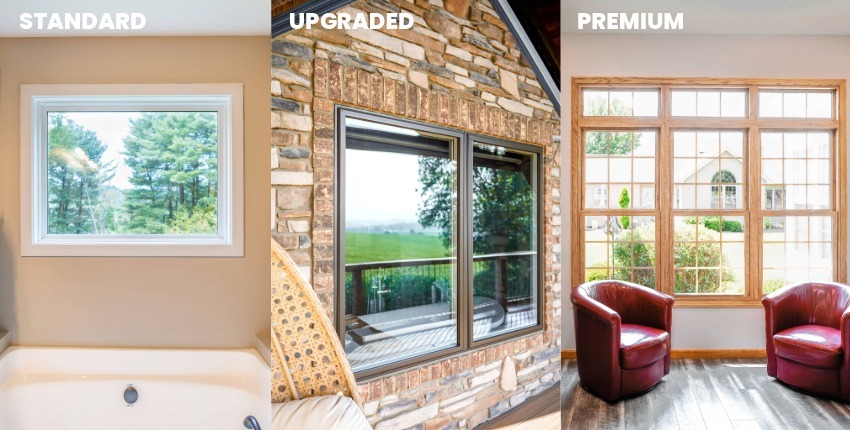
Pricing tiers typically look like this:
|
Tier |
Features & Options |
Price |
|
Standard Features |
Same color vinyl inside and outside, cost-effective design, no grids |
$1,296–$1,620 |
|
Upgraded Features |
Energy-efficient glass, grids, different interior and exterior colors and finished, more design choices |
$1,620–$2,376 |
|
Premium Features |
Specialty shapes, custom colors, internal mini-blinds, art glass, wooden interior options |
$2,376+ |
Because Pittsburgh experiences both freezing winters and humid summers, investing in better glass performance often pays off more than upgrading cosmetic features.
Read our full breakdown of vinyl window pricing (2026) in Pittsburgh for even more detail.
Key Takeaways About Vinyl Windows
- Vinyl windows are one of the most affordable replacement window materials.
- High-quality vinyl can be energy efficient when paired with the right glass.
- Lower-end vinyl may warp in extreme heat.
- They require very little maintenance.
- Lifespan typically ranges from 20–30 years.
- Installation quality matters just as much as material choice.
Should You Choose Vinyl Windows For Your Pittsburgh Home?
Choosing the right window material comes down to what matters most to you, your budget, your long-term plans for the home, your aesthetic goals, and how much maintenance you’re willing to take on.
Vinyl windows might be right for you if:
- You want a cost-effective solution
- You prefer low maintenance
- You plan to stay in your home for the next 10–30 years
- You want solid energy performance without premium pricing
You may want to explore other materials if:
- Custom design flexibility is your top priority
- You want maximum lifespan
- You’re renovating a high-end or historic home
Ultimately, the “best” window material depends on your goals, not just what’s popular.
So, What's Next?
Now that you’ve explored the key advantages and disadvantages of vinyl windows, you’re better equipped to decide whether they’re the right solution for your home improvement goals.
If you’ve been torn between affordability and long-term performance, you now understand how vinyl windows perform, especially in a climate like Pittsburgh’s.
Still unsure if vinyl is the best choice? Take the next step and compare it directly to fiberglass with our Vinyl vs. Fiberglass Windows guide; it breaks down everything from energy efficiency to durability.
At Energy Swing, we specialize in helping homeowners like you feel confident about every aspect of your window replacement — from the materials to the installation process. If you're ready to talk through your options, reach out for a free consultation today.

Vinyl Window FAQ
1. Are vinyl windows durable enough for Pittsburgh’s four-season weather?
Yes, quality vinyl windows perform well in Pittsburgh’s mix of freezing winters, humid summers, and rapid temperature swings. Multi-chambered vinyl frames paired with insulated glass help prevent drafts, and reinforced vinyl minimizes the risk of warping or softening on sunny exposures.
2. How long do vinyl windows typically last?
Most well-constructed vinyl windows last 20–30 years, depending on installation quality, sun exposure, and overall maintenance. While vinyl can’t be refinished like wood, higher-end vinyl with reinforced frames and insulated glass tends to offer the longest lifespan.
3. Are vinyl windows the most cost-effective option for replacement projects?
In many cases, yes. Vinyl windows are usually the most budget-friendly choice, with Pittsburgh averages ranging from $1,000 to $2,200 per window. They offer strong energy efficiency and low maintenance costs, making them ideal for homeowners replacing multiple windows or working within a clear budget.
Topics:



.jpg?width=1200&height=550&name=Copy%20of%20Copy%20of%20ESW%20Collage%20Template%20(3).jpg)
