Search for topics or resources
Enter your search below and hit enter or click the search icon.
Planning a window or door project can create more questions than expected. This FAQ center gives Western Pennsylvania homeowners clear, practical answers about products, pricing, installation, warranties, service, and Energy Swing's process.
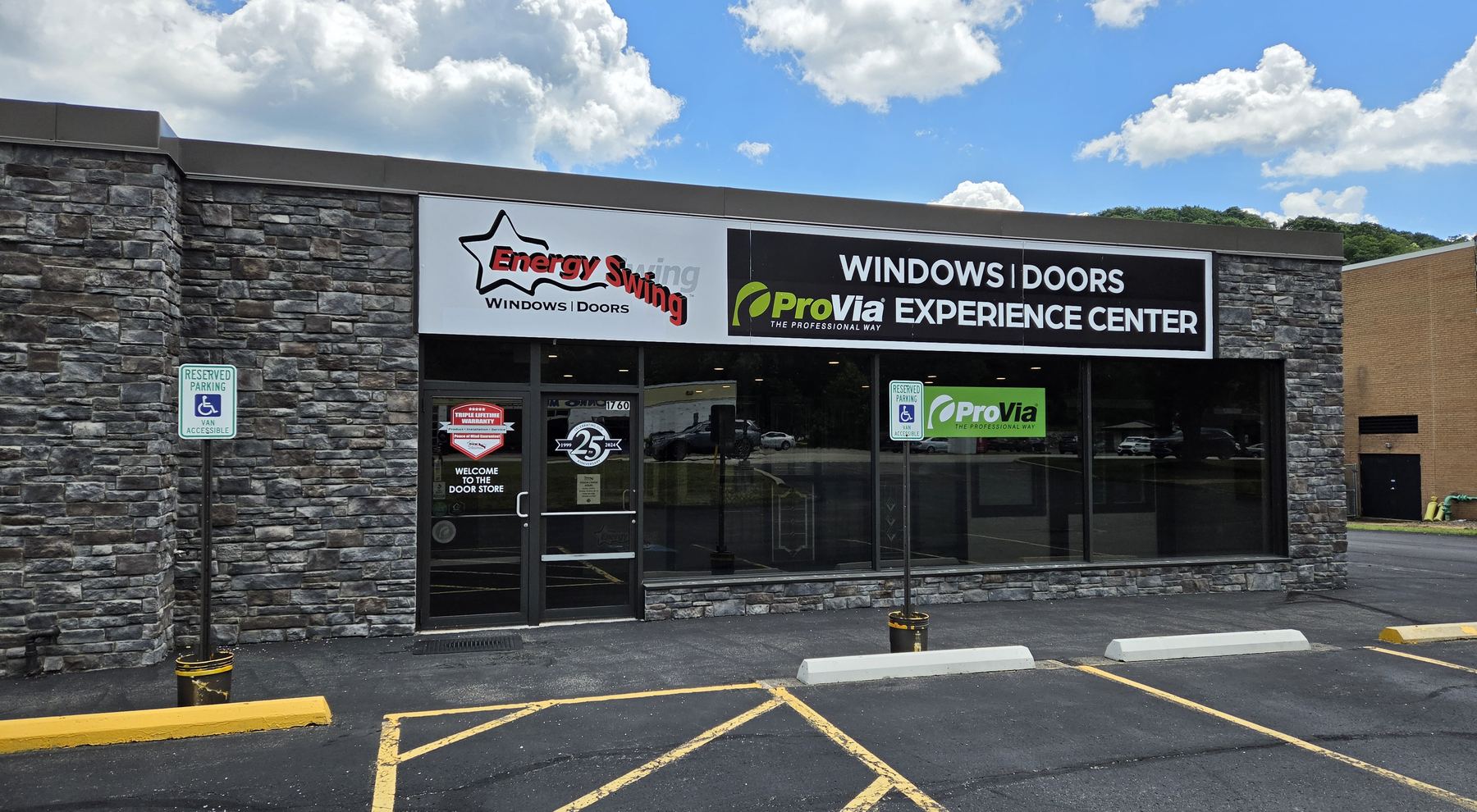
Start with a category below, or use the page search to find a specific question. For advice based on your home, schedule an in-home consultation or visit the ProVia Experience Center and Design Center in Monroeville.
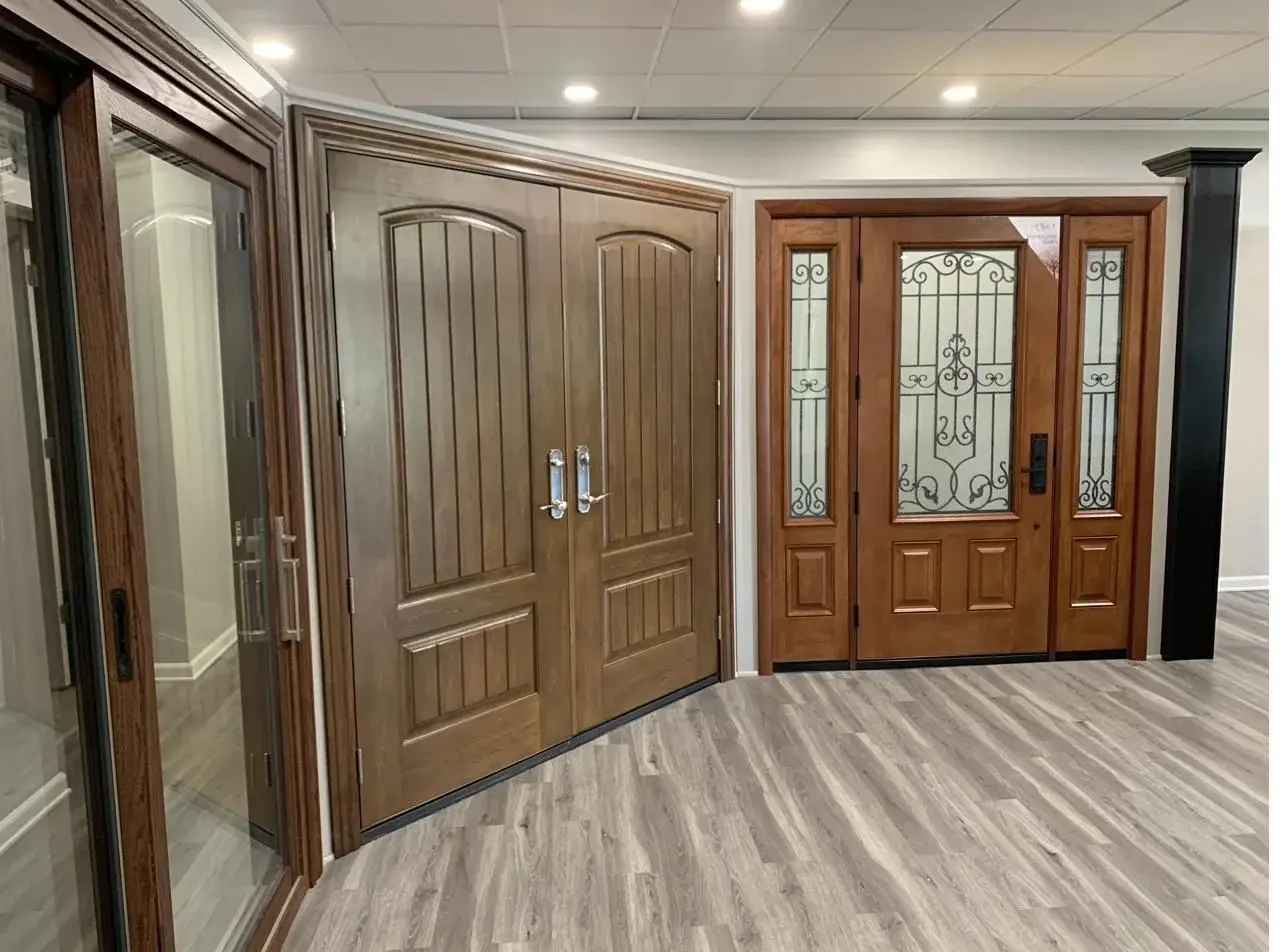
Start here if you are still deciding what to replace, when to begin, or how to compare your options.
Before replacing windows or doors, understand the complete system you are buying: the product, how it will be measured and installed, how the opening will be insulated and sealed, what the warranty covers, and who will handle service in the future. Most replacement windows and doors are custom made, so accurate measurements and final design choices are important before manufacturing begins. We walk you through each of these details so you know exactly what is included and what to expect from consultation through installation.
Learn more: Essential Guide to Window Replacement for Pittsburgh HomeownersA repair may make sense when the problem is limited to replaceable weatherstripping, minor hardware, caulking, or a small alignment issue. Replacement becomes more practical when you have recurring drafts, failed insulated glass, rotting or warped frames, water damage, poor security, or repeated repairs. The condition of the full opening matters more than the age of the product alone.
Prioritize anything affecting safety, security, water intrusion, or reliable operation. After that, focus on the rooms with the worst comfort problems and the products most exposed to weather. If the work must be phased, it can also make sense to complete one visible side of the home at a time so the exterior remains consistent.
You can replace them together or in separate phases. Combining projects may reduce repeated setup and disruption while helping colors and styles coordinate. Phasing can make the investment easier to manage. The best approach depends on which products are failing, your budget, and whether you want one coordinated exterior update.
Learn more: Should You Replace Your Windows and Doors Together?No. Many homeowners replace all their windows for consistent appearance and performance, but a phased project can be sensible. If you phase the work, start with damaged or uncomfortable areas and consider completing groups that are visible together. Ask whether future product or color changes could make an exact match harder later.
Learn more: Should You Replace All Your Windows at Once or Just Some?There is no required number, but two or three well-chosen consultations are usually enough to understand the market without creating more confusion than clarity. Compare more than the final price. Look at the proposed product, installation details, company responsibility, warranty, service process, and how clearly each company answers your questions.
Learn more: How Many Replacement Window Quotes Should You Actually Get?Count individual window units, not just openings in the wall. Two windows joined side by side usually count as two units even though they share one opening. Bay and bow assemblies may contain several units. Photos of each opening can help a contractor understand the configuration before an in-home visit.
Learn more: How to Count Windows for ReplacementHelpful information includes the number and type of windows or doors, photos, the problems you are experiencing, approximate age, desired colors or styles, and any water or structural concerns. Also think about your preferred timing and the priorities you will use to compare options, such as comfort, maintenance, appearance, or long-term warranty protection.
Start with anything affecting safety, security, water intrusion, or reliable operation. Next, address the rooms with the worst drafts, noise, or temperature swings. If the project needs to be completed in phases, we can help you group the work so each phase addresses the most important problems while keeping the appearance of your home consistent.
Learn more: 3 Ways to Make a Window or Door Project More AffordableWe install windows and doors year-round, so there is no single best season. The best time to replace them is when you identify a problem. Addressing drafts, leaks, rot, failed locks, foggy glass, or difficult operation sooner can prevent the problem from becoming more serious or causing additional damage.
Learn more: Should You Wait Until Spring to Replace Your Windows and Doors?Yes. Experienced installers replace windows and doors during Western Pennsylvania winters. They normally work one opening at a time and prepare the new product before removing the old one, which limits exposure. Severe weather may require rescheduling, but ordinary cold conditions do not automatically prevent a professional installation.
Learn more: Can You Replace Your Windows in Winter?Custom windows and doors require consultation, final measurement, manufacturing, scheduling, and installation. Our custom products typically take about 8 to 12 weeks to manufacture after the order is finalized, although timing varies by product and season. Your written project timeline will provide the estimate for your specific project.
Learn more: Energy Swing's Step-by-Step ProcessThese answers cover the most common questions about window condition, performance, materials, and replacement decisions.
Common signs include persistent drafts, condensation between panes, difficult operation, rotting or warped frames, water staining, excessive outside noise, and noticeable temperature differences near the glass. One symptom does not always require replacement, but several recurring problems usually justify a professional evaluation.
Learn more: Why Replace Your Windows? 9 Signs It Is TimeWindow life depends on material quality, glass construction, exposure, installation, operation, and maintenance. A well-made, correctly installed window can provide decades of service. Instead of relying on one lifespan number, compare the construction, installation process, warranty, and the company's ability to service the product later.
Yes, especially when your current windows are drafty, difficult to operate, damaged, or no longer performing well. New windows can improve comfort, appearance, sound control, energy performance, and everyday operation. With Energy Swing, your investment also includes custom-fit products, installation by our employee crews, our Triple Lifetime Warranty, and service after the project is complete.
Learn more: Replacement Windows OverviewNew windows can improve curb appeal, buyer confidence, and everyday function, but the exact resale return varies by home and market. Homeowners also receive value while living in the home through easier operation, fewer drafts, reduced maintenance, and a more consistent appearance.
Learn more: How Much Value Do New Windows Add? Pittsburgh ROI GuideThey may reduce heating and cooling loss when the existing windows are inefficient, drafty, or poorly installed. Actual savings depend on the old windows, glass package, installation, insulation, HVAC system, and household habits. Comfort improvements are often easier to notice than a specific guaranteed percentage of utility savings.
Yes. Modern insulated glass, tighter weather seals, insulated frames, and proper installation can reduce cold glass, drafts, and temperature swings. Windows are only one part of the building, so attic insulation, HVAC distribution, doors, and air leakage elsewhere can also affect comfort.
New windows can reduce noise through better seals, insulated glass, secure locking, and precise installation. The amount of improvement depends on the sound source, wall construction, glass package, and how poorly the old windows perform. No residential window makes a room completely soundproof.
Moisture between panes normally indicates that the insulated glass seal has failed. The unit has lost the dry, sealed space that supports its insulating performance. Cleaning will not remove moisture trapped inside the glass. Depending on the window and warranty, the glass unit may be serviceable or the window may need replacement.
Learn more: Why Does Your Window Have Condensation Between the Glass?Not necessarily. Interior condensation usually forms when warm, humid indoor air reaches a cold glass surface. Cooking, showers, humidifiers, closed blinds, and limited airflow can increase it. Persistent heavy moisture should be addressed because it can damage trim or surrounding materials, even when the window itself is functioning normally.
Exterior condensation can form when warm, humid outdoor air touches the cooler outside surface of the glass. This is more likely when it is much warmer outside than it is inside because the greater temperature difference can make the exterior glass cooler than the surrounding air. On high-performing windows, exterior condensation can also mean the glass is doing its job by limiting heat transfer. The moisture is usually temporary and clears as conditions change.
Fog or moisture between the panes means the seal on the insulated glass unit has failed. Cleaning the glass will not correct the problem. Energy Swing does not offer glass-only replacement, so when we address a foggy window, the solution is to replace the window.
Yes. The replacement window itself includes a new frame, glass, and the operating components for that window style. The separate question is whether all of the home's existing frame around the opening needs to be removed. In many replacement installations, sound portions of the existing opening remain in place while the old window components are removed and the new window is custom fitted, insulated, and sealed. We evaluate each opening and explain exactly what will remain and what will be replaced.
Learn more: Full Frame vs. Pocket Window ReplacementReplacement windows are designed to fit into an existing opening with limited disturbance to the surrounding finishes. New-construction windows include a nailing flange, which is a flat fin around the outside of the window frame used to fasten the window directly to the wall structure before siding or exterior trim is installed. A new-construction installation may be needed when an opening is being rebuilt or has significant damage.
Learn more: Replacement Windows vs. New Construction WindowsOlder homes often have openings that are not perfectly square or standard sized. A custom-made window is sized for the actual opening so installers can create appropriate clearances, insulation, support, and finishes. Custom sizing does not replace skilled installation, but it reduces the compromises that come with forcing a stock unit into an unusual opening.
Yes. Our employee installers regularly work in older Pittsburgh-area homes with brick, stone, wood, and siding. They are experienced with settled openings, thick walls, old trim, integrated exterior channels, lead-safe requirements, and hidden rot. That local experience helps us select the appropriate installation method for each home.
Common materials include vinyl, fiberglass, wood, and clad wood. Vinyl is popular for low maintenance and insulation. Fiberglass offers strength and stability. Wood provides a natural interior appearance but requires protection and maintenance. Compare the complete product and installation rather than assuming one material is always best.
Learn more: Window Frame Materials ComparedQuality vinyl windows resist rot, do not require painting, and can provide strong thermal performance with insulated chambers and welded construction. Vinyl quality varies, so compare frame thickness, reinforcement, corner construction, weather seals, glass options, hardware, and warranty instead of judging all vinyl windows as equivalent.
Learn more: Vinyl Windows: Pros, Cons, Costs & Energy EfficiencyYes, when different openings or design goals call for different solutions. The important considerations are visible profile differences, color matching, grid patterns, glass appearance, hardware, and warranty responsibility. A thoughtful plan can use more than one product without making the home look pieced together.
Learn more: Can You Mix and Match ProVia and Energy Swing Windows?Use this section to compare operating styles, configurations, and the design choices that affect how a window looks and works.
Consider the shape of the opening, desired ventilation, view, cleaning access, furniture placement, architectural style, and how the window will be used. A style that works well over a kitchen sink may not be the best choice beside a patio or in a bedroom. Your consultant should explain why each recommendation fits the opening.
A double-hung window has an upper and lower sash that can both move. It offers flexible ventilation and a traditional appearance that works with many Western Pennsylvania homes. Cleaning features vary by product, so operate the exact window before choosing it.
Learn more: Double-Hung WindowsA sliding window opens horizontally along a track. It works well in wide, shorter openings and areas where an outward-opening sash would be inconvenient. Look for smooth rollers, accessible locks, removable screens, reinforced meeting rails, and a track design that is easy to maintain.
Learn more: Sliding WindowsA casement window is hinged on one side and opens outward with a crank. When closed, the sash presses against the weather seals, which can provide strong air resistance. Casements offer wide ventilation and an open view, but the outward swing must be considered near walks, decks, and shrubs.
Learn more: Casement WindowsA picture window is fixed and does not open. Its simple construction can maximize glass area, natural light, and energy performance. It is often paired with operating windows when a room needs both a large view and ventilation.
Learn more: Picture WindowsBoth project outward from the home. A bay usually uses three sections with more defined angles, while a bow uses four or more sections to create a gentler curve. The choice affects projection, interior space, exterior appearance, structure, roofing, and price.
Learn more: Bay and Bow WindowsYes. A common design uses a large picture window with casements or double-hung units on the sides. Combining styles can preserve a view while adding ventilation. The proportions, frame profiles, glass heights, and structural connection between units should be planned as one system.
Some bedroom window projects must meet emergency escape and rescue opening requirements, especially when the opening is being changed or local requirements trigger an update. The required clear opening depends on the window's size and operating style. We evaluate the opening and applicable requirements before the window is ordered so the selected configuration is appropriate for the room.
Casement windows can open most of the glass area and may catch passing breezes. Double-hung windows allow air through the top, bottom, or both. Sliders provide wide horizontal openings. The best choice depends on wind direction, screen placement, opening size, and how easily you can reach the operator.
The easiest design is one that lets you safely reach both sides of the glass from inside. Tilt-in double-hung windows are common, while our patented Easy Clean windows swing inward on hinges for easier access. We recommend operating the window in person so you can compare the mechanism, weight, clearances, and screen removal.
Learn more: Which Replacement Windows Are Easiest to Clean From Inside? Every Style ComparedCasements are often easier to operate with a crank when reaching over a counter. A picture window can maximize the view if ventilation is not needed. The best option depends on reach, exterior clearance, desired airflow, and how the window aligns with cabinets and the sink.
Sliding windows are often a natural fit because they operate horizontally and make good use of a wide opening. A combination of smaller units may also work. Consider the view, ventilation, reinforcement, cleaning, and whether the existing opening contains multiple joined windows.
Grids are primarily an architectural and design choice. They can complement Colonial, Craftsman, and traditional homes, while unobstructed glass can suit a more contemporary look. Compare grid pattern, width, color, placement between or on the glass, and how the pattern aligns across the exterior.
Many window lines offer different interior and exterior finishes, although available combinations depend on the product. This allows the exterior to coordinate with siding or trim while the interior matches the room. Review full-size samples because colors and woodgrain finishes can look different from online images.
Some window and door products offer blinds sealed between glass panels. They can reduce dusting and remove exposed cords, but they add cost and may limit glass or product options. Compare the control mechanism, privacy, light range, glass performance, warranty, and serviceability.
Mulled windows are separate units joined to form a larger assembly. Non-mulled windows are installed as independent units. Neither is automatically better. The decision affects appearance, structure, installation, future service, interior trim, and cost. Ask whether the assembly is joined at the factory or in the field.
Learn more: Mulled vs. Non-Mulled WindowsThese questions explain Energy Swing's locally manufactured, patented swing-in design and how it differs from a conventional tilt-in window.
Our Easy Clean window is a patented design that allows the sash to swing inward on hinges for cleaning and service access. We manufacture our Easy Clean windows in Murrysville, Pennsylvania, and install them with our own employee crews. The design combines convenient cleaning access with secure operation and a tight compression-style seal.
Learn more: Energy Swing Easy Clean WindowsThe sash operates normally for ventilation, then releases and swings inward when you want to clean the exterior glass. The exact steps depend on the window style. A product demonstration is the best way to understand the locks, releases, hinges, screens, and clearances before purchasing.
A conventional tilt-in sash pivots inward from the bottom while remaining supported by the side balances. Our Easy Clean sash opens inward on hinges more like a door. This provides direct access to the glass without requiring you to balance a tilted sash over furniture or a windowsill.
Yes. Our Easy Clean swing-in operating system is patented. It is a unique feature of our locally manufactured window line rather than a generic cleaning feature available from every window manufacturer.
Yes. The main benefit of the design is access to the exterior glass from inside the home. This can reduce the need for ladders on upper floors. Safe use still requires following the operating instructions and keeping the area around the window clear.
Learn more: How Every Window Style Compares for Cleaning From InsideOften less rearranging is needed than with a sash that tilts down into the room, but clearance still matters. The sash needs space to swing inward. During a demonstration, consider your blinds, curtains, furniture, deep sills, plants, and nearby walls so you know how the window will work in the actual room.
Our Easy Clean window uses a tight compression-style seal that becomes more secure as wind pressure increases. Overall comfort also depends on the glass package, accurate sizing, insulation around the frame, exterior sealing, and installation workmanship.
Our double-hung window has been tested to withstand winds up to 210 mph and rain at five inches per hour. Testing demonstrates the strength of the design, but it is not a promise that a home can never experience storm damage. Review the product specifications and warranty for the exact configuration installed in your home.
Learn more: Easy Clean Performance DetailsWe manufacture our proprietary vinyl windows locally in Murrysville, Pennsylvania. This gives us direct responsibility for sizing, production, installation, warranty, and future service instead of sending homeowners between unrelated companies.
We offer the Easy Clean swing-in system in double-hung and three-lite sliding configurations. Available sizes, colors, glass packages, and configurations can change, so we will confirm the current options for each opening during your consultation.
Learn more: See How Energy Swing Windows OperateThe design is especially useful for homeowners who want easier cleaning, want to avoid exterior ladders, or have struggled with heavy tilt-in sashes. It may also appeal to homeowners who value a locally made product and one company responsible for manufacturing, installation, warranty, and service.
You can operate full-size Easy Clean window displays at our ProVia Experience Center in Monroeville. Seeing the window in person allows you to compare swing-in, tilt-in, sliding, and casement operation rather than choosing from a brochure.
Learn more: Visit the ProVia Experience CenterThis section explains the glass and installation terms that affect comfort, energy use, condensation, and noise.
Energy performance comes from the complete system: insulated glass, Low-E coatings, gas fill, spacers, frame construction, weather seals, locks, custom sizing, and installation. A strong glass rating cannot compensate for gaps around the frame, and an excellent installation cannot make outdated glass perform like a modern insulated unit.
Learn more: Understanding Window & Door Energy-Efficiency RatingsDouble-pane glass uses two panes with one insulating space. Triple-pane uses three panes and two insulating spaces. Triple-pane can improve insulation, interior glass temperature, and sound reduction, but it adds weight and cost. The value depends on the upgrade price, home, window style, exposure, and comfort goals.
Learn more: Double vs. Triple Pane WindowsIt can be worthwhile for homeowners who prioritize winter comfort, efficiency, and noise reduction. Pittsburgh's heating season makes warmer interior glass appealing. Compare the actual performance ratings and upgrade cost for the product you are considering. Triple-pane is not automatically the best use of every budget.
Low-E means low emissivity. A microscopically thin coating on the glass reflects selected infrared heat while allowing visible light through. The coating can help retain indoor heat during cold weather and limit unwanted solar heat during warm weather. Different Low-E packages balance light, heat gain, and insulation differently.
Learn more: What Is Low-E Glass, and How Important Is It?Argon is a colorless, odorless gas used between panes of insulated glass. It transfers heat more slowly than ordinary air, helping improve thermal performance. The gas is sealed inside the glass unit and is not something a homeowner needs to refill during normal use.
Krypton is another inert insulating gas. It can perform well in narrower glass spaces and is sometimes used in high-performance or triple-pane units. It generally costs more than argon. The overall glass rating is more useful than choosing a window based on gas type alone.
The spacer separates panes around the edge of an insulated glass unit and helps seal the gas-filled space. A warm-edge design reduces heat transfer at the glass perimeter compared with highly conductive metal spacers. This can improve edge temperature and help reduce condensation risk.
U-factor measures how readily a window transfers heat. Lower numbers generally indicate better insulating performance. Compare whole-window U-factor values, not just center-of-glass numbers. Ratings should be evaluated with climate, glass area, solar heat gain, and the rest of the product design.
Solar heat gain coefficient, or SHGC, measures how much solar heat passes through a window. Lower values reduce solar heat gain, while higher values allow more. The best balance depends on window direction, shade, glass area, comfort needs, and whether winter heat gain or summer cooling is the greater concern.
ENERGY STAR criteria identify products that meet regional energy-performance requirements when configured correctly. Confirm that the exact size, glass package, and product configuration qualify. Certification is useful, but installation quality and the condition of the surrounding opening remain essential.
Not always. A large west-facing window may need different solar control than a shaded north-facing window. However, using several glass packages can affect exterior reflectivity and appearance. A consultant should explain when orientation-specific glass provides meaningful value and whether the glass will look consistent.
A draft involves moving air that can often be felt near edges or detected with a tissue. Cold glass can create a sinking air current and make you feel chilled even when outside air is not leaking. Both conditions affect comfort, but they point to different causes and solutions.
Learn more: Window Draft Myths and Real FixesNew windows may reduce condensation by raising the interior glass temperature and limiting air leakage, but they cannot control indoor humidity. Tightening the home can sometimes make excess humidity more noticeable. Ventilation, exhaust fans, humidifier settings, blinds, and household moisture all affect condensation.
Reducing heat transfer and drafts can help rooms maintain temperature more consistently, which may reduce heating and cooling demand. The result depends on the rest of the home, including insulation, ductwork, equipment condition, air sealing, and thermostat habits. Windows should be viewed as part of the complete building system.
It can, but pane thickness, spacing, laminated glass, frame seals, and installation can matter as much as the number of panes. Some sounds respond better to unequal glass thicknesses than to another identical pane.
Installation is critical. Our employee installers carefully measure, support, insulate, seal, and finish the opening so air and water cannot bypass the product. Even a high-performing window or door can be drafty when it is installed improperly.
Learn more: What to Expect During Window and Door InstallationThese answers cover entry door condition, ProVia product choices, security, glass, hardware, and exterior design.
Warning signs include sticking, difficult locking, visible gaps, daylight around the frame, drafts, water staining, rot, rust, cracked skins, loose glass trim, and deteriorated thresholds. An outdated appearance alone can also justify replacement, but problems involving water, security, or operation should be evaluated promptly.
Learn more: How Do I Know If It Is Time to Replace My Front Door?Fiberglass is popular for realistic woodgrain finishes, low maintenance, and resistance to dents and moisture. Steel provides a smooth painted appearance, strength, and value. Neither material is best for every entry. Consider exposure, traffic, desired finish, glass, security, budget, and how the door will be used.
Learn more: Fiberglass vs. Steel Entry Doors for Pittsburgh HomesReal wood offers natural grain and traditional craftsmanship but needs consistent protection from moisture and sun. High-quality fiberglass can closely reproduce woodgrain while resisting warping, rot, and frequent refinishing. Wood may suit historic requirements or homeowners who value authentic material and accept the maintenance.
Learn more: Fiberglass vs. Wood DoorsWe currently offer ProVia Signet and Ascent fiberglass entry doors and Legacy steel doors. Product availability, configurations, finishes, and names can change, so we will confirm the current options during your consultation. The Ascent line replaced the discontinued Heritage and Embark fiberglass lines.
Learn more: ProVia Ascent Door ReviewSignet is ProVia's premium fiberglass entry door line. It is designed for homeowners who want extensive woodgrain, stain, color, glass, and configuration choices. The right choice depends on whether its design flexibility and finish options provide value for your specific entry.
Ascent is ProVia's streamlined fiberglass line positioned between basic entry options and the premium Signet line. It offers custom sizing, factory finishes, glass, and hardware with fewer woodgrain choices than Signet. It replaced the discontinued Heritage and Embark fiberglass lines.
Learn more: New ProVia Ascent Door: Cost, Quality, and ComparisonLegacy is ProVia's steel entry door line. It is often considered for homeowners who want a smooth painted finish, strong construction, and a practical entry solution. Final performance depends on the complete door system, glass, frame, weather seals, hardware, and installation.
Learn more: ProVia Legacy Steel Entry DoorsYes. Custom sizing is especially valuable in older homes and settled openings that do not match stock dimensions. A custom-built door system can preserve the opening while improving fit and operation. Final measurements must account for the slab, frame, threshold, exterior trim, interior trim, and surrounding structure.
No. A slab-only replacement reuses the existing frame, hinges, threshold, and much of the weather seal. A full system includes a new slab and frame assembly sized and configured together. Reusing a damaged or out-of-square frame can limit performance, so most serious replacement projects evaluate the complete opening.
Sidelites are narrow glass panels beside a door. A transom is a glass unit above it. They can add natural light and create a larger architectural entry, but they also affect privacy, glass performance, framing, installation complexity, and price.
Learn more: Sidelight Options & Costs for Front Door ReplacementCompare glass in person from both inside and outside under different lighting. A privacy rating does not show every real-world condition. Consider whether people can see shapes, movement, or details at night when interior lights are on, along with how much daylight the glass admits.
Balance architecture, privacy, natural light, metal caming, color, and budget. Decorative glass can become the visual focus of the entry, so it should coordinate with the door panel, sidelites, exterior finishes, and hardware. Full-size samples are more reliable than small catalog images.
Learn more: Popular ProVia Decorative Glass StylesCompare handle style, finish, grip comfort, lock type, keying, electronic features, backset, and compatibility with the door preparation. Also consider how the finish will coordinate with lighting, house numbers, storm door hardware, and interior fixtures. Ask what hardware and labor are included in the proposal.
A multipoint lock secures the door at several locations along the edge instead of relying only on one latch and deadbolt area. It can improve security, compression against weather seals, and resistance to warping. Operation varies, so test the exact system and learn the correct locking sequence.
An entry door is only as secure as the complete system. The door slab, frame, reinforced lock area, strike plates, fasteners, hinges, glass, sidelites, and installation all work together. We evaluate the full opening and properly secure the door system to the home's structure so it closes, locks, and performs as designed.
Many custom doors allow different interior and exterior colors or finishes. This can help the outside coordinate with siding while the inside matches trim or flooring. Available combinations and warranty coverage depend on the door line and factory finish, so review current samples and specifications.
Not always. A storm door can provide ventilation, a screen, pet visibility, and weather protection for an exposed entry. It may be unnecessary under a deep porch and can trap damaging heat on a dark, sun-exposed door. The decision should consider exposure, use, appearance, and the entry door manufacturer's requirements.
Learn more: Do You Need a Storm Door in Pittsburgh?Yes, when the door is drafty, difficult to secure, heavily used, or allowing water into the opening. A secondary door may not be the home's visual focal point, but it can have a major effect on everyday convenience, security, comfort, and access to outdoor areas.
Learn more: Is a New Back Door Worth It?Use these questions to compare hinged patio doors, French doors, and sliding glass door systems.
Patio door is a broad term for a door connecting an interior room to a patio, deck, or yard. It can include hinged French-style doors or sliding glass doors. Sliding doors move horizontally on a track, while hinged doors swing inward or outward depending on the design.
Learn more: Patio DoorsFrench doors provide a traditional look and can create a wide opening, but they require swing space. Sliding doors save floor space and offer large glass areas and broad views. Compare traffic flow, furniture, screens, ventilation, security, threshold height, view, and maintenance.
Learn more: French vs. Sliding Glass DoorsA sliding glass door is often the most space-efficient because no panel swings into the room or onto the patio. The decision also depends on wall width, furniture, traffic, screen use, view, and the size of the clear opening you want.
They can be. Look at the frame, insulated glass, Low-E coating, gas fill, weather seals, interlocks, threshold, and installation. Because a patio door contains a large area of glass, glass selection and accurate installation have a noticeable effect on comfort.
Learn more: Sliding Glass DoorsCommon causes include worn or dirty rollers, a damaged track, frame movement, incorrect adjustment, water damage, and an out-of-square installation. Cleaning may help minor debris, but repeated sticking or lifting can indicate a larger problem that should be inspected.
Endure uses durable vinyl construction and can offer simulated woodgrain interior finishes. Aeris combines a real wood interior with a weather-resistant vinyl exterior. Endure suits homeowners who want low maintenance, while Aeris suits those who prioritize authentic stained or painted wood inside.
Yes. ProVia Aeris sliding doors use real wood on the interior with vinyl protection on the exterior. The wood can coordinate with interior trim and cabinetry but requires the care appropriate for a real wood finish.
Some patio and sliding door configurations offer internal blinds. They stay protected from dust and can provide convenient privacy and light control. Compare the operator, tilt range, glass performance, repairability, warranty, and added cost before selecting them.
Security depends on the lock, frame reinforcement, panel engagement, glass, threshold, and installation. A quality system should close squarely and lock without forcing it. Optional foot bolts or upgraded locks may add protection, but they should be compatible with the manufacturer and warranty.
Screens are commonly available, but the exact screen type and whether it is included should be stated in the proposal. Compare frame strength, mesh, rollers, handle, fit, removal, and warranty. A screen should move smoothly without binding or jumping off the track.
Consider durable screens, smooth thresholds, safe visibility, lock height, and how frequently the door will be used. Pet doors may affect glass, weather performance, security, and warranty. Ask whether a manufacturer-approved configuration exists instead of modifying a new door after installation.
Yes. Available configurations may include two-, three-, and four-panel systems with different operating panels. Larger assemblies can increase glass area and opening width but require adequate wall structure, careful measurement, and planning for panel operation and screens.
Consider replacement when the door sticks, will not lock reliably, feels drafty, has fogged glass, leaks water, has a damaged frame or threshold, or no longer fits the room's traffic and design. Repeated roller or track repairs can also signal that the system is nearing the end of its useful life.
Many straightforward replacements can be completed in one day, but the time depends on size, panel count, access, structural condition, rot, interior and exterior finishes, and weather. The contractor should explain how the opening will be protected if additional work is discovered.
These answers explain what drives project cost and how to compare proposals without relying on outdated price claims.
Window pricing varies by style, size, glass, color, grids, configuration, installation, exterior finishing, and the condition of the opening. Because prices change, use our current window pricing page and estimator for a planning range rather than relying on an older article or printed price. A final proposal requires the exact product selections and installation scope.
Learn more: Current Window PricingDoor pricing depends on material, size, glass, sidelites, transoms, finish, hardware, threshold, frame, installation, and any necessary repair work. Use our current door pricing page or estimator for a planning range. A final price requires the exact configuration and installation scope.
Learn more: Current Door PricingYes. We provide online pricing estimators for windows and doors so you can explore a current planning range before scheduling an in-home consultation. The estimator is not a final proposal because measurements, product selections, and opening conditions still need to be confirmed.
Learn more: Window and Door Pricing OverviewQuotes may include different products, glass, colors, installation steps, trim, disposal, permits, repair allowances, warranties, service, and labor standards. One company may also use employees while another uses subcontractors. A lower total is not comparable if important work or long-term support is missing.
Learn more: Why One Window Company Costs More Than AnotherOur pricing reflects a premium, long-term solution that includes custom products, employee installers, detailed project management, our Triple Lifetime Warranty, and ongoing service responsibility. We may not be the right fit for someone focused only on the lowest initial price, but homeowners should compare the complete scope and long-term support included with each proposal.
Learn more: Is Energy Swing the Right Fit for Your Home?A complete proposal should identify the exact product, quantities, sizes or configurations, glass, colors, hardware, installation method, insulation, interior and exterior finishing, disposal, warranty, payment schedule, and exclusions. Ask whether permits, structural repairs, rot, painting, and unexpected conditions are included or handled separately.
Common surprises include disposal, trim, exterior cladding, permits, structural repairs, lead-safe procedures, rotten wood, upgraded glass, hardware, delivery, service labor, and financing terms. A detailed written proposal should show what is included and explain how unforeseen work will be approved before it is performed.
Learn more: Hidden Fees in Window and Door QuotesCreate a line-by-line comparison of product, glass, installation, finishing, warranty, service, and company responsibility. Confirm whether each quote covers the same number of units and the same joined-window configurations. If a difference cannot be explained clearly, the proposals are not yet comparable.
Yes. We offer financing through lending partners. Programs, rates, terms, and eligibility can change, so review the current written financing disclosure before choosing a plan. Compare the total cost, monthly payment, interest, promotional period, and any consequences of not paying the balance within a promotional term.
Learn more: Window and Door Financing OptionsThe best financing option depends on how quickly you plan to repay the project, the monthly payment that fits your budget, and the total interest you are comfortable paying. A shorter promotional plan may work well if you expect to pay the balance within the promotional period, while a longer installment plan can reduce the monthly payment.
Learn more: Pricing and Financing OptionsCash avoids financing costs, while financing can preserve savings and spread the investment over time. Some homeowners use a combination. Compare the value of keeping emergency funds, the loan's total cost, early-payment rules, and whether delaying needed work could allow additional damage.
Yes. A phase plan can prioritize failing products, the most uncomfortable rooms, or one visible side of the home. Ask how minimum project requirements, future price changes, product availability, repeat setup, and exterior consistency could affect the total cost over several phases.
Prioritize performance and workmanship, then simplify cosmetic upgrades such as specialty colors, grids, decorative glass, or premium hardware. Phasing and financing may also help. Cutting insulation, flashing, structural preparation, or installation labor can create problems that cost more to correct later.
Learn more: Make a Window or Door Project More AffordableYour written proposal will state exactly how long the quoted price is valid. Material costs, financing programs, and promotions can change, so rely on the dates in your proposal rather than an older conversation or website statement. We use consistent, no-pressure pricing rather than discounts that disappear unless you make an immediate decision.
These questions explain what happens before you sign a contract and how Energy Swing's education-first sales process works.
When you contact us, a member of our team will learn about your project, location, goals, and the products you are considering. The purpose of that first conversation is to make sure we are a reasonable fit and schedule the appropriate next step, not to pressure you into a decision.
Learn more: Energy Swing's ProcessA typical in-home consultation lasts about 60 to 90 minutes. The exact time depends on the number of openings, project complexity, your questions, and the design choices you want to explore. We take enough time to understand your home and explain the options without turning the visit into an unnecessarily long sales presentation.
The consultant evaluates the existing windows or doors, listens to your priorities, discusses product and design options, reviews installation considerations, and helps define a solution. The visit may include preliminary measurements and digital visualization. Final production measurements occur later if you move forward.
No. We can meet with one homeowner, but it is helpful for everyone involved in the decision to attend when possible. That allows each person to see the same options, ask questions, and understand the proposal without relying on someone else to repeat technical details later.
No. Our consultations are education-first and no-pressure. We will provide clear recommendations, answer your questions, and give you time to make a confident decision. We do not use inflated starting prices, repeated manager calls, or discounts that disappear unless you sign immediately.
Learn more: Window and Door Sales TacticsEither can be the first step. An in-home visit helps diagnose the opening and project needs. The ProVia Experience Center helps you compare full-size products, glass, hardware, colors, and operation. Homeowners with complex design decisions may benefit from both.
Preliminary measurements help build the proposal and identify configurations. If you proceed, a dedicated final-measure appointment verifies the exact production dimensions and installation details before products are ordered. Separating these steps reduces the risk of ordering from rushed sales measurements.
Yes. We can help you narrow your choices based on your home's architecture, exterior materials, interior finishes, maintenance preferences, and budget. Full-size displays and samples are helpful because small swatches and colors shown on a screen do not always represent the final appearance accurately.
Yes. We use visualization tools that can place selected door styles, colors, glass, and hardware on a photo of your home. The image is a planning aid rather than a perfect color proof, but it can make side-by-side design decisions much easier.
Learn more: Visit the ProVia Experience CenterWe provide detailed, transparent proposal pricing based on the selected product and the installation conditions we can identify during the consultation. Complex conditions may require further review or final measurement. Your written proposal will identify assumptions, allowances, exclusions, and how any changes will be approved.
It should identify the door line, material, size, swing, panel style, glass, privacy, sidelites, transom, colors, finishes, hardware, threshold, frame, trim, installation, disposal, warranty, and exclusions. It should also explain how damage or structural changes discovered during installation will be handled.
Learn more: What Should Your Door Proposal Include?Usually, selections can be revised before the final order is approved. Changes may affect price, lead time, performance, and availability. Once a custom product enters production, changes or cancellations may be restricted, so carefully review the final specifications before authorizing the order.
Learn more: What Is a Change Order in Home Improvement?This section follows the project from final measurements through installation day and the final walkthrough.
The sales consultation defines the solution, while final measurement verifies exact production sizes and installation details. A specialist can check squareness, structure, trim, exterior materials, product configuration, and any changes made during design. This extra step helps prevent expensive ordering mistakes.
An entry-door final measure may take about an hour, while a ten-window project can take up to two hours. The exact time depends on access, configuration, opening condition, and the amount of detail that needs to be confirmed.
Learn more: Final Measure and Order ProcessAfter final measurement, our team reviews the confirmed details, resolves any differences, and submits the custom order for manufacturing. We will communicate with you if a field condition changes the design, price, or installation plan, and any changes should be documented before the order moves forward.
We manufacture our proprietary windows in Murrysville, Pennsylvania. ProVia manufactures its windows and doors in Ohio. Your proposal will identify the exact manufacturer and product line included in your project.
Custom manufacturing typically takes about 8 to 12 weeks, depending on the project. Specialty colors, decorative glass, custom sizes, supply conditions, and seasonal demand can affect that estimate. The timeline in your current project documents will provide the best estimate for your order.
As your products near completion, our operations team will contact you to coordinate the installation date, expected timing, and crew information. We will also communicate any changes caused by weather, product damage, or an incomplete shipment.
Our windows and doors are installed by full-time Energy Swing employees, not independent subcontractors. This gives us direct responsibility for training, installation standards, scheduling, cleanup, warranty coverage, and service after the project.
Learn more: Employee Installers vs. SubcontractorsCreate a clear path to each opening, move fragile items, secure pets, and discuss blinds, curtains, alarms, furniture, landscaping, and parking in advance. Follow the project team's preparation instructions because door installations, upper-floor windows, bay windows, and interior woodwork may require different access.
Often the area immediately around the opening must be clear. Whether the homeowner or crew removes treatments should be agreed on before installation. Custom shutters, hardwired shades, alarms, and specialty hardware may require a separate professional.
Keep pets and children away from active work areas, open doors, tools, glass, and debris. A quiet closed room or off-site plan is often safest. Tell the crew about pets even when they are secured so exterior gates and doors are handled carefully.
Yes. Heavy rain, severe cold, high winds, storms, or unsafe travel can require rescheduling. Ordinary seasonal weather can often be managed by working one opening at a time. The crew should protect materials and avoid exposing the home when conditions could compromise safety or installation quality.
Our crews can typically replace roughly 8 to 10 standard windows in a day, although larger or more complex projects may take longer. Bay and bow windows, structural work, upper-floor access, integrated exterior channels, and hidden damage can affect the schedule.
Learn more: What to Expect During InstallationProfessional replacement should limit disturbance, but some trim removal is normally required. Brittle plaster, tile, old paint, hidden fasteners, and pre-existing damage can increase risk. The proposal should explain which trim is removed, reused, replaced, wrapped, caulked, painted, or excluded.
The crew should stop, document the condition, explain the repair options, and obtain approval before performing work outside the agreed scope. The method and cost depend on the extent of damage. Covering rot without correcting the cause can lead to water, air, and structural problems.
Yes. Our installation process includes protecting the work area, controlling debris, removing the old products covered by the agreement, cleaning the area, and completing a final walkthrough. Your proposal will confirm whether old blinds, treatments, air conditioners, or unrelated materials are included.
You should inspect the work, operate every product, review locks and cleaning features, discuss care, and identify any remaining items. Ask where warranty documents are stored and how to request service. Do not wait to report visible damage or an operating problem discovered at completion.
These questions explain Energy Swing's warranty structure, how to request service, and how to care for installed products.
Our Triple Lifetime Warranty has three layers of protection for as long as the original homeowner lives in the home: product coverage, coverage for our installation, and lifetime service. Your written warranty contains the complete coverage terms, exclusions, transfer details, and claim procedures.
Learn more: Triple Lifetime WarrantyProduct coverage applies to covered defects or failures in the windows and doors we install. We handle the service relationship, including products made by our manufacturing partners. Coverage varies by product and component, so keep the warranty documents provided with your project.
Installation coverage applies to problems caused by our workmanship. Because our installers are employees, you contact the same company that sold and installed your project. Your written warranty explains what qualifies as an installation-related issue.
Lifetime service means our service team remains available for covered repairs and adjustments after installation. You contact us directly rather than working through an unrelated call center. Your warranty and service policy explain which visits, labor, parts, damage, and maintenance items are covered.
No. Our Triple Lifetime Warranty is included with the installed project; it is not sold as an optional upgrade. We also do not sell these covered products without installation because installation quality is part of the complete system we stand behind.
Yes. Our Triple Lifetime Warranty includes glass breakage and screen damage, which is broader than many typical product warranties. Review your written warranty for claim procedures, exclusions, homeowner responsibilities, and the exact coverage that applies to your project.
Yes. The warranty may be transferred once, providing the next homeowner with two years of coverage after the transfer. Contact us for the current transfer steps and timing, and refer to your written warranty for the complete terms.
No. Contact us directly for service. We coordinate with ProVia or another manufacturer when needed, so you are not passed between the seller, manufacturer, and installer.
Use our Service Requests link and provide your contact information, project address, product location, photos, and a clear description of the issue. Include when the problem began and whether it affects operation, water, security, or safety.
Learn more: Request ServiceStop forcing the product and contact the service team. Photos or a short video can help show the problem. New products may need an adjustment after the home and materials settle, but grinding, binding, leaking, or failed locking should be evaluated instead of ignored.
Start with mild soap, water, and a soft cloth or non-abrasive sponge. Test any stronger cleaner in an inconspicuous area and follow the product instructions. Avoid razor blades, steel wool, sandpaper, and harsh abrasives that can scratch or dull the vinyl.
Learn more: How to Clean Vinyl Window FramesDo not direct high-pressure water at window seals, joints, screens, or edges. Pressure can force water behind the exterior or damage components. Use gentle cleaning methods recommended by the product manufacturer and take extra care around caulk, flashing, and weep systems.
A spring and fall visual check is a practical routine. Look for cracked caulk, water staining, loose trim, damaged screens, worn weatherstripping, difficult operation, and blocked drainage paths. Early attention can prevent a minor maintenance issue from becoming damage to the opening.
Use only a lubricant and method approved for the specific product. Applying the wrong spray can attract dirt, stain finishes, damage weatherstripping, or affect wood. Clean the track first and contact service if the product still requires unusual force.
Avoid screws, nails, harsh adhesives, and hangers that pinch seals or scrape the finish unless the manufacturer approves them. Magnetic or over-door products can also cause damage in some configurations. Review the care guide before attaching wreaths, hooks, signs, or seasonal decorations.
Learn more: Holiday Decorating Without Ruining Your WarrantyThe written warranty issued for your specific product and project controls. Website summaries are intended to explain the program but may be updated or simplified. Keep the signed contract, final specifications, manufacturer warranty, Energy Swing warranty, and service records together.
Use these questions to evaluate companies, installation responsibility, warranties, sales practices, and long-term value.
Look for appropriate registration and insurance, strong local experience, clear product knowledge, detailed proposals, documented installation practices, dependable warranties, and a service process. The company should explain both strengths and limitations without using pressure to rush the decision.
Registration helps confirm that the business can legally perform covered home-improvement work in Pennsylvania. Insurance helps protect the homeowner and company if property damage or injuries occur. Ask for current information and independently verify it instead of relying only on a logo in a brochure.
Either arrangement can produce good work, but employees give the company more direct control over hiring, training, scheduling, standards, communication, and accountability. When subcontractors are used, ask who trains them, supervises the work, handles callbacks, carries insurance, and honors installation warranties.
Learn more: Employee Installers vs. SubcontractorsAsk the company to explain removal, opening preparation, structural support, insulation, water management, fastening, interior and exterior finishing, cleanup, and final inspection. Look at detailed project photos and speak with customers who had similar homes. A vague answer such as 'we install to code' is not a complete process.
Separate product, finish, glass, hardware, installation, labor, service-call, accidental-damage, and transfer coverage. Look for exclusions, prorating, owner maintenance, claim procedures, and who actually performs service. A lifetime label is not useful until you know whose lifetime and which components it covers.
Not automatically. The lowest price can be appropriate when the scope and value are truly equivalent, but missing installation steps, weaker service, limited labor coverage, or lower product specifications can explain the difference. Choose the best complete value for your goals and expected time in the home.
Look for patterns involving communication, cleanliness, installation, service, warranty response, and how problems were handled. Recent reviews are useful, but so are older reviews that show whether the company supported customers years later. Read more than the star rating.
Local companies regularly encounter the region's older openings, brick and stone construction, hills, freeze-thaw cycles, humidity, and permitting differences. Local experience does not guarantee quality, but it can help a team anticipate conditions and remain available for future service.
Learn more: National vs. Local Window and Door CompaniesSingle-source responsibility means one company takes responsibility for the product, installation, and service rather than directing the homeowner among separate sellers, manufacturers, and installers. We use this approach with our locally manufactured windows, and we also coordinate service for the ProVia products we install.
Both matter. A well-designed product can underperform when measured or installed poorly, while excellent installation cannot overcome every limitation of a low-quality product. Evaluate the product, installer, company process, warranty, and service as one system.
Warning signs include inflated starting prices, repeated drops, a manager call to unlock a discount, a price that expires before you can compare, refusing to leave specifications, and keeping you in a presentation for hours. A professional should explain the proposal and give you reasonable time to decide.
Learn more: Window and Door Sales TacticsAsk who installs the project, what is included, how the opening is insulated and sealed, how hidden damage is handled, which warranties cover product and labor, who provides future service, what the timeline is, and why the recommended product fits your home.
Learn more: 6 Questions to Ask a ContractorChoose a short list and use the same scorecard for each: fit, product, installation, proposal detail, warranty, service, reputation, communication, and price. Eliminate any company that will not answer basic questions in writing. More estimates do not always produce a better decision.
We are a strong fit for homeowners who value long-term performance, employee installation, detailed communication, a strong warranty, and service after the sale. We may not be the right fit for someone seeking only the lowest initial price, a quick cosmetic fix, work on a rental property or house flip, or a product-only purchase.
Learn more: Is Energy Swing the Right Contractor for Your Home?These answers help homeowners plan a useful visit to Energy Swing's hands-on product center in Monroeville.
It’s part of Energy Swing’s Monroeville Design Center. ProVia manufactures the products on display, and Energy Swing provides your products and installation together. We don’t offer product-only sales.
Learn more: ProVia Experience CenterOur ProVia Experience Center is located at 1760 Golden Mile Highway in Monroeville, Pennsylvania 15146. Check our website or contact us for updated visitor information before making a special trip.
Our regular hours are Monday through Friday, 8:00 a.m. to 5:00 p.m., with other visits available by appointment. Hours may change for holidays or special events, so check our website or contact us before making a special trip.
We recommend scheduling ahead so we can set aside time for your Energy Swing installation project. Please contact us before making a special trip to see a specific product.
No. Visits are free, with no obligation to purchase. Our Design Center helps homeowners explore products for a replacement project with Energy Swing.
You can see working displays of ProVia windows, entry doors, patio doors, and sliding glass doors, along with demonstrations of our Easy Clean windows. Displays can change, so contact us before visiting if there is a specific product line you want to see.
Yes. The Real Feel Glass display lets visitors compare how different glass packages respond to heat. It helps make terms such as standard double-pane, Low-E, and triple-pane more understandable, although the display is educational rather than a substitute for published ratings.
Yes. The decorative glass area helps you compare patterns, texture, caming, natural light, and privacy side by side. View glass from different distances and lighting conditions because catalog privacy ratings cannot show every real-world situation.
Yes. You can feel handle styles and finishes, operate locks, and compare how different systems work. This is useful for checking grip comfort, finish coordination, multipoint locking, and the weight and feel of a full-size door.
Yes. Bring clear, straight-on exterior photos, and our team can use visualization software to compare door styles, colors, glass, and hardware on your home. The rendering is a planning tool and may not reproduce the exact color under every lighting condition.
No. We designed our ProVia Experience Center for education and comparison, and our approach is no-pressure. You can operate products, ask questions, and narrow your choices without being required to make a same-day purchase.
Homeowners considering Energy Swing for a replacement project, and customers choosing products for an existing Energy Swing project. If you’ve purchased elsewhere, please work with your seller for guidance.
Learn more: Where Can You See ProVia Products in Person?These questions explain who Energy Swing is, what the company offers, and how its business model differs from many contractors.
We are a local, family-owned replacement window and door company serving homeowners throughout Western Pennsylvania. We began in 1999 and focus on custom products, employee installation, education-first consultations, strong warranty protection, and long-term service.
Learn more: About Energy SwingWe began serving Western Pennsylvania in 1999. Since then, we have grown through local window manufacturing, replacement window and door installation, and long-term service for our customers.
Yes. We are a local, family-owned business based in the Pittsburgh region. Our local ownership keeps consultation, manufacturing for our Easy Clean windows, installation, operations, and service connected within one organization.
Yes. We manufacture our proprietary Easy Clean vinyl windows in Murrysville, Pennsylvania. We also offer selected ProVia window products when a different material, finish, or configuration is a better match for the home.
We install custom ProVia entry doors, hinged patio doors, and sliding glass doors. Available product lines and configurations can change, so your written proposal will identify the exact product, material, glass, and warranty included in your project.
No. Our installations are completed by full-time Energy Swing employee crews rather than independent subcontractors. This allows us to train, schedule, supervise, warranty, and service the work directly.
We replace custom windows, entry doors, hinged patio doors, and sliding glass doors for homeowners. We also provide design guidance, professional installation, warranty protection, and service after the project is complete.
No. We do not sell our covered products without installation. We treat the product and installation as one complete system so we can stand behind the entire project.
No. We are not positioned as the lowest-price window and door company. Our value includes custom products, employee installers, detailed project management, our Triple Lifetime Warranty, and service after installation. We encourage homeowners to compare the complete scope and long-term responsibility included with each proposal, not only the starting price.
What sets us apart is our combination of locally manufactured proprietary windows, employee installation crews, custom ProVia products, a no-pressure process, detailed final measurement, our Triple Lifetime Warranty, and one company responsible for service after installation.
Yes. We are a ProVia Platinum Plus Dealer and have earned that recognition each year since 2020. This reflects our experience with ProVia products, installation, customer service, and ongoing commitment to the brand.
We are best suited for homeowners who value quality, long-term performance, skilled installation, clear communication, and service after the sale. We are generally not the right fit for a house flip, rental-property project, lowest-price-only purchase, or quick surface-level fix.
Finish here for practical information about locations, consultations, service, and how to move forward.
We serve communities throughout Allegheny, Armstrong, Butler, Fayette, Washington, and Westmoreland counties. Coverage can vary by distance and project type, so use our service-area page or contact us to confirm whether we can serve your address.
Learn more: Energy Swing Service AreaSend us your project address and the type of work you are considering. Our team can confirm whether the location is serviceable or whether distance, scheduling, permitting, or future service makes the project impractical. A nearby ZIP code is not automatically included or excluded.
Yes. We offer in-home consultations so our consultant can evaluate the actual openings, understand the problems you want to solve, discuss design choices, and prepare an appropriate solution. You may also visit our ProVia Experience Center to compare products in person.
Yes. You are welcome to visit our Design Center first to compare styles, glass, operation, colors, and hardware. We will still need to complete an in-home appointment to evaluate the openings, take measurements, and prepare a final proposal for your project.
Our premium, long-term model is generally not a good fit for rental-property work or a house flip. We primarily serve homeowners who plan to live with, maintain, and benefit from the investment over time.
Use our Request a Consultation form and provide the project address, product type, approximate number of openings, and a reliable way to reach you. Our team will confirm that we are a good fit and help you select an available appointment time.
Learn more: Request a ConsultationUse our Service Requests link rather than the new-project consultation form. Include your project address, the affected product, photos or video, and a clear description of the concern so our service team can prepare for the response.
Learn more: Request ServiceStart with our Learning Center and current online pricing estimators. When you want advice specific to your home, visit our ProVia Experience Center or schedule an in-home consultation. You do not need to have every design decision made before the first conversation.
Learn more: Energy Swing Learning CenterTry a broader term such as “pricing,” “drafts,” “warranty,” “door glass,” or “installation.”
Every home and opening is different. Schedule a no-pressure in-home consultation, use our current online estimators, or visit the ProVia Experience Center to compare products in person.